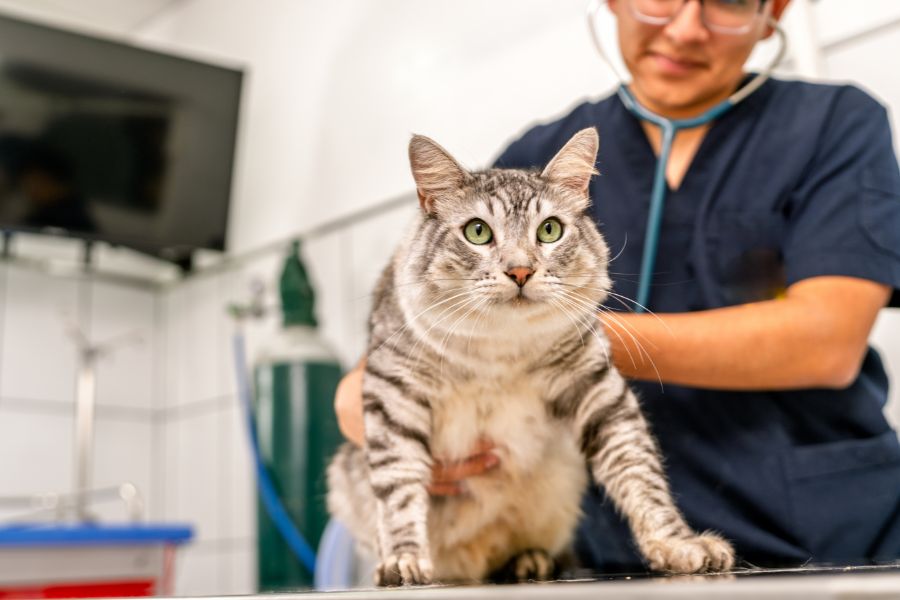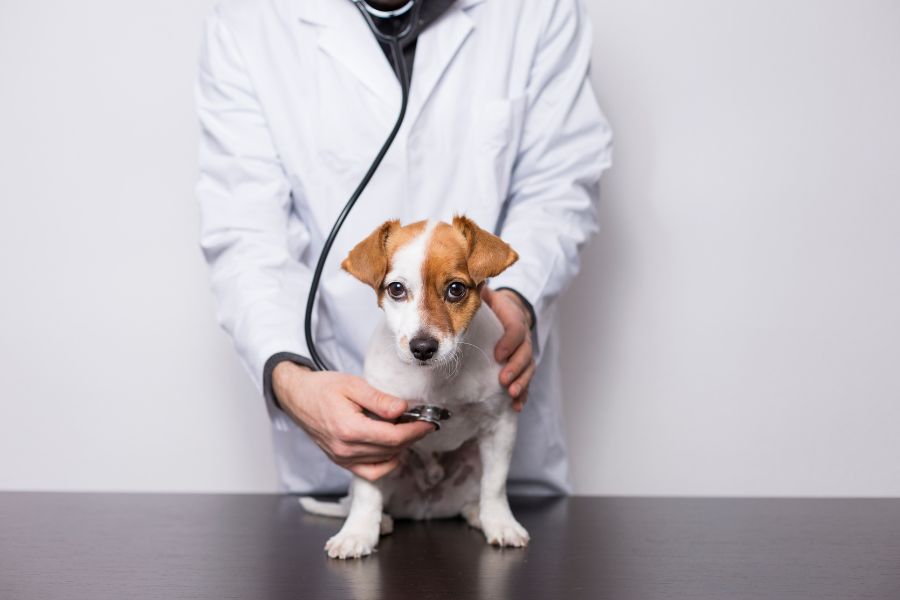




Watching your beloved companion enter their golden years brings both joy and concern for pet owners. As dogs and cats reach their seventh birthday, their bodies undergo subtle changes that aren’t always visible on the surface. Understanding senior pet bloodwork becomes essential for maintaining their health and catching potential issues before they become serious problems.
Regular blood tests after age seven help veterinarians monitor your pet’s internal health, revealing changes in organ function, metabolism, and immune system response. These insights allow you to make informed decisions about nutrition, exercise, and preventive care that can significantly extend your pet’s quality of life.
Understanding Senior Pet Blood Tests:
What Makes Senior Bloodwork Different
Senior pets require more comprehensive blood panels than younger animals because age-related changes affect multiple organ systems simultaneously. Your veterinarian typically recommends baseline testing at age seven, followed by annual or bi-annual screenings depending on your pet’s health status.
These tests evaluate complete blood count (CBC), chemistry panels, thyroid function, and sometimes additional markers for specific concerns. The results provide a snapshot of your pet’s internal health that physical examinations alone cannot reveal.
Key Components of Senior Blood Panels
A standard senior blood panel examines several critical areas:
- Red and white blood cells: Checking for anemia, infection, or immune system issues
• Liver enzymes: Monitoring liver function and detecting early disease
• Kidney values: Assessing filtration ability and waste removal
• Glucose levels: Screening for diabetes or metabolic disorders
• Protein levels: Evaluating nutrition and organ function
• Electrolytes: Ensuring proper hydration and cellular function
Normal Age-Related Changes in Bloodwork:
Kidney Function Indicators
As pets age, kidney efficiency naturally decreases, even in healthy animals. You might notice slightly elevated BUN (blood urea nitrogen) or creatinine levels compared to younger years. These mild increases don’t always indicate disease but rather reflect the normal aging process.
However, significant elevations or rapid changes warrant closer monitoring and possible dietary adjustments. Early detection through regular bloodwork allows veterinarians to implement kidney-supportive strategies before clinical signs appear.
Liver Enzyme Fluctuations
Liver values in senior pets often show minor elevations that remain stable over time. ALT, AST, and ALP enzymes may increase slightly due to age-related changes in liver metabolism or benign nodular hyperplasia common in older dogs.
These changes typically don’t require treatment unless accompanied by clinical symptoms or progressive increases. Your veterinarian will compare results over time to distinguish normal aging from developing disease.
Thyroid Hormone Changes
Thyroid function commonly shifts in senior pets, with hypothyroidism affecting many older dogs and hyperthyroidism frequently diagnosed in senior cats. Regular screening helps identify these conditions early when treatment is most effective.
Red Flags vs. Normal Variations:
When to Be Concerned
While some bloodwork changes are expected with age, certain findings require immediate attention:
- Dramatic increases in any value between tests
• Multiple organ systems showing abnormalities simultaneously
• Anemia that develops suddenly or worsens rapidly
• Glucose levels consistently above the normal range
• Severe protein loss through the kidneys or intestines
These patterns suggest active disease processes rather than normal aging and warrant prompt investigation and treatment.
Understanding Reference Ranges
Laboratory reference ranges represent average values for healthy adult animals, but don’t always account for age-related variations. Your veterinarian interprets results within the context of your pet’s age, breed, and medical history.
Tracking trends over time proves more valuable than single test results. Gradual changes within normal limits often precede clinical disease by months or years.
Optimizing Your Senior Pet’s Health:
Preventive Strategies Based on Bloodwork
Blood test results guide personalized health plans for senior pets. Dietary modifications, supplement recommendations, and medication adjustments all depend on specific findings from routine screening.
For example, pets with early kidney changes benefit from reduced phosphorus diets, while those with liver concerns might need antioxidant support. These targeted interventions slow disease progression and maintain quality of life.
Monitoring Frequency Recommendations
Most veterinarians recommend annual bloodwork for healthy senior pets aged 7-10 years, increasing to twice yearly after age 10 or for pets with chronic conditions. More frequent monitoring helps catch changes quickly and adjust treatment plans accordingly.
Consider keeping a health journal documenting bloodwork trends, medications, and clinical observations. This information proves invaluable during veterinary visits and emergency situations.
Understanding your senior pet’s bloodwork empowers you to make informed decisions about their healthcare as they age. While some changes after age seven are perfectly normal, regular monitoring helps distinguish expected aging from developing disease.
Partner with your veterinarian to establish a bloodwork schedule that fits your pet’s individual needs and health status. Early detection through routine senior pet bloodwork remains your best tool for ensuring many more happy, healthy years together.
Conveniently located in Leesburg, VA, if you are searching for a veterinarian near me who offers nutritional counseling, then North Oatlands Animal Hospital is the ideal choice for your pet. Their dedicated team provides personalized diet planning services to support your pet’s long-term health and well-being.
Frequently Asked Questions:
Q1: How often should my senior pet have bloodwork done?
Ans: Healthy senior pets should have bloodwork annually starting at age seven, increasing to bi-annual testing after age ten. Pets with chronic conditions may need quarterly monitoring depending on their specific health needs.
Q2: Are slight elevations in kidney values always serious?
Ans: Minor kidney value elevations are common in healthy senior pets and don’t necessarily indicate disease. Your veterinarian evaluates trends over time and considers clinical symptoms before recommending treatment or dietary changes.
Q3: Can bloodwork detect cancer in senior pets?
Ans: While routine bloodwork cannot definitively diagnose cancer, it can reveal abnormalities suggesting further investigation is needed. Unexplained anemia, elevated calcium, or abnormal protein levels may prompt additional testing for cancer screening.
Q4: Why does my senior cat need thyroid testing specifically?
Ans: Hyperthyroidism affects approximately 10% of cats over age ten, making thyroid screening essential for senior felines. Early detection allows for effective treatment before secondary complications like heart disease or kidney damage develop.
Q5: Should I fast my pet before senior bloodwork?
Ans: Most veterinarians recommend a 12-hour fast before bloodwork to ensure accurate glucose and lipid measurements. Water should always remain available, and diabetic pets may have special fasting instructions from their veterinarian.
Q6: What if my pet’s bloodwork shows multiple abnormalities?
Ans: Multiple abnormalities require careful interpretation as some changes may be secondary to others. Your veterinarian will prioritize findings, recommend additional diagnostics if needed, and develop a comprehensive treatment plan addressing the most significant concerns first.