

Gentle Surgical Care Supporting Healthier Dog Lives
Surgery for dogs can feel overwhelming for any pet parent, yet modern veterinary procedures offer safer outcomes and faster healing than ever before. Careful preparation, detailed exams, and attentive monitoring all work together to protect comfort and well-being. Dogs needing surgical treatment often return to normal routines quickly when procedures are planned thoughtfully, and recovery guidance is closely followed at home.
At North Oatlands Animal Hospital & Reproduction Center, our dog surgery in Leesburg focuses on safety, comfort, and clear communication so families understand each step before, during, and after a procedure.
Advanced Techniques Promoting Safer Surgical Outcomes
Modern veterinary medicine emphasizes gentle methods that reduce stress on the body. Careful monitoring during procedures helps maintain stable breathing, heart rate, and temperature. Attention to detail lowers risks and supports smooth healing.
Benefits of modern surgical care include:
- Smaller incisions when possible
- Reduced bleeding during procedures
- Faster healing times
- Lower discomfort afterward
- Shorter recovery periods
Our exceptional dog surgery in Leesburg provides attentive surgical support, often helping pets regain energy and appetite sooner and return to normal routines quicker.
Surgical Care Services We Provide for Dogs
- Knee Cap Dislocation
We evaluate knee cap dislocation to determine the impact on joint stability, alignment, and mobility. Treatment focuses on restoring proper positioning and reducing discomfort. When surgery is recommended, we stabilize the joint carefully so your dog can move comfortably again and return to normal activity with improved confidence and strength.
- FHO Surgery
We perform FHO surgery to relieve hip pain and improve mobility when joint damage affects comfort. By removing the affected joint portion, we allow a functional false joint to develop naturally. With proper recovery care and gradual exercise, many dogs regain comfortable movement and resume daily activities successfully.
- Hip Dysplasia
We assess hip dysplasia through exams and imaging to understand joint function and discomfort levels. Treatment plans may include supportive therapies or surgical correction when needed. Our goal is to improve mobility, reduce strain, and help your dog stay active, comfortable, and able to move with ease.
- Soft Tissue Surgery
We provide soft-tissue surgery to address concerns involving the skin, muscles, or internal structures. Procedures may involve growth removal, wound repair, or correction of underlying issues. Careful preparation, attentive monitoring, and guided recovery support healing while helping your dog return safely to normal routines.
- Spay & Neuter
We perform spay and neuter procedures with careful monitoring and gentle surgical methods to support safety and comfort. These procedures help prevent certain health conditions and may encourage calmer behavior. Aftercare guidance ensures smooth healing so your dog can return to daily life feeling well and active.
Careful Planning Creates Smoother Procedure
Preparation plays a major role in successful outcomes. Pre-surgical evaluations help identify underlying conditions that might affect healing or comfort. Bloodwork, physical exams, and history reviews allow veterinary teams to tailor anesthesia and treatment plans appropriately.
Families receive instructions before surgery, which may include fasting guidelines, medication adjustments, or arrival timing. Following these steps helps procedures proceed safely and efficiently.
What Happens on Surgery Day Visits
Arrival appointments typically begin with a brief check-in and final review of instructions. Monitoring equipment tracks vital signs throughout the procedure. Dedicated supervision helps maintain stability from start to finish.
- Steps commonly involved:
- Pre-procedure assessment
- Gentle sedation and preparation
- Continuous monitoring
- Procedure completion
- Recovery observation
Most dogs rest comfortably after surgery and return home the same day, unless additional observation is needed.
Comfort-Focused Recovery for Healing Pets
Recovery support continues well after a procedure ends. Clear home-care instructions help families manage healing confidently. Recommendations may include rest, medication schedules, feeding adjustments, or activity limits.
Helpful recovery tips often include:
- Providing a quiet resting space
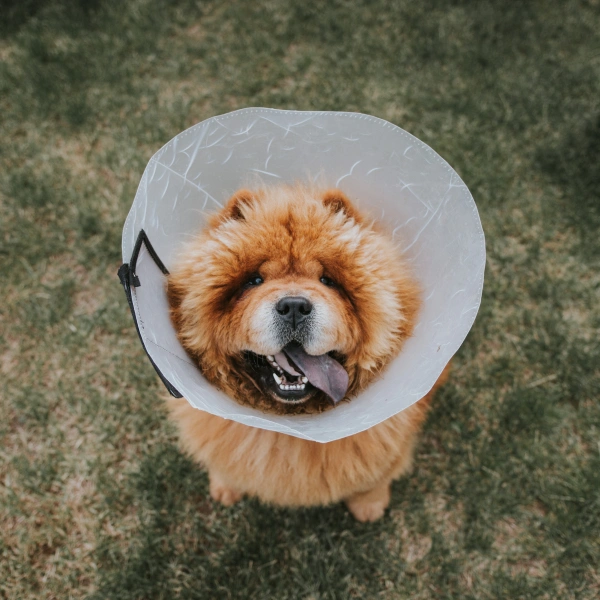
- Preventing licking of incision areas
- Limiting running or jumping temporarily
- Monitoring appetite and behavior
Close observation allows early detection of concerns so adjustments can be made quickly if needed.
Modern Monitoring Keeps Pets Stable Throughout
Careful supervision during surgery protects safety and supports positive outcomes. Monitoring tools track breathing, pulse, oxygen levels, and temperature. Veterinary teams continuously monitor readings and respond immediately to changes. Stable monitoring enables precise surgery for dogs while prioritizing comfort and recovery efficiency.
Lifestyle Factors Influencing Surgical Recommendations
Daily habits, activity level, and environment all influence treatment planning. Active outdoor dogs may face different risks than pets who spend most of their time indoors. Age also affects healing speed, with younger dogs often recovering faster than seniors.
Sharing details about routines, diet, and behavior helps veterinary teams design plans suited to real life rather than generic guidelines.
Signs Surgery Might Be Recommended Soon
Certain symptoms suggest evaluation may be necessary. Early attention often prevents complications and allows simpler treatment.
Watch for warning signs such as:
- Persistent limping or swelling
- Unusual lumps or growths
- Difficulty eating or chewing
- Sudden behavior changes
- Ongoing discomfort
Safety Protocols Protect Pets During Procedures
Strict cleanliness standards, sterile instruments, and careful preparation reduce infection risks. Surgical areas are prepared thoroughly before procedures begin. Staff members follow detailed protocols designed to maintain hygienic conditions and protect healing tissues.
Strong safety practices support smoother recoveries and fewer complications, giving families peace of mind throughout treatment.
Healing Progress Depends on Aftercare Consistency
Home care strongly influences recovery speed. Following medication schedules, limiting activity, and checking incision sites daily all help healing progress smoothly. Consistency prevents irritation and reduces the risk of reopening wounds.
Families receive clear instructions tailored to each procedure, so they feel confident in supporting recovery.
Give Your Companion the Care They Need
Strong health allows dogs to enjoy playtime, walks, and companionship without limitation. Timely surgical treatment can relieve discomfort, correct problems, and prevent future complications. Book an appointment today with our veterinarian to discuss your dog's surgical needs, receive appropriate care, and gain clear guidance to protect long-term wellness.