

At North Oatlands Animal Hospital, we are dedicated to providing exceptional veterinary care that promotes the health and well-being of your cherished pets.
In this informative article, we’ll delve into a common orthopedic issue that can affect your furry friend – patellar luxation, or kneecap dislocation.
Join us as we explore the causes, symptoms, diagnosis, and treatment options for this condition, and discover how our experienced team can help your pet regain mobility and comfort.
Understanding Patellar Luxation
Patellar luxation is a condition where the kneecap, or patella, slips out of its normal groove in the thigh bone (femur). This displacement can be temporary or chronic and is categorized by grades based on severity.
While it can occur in both cats and dogs, it is more commonly seen in smaller dog breeds. Patellar luxation can lead to pain, limping, and difficulty walking, impacting your pet’s overall quality of life.
Recognizing the Symptoms
Awareness of the following symptoms can aid in early detection of patellar luxation:
- Intermittent lameness: Your pet might exhibit limping or favoring a leg, which can resolve on its own.
- Sudden leg lift: Pets with patellar luxation may suddenly lift their leg off the ground while walking or running.
- Skipping steps: You may notice your pet skipping steps or hopping like a rabbit.
- Pain and discomfort: Your furry friend may show signs of pain when the affected leg is touched or manipulated.
- Decreased activity: Reluctance to engage in physical activities or a decrease in playtime may indicate discomfort.
Diagnosis and Treatment
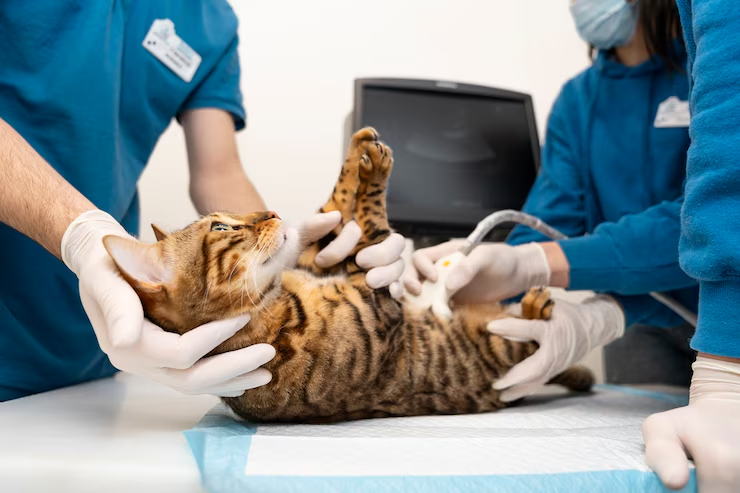
If you suspect your pet is experiencing patellar luxation, it’s essential to consult with a veterinary professional, such as those at North Oatlands Animal Hospital. Our skilled veterinarians will conduct a thorough examination, which may include palpation, X-rays, and other imaging techniques to determine the grade and extent of the condition.
Treatment options may include:
- Conservative management: For less severe cases, weight management, exercise modification, and physical therapy may be recommended.
- Medications: Pain relievers and anti-inflammatory medications can provide relief from discomfort.
- Surgical intervention: In more severe or chronic cases, surgical correction may be necessary to realign the patella and stabilize the joint.
- Rehabilitation: Post-surgery, physical therapy, and rehabilitation exercises can aid in the recovery process.
A Compassionate Approach
At North Oatlands Animal Hospital, we understand the impact that patellar luxation can have on your pet’s mobility and overall well-being. Our dedicated veterinary team is committed to providing personalized care that addresses your pet’s unique needs, whether through non-invasive management or surgical intervention.
The Bottom Line
If you suspect your pet may be suffering from patellar luxation or if you have concerns about their joint health, don’t hesitate to reach out to us at North Oatlands Animal Hospital.
Our compassionate veterinarians are here to provide expert guidance, diagnostics, and treatment options that will help your furry companion regain comfort, mobility, and a vibrant quality of life. Contact us today to schedule a consultation and take the first step towards a healthier, happier pet.