


For dog breeders and dedicated pet parents, protecting reproductive health is about far more than successful litters; it’s about safeguarding the long-term well-being of every dog involved. Breeding programs carry responsibility, and one overlooked health issue can quietly disrupt years of careful planning. In Leesburg, VA, responsible breeders often work closely with trusted animal hospitals and animal clinics to ensure their dogs are healthy before, during, and after breeding. This topic matters because some reproductive diseases do not show obvious signs until real damage is done. They can affect fertility, cause pregnancy loss, and even pose risks to humans. Understanding why veterinary reproductive care matters helps pet owners make confident, informed decisions while working alongside a qualified veterinary hospital like North Oatlands Animal Hospital that prioritizes preventive care and ethical breeding practices.
What This Means for Your Pet’s Health
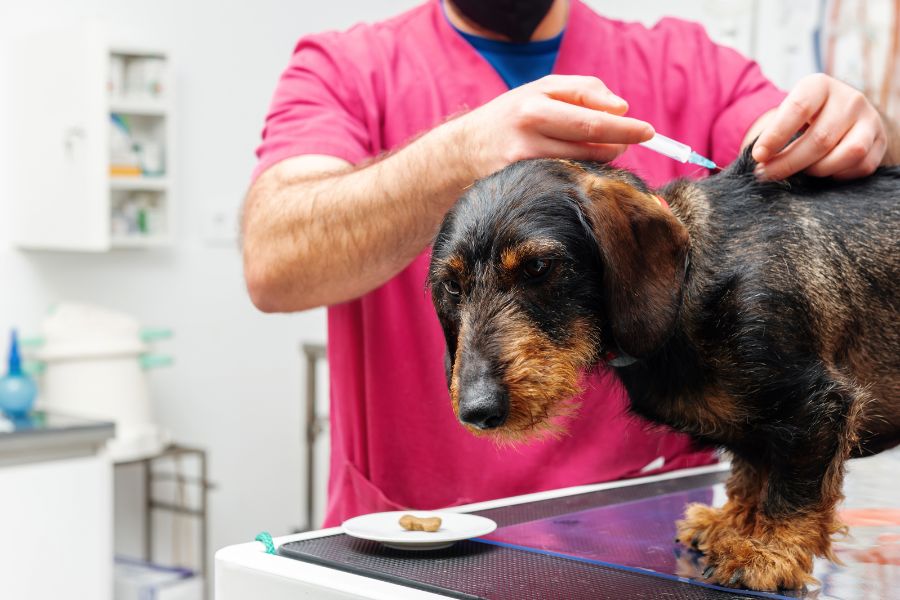
Brucellosis is a contagious bacterial disease that directly impacts a dog’s reproductive system. It can cause infertility in both males and females, late-term pregnancy loss, and chronic discomfort that often goes unnoticed. What makes it especially concerning is how easily it spreads through breeding contact, bodily fluids, or even shared environments.
For breeders and pet owners searching for a “vet near me” in areas like Ashburn, Purcellville, and Leesburg, canine brucellosis screening is an essential step in responsible reproductive care. Early identification allows veterinarians to protect not only the affected dog but also other pets within a breeding program or household. From a health perspective, timely testing reduces suffering, prevents long-term complications, and supports safer breeding outcomes under professional veterinary supervision.
Key Benefits for Pet Owners
Proactive testing offers peace of mind and tangible benefits for breeders and pet families alike:
- Disease prevention: Identifies infections before they spread to other dogs
- Improved breeding outcomes: Supports healthier pregnancies and viable litters
- Human safety: Reduces the risk of zoonotic transmission to owners and handlers
- Long-term wellness: Helps dogs avoid chronic reproductive and systemic issues
- Ethical breeding confidence: Reinforces responsible, transparent breeding practices
Local animal clinics play a key role by offering accurate diagnostics and personalized guidance tailored to each dog’s breeding goals.
Practical Tips You Can Use at Home
While professional veterinary care is essential, pet owners can also support reproductive health at home:
- Keep breeding dogs separated until health clearances are complete
- Maintain clean, sanitized living and whelping environments
- Monitor for subtle signs such as lethargy, discharge, or breeding difficulties
- Avoid introducing untested dogs into breeding spaces
- Schedule routine wellness visits at a trusted veterinary hospital
If anything seems unusual, prompt evaluation by an experienced veterinary team can make all the difference.
How Our Veterinary Team Supports the Community
At North Oatlands Animal Hospital, reproductive care is approached with precision, compassion, and community responsibility. Our experienced veterinarians collaborate with breeders, pet owners, and fellow animal hospitals to provide reliable diagnostics and tailored reproductive services. From consultations to advanced testing, our team focuses on protecting both pets and people through evidence-based care.
By offering reproductive services for pets like canine Brucellosis Testing as part of a comprehensive reproductive health program, we help ensure safer breeding decisions and healthier outcomes for dogs throughout the region. This level of care reflects our commitment to personalized service and long-term trust within the local pet-owning community.
Responsible breeding begins with informed prevention. Understanding reproductive diseases, seeking early testing, and partnering with knowledgeable veterinary professionals empowers pet owners to protect their dogs’ futures. With guidance from experienced animal clinics near you and proactive health planning, breeders can move forward confidently and ethically.
If you’re planning to breed or want to learn more about reproductive safety, book an appointment today to speak with a trusted veterinary team. For pet families in Leesburg and nearby areas like Ashburn and Purcellville, expert guidance and compassionate care are always within reach at North Oatlands Animal Hospital.
FAQs
Q1. How often should breeding dogs be tested?
Ans: Breeding dogs should be tested before each breeding cycle or whenever a new partner is introduced, ensuring continued safety and health.
Q2: Can brucellosis be cured in dogs?
Ans: Treatment options are limited and may not fully eliminate the infection, which is why prevention and early detection are so important.
Q3: Is this disease dangerous for people?
Ans: Yes, it can be transmitted to humans in rare cases, making veterinary oversight and proper hygiene critical for breeders and handlers.
Q4: What symptoms might indicate a dog should be tested for brucellosis?
Ans: Many dogs show no obvious symptoms, but signs can include infertility, pregnancy loss, swollen lymph nodes, lethargy, or reproductive discharge. Testing is recommended even in the absence of symptoms for breeding dogs.
Q5: Can non-breeding dogs be affected by brucellosis?
Ans: Yes, while the disease is most commonly identified through breeding-related issues, non-breeding dogs can still become infected through contact with bodily fluids or contaminated environments.