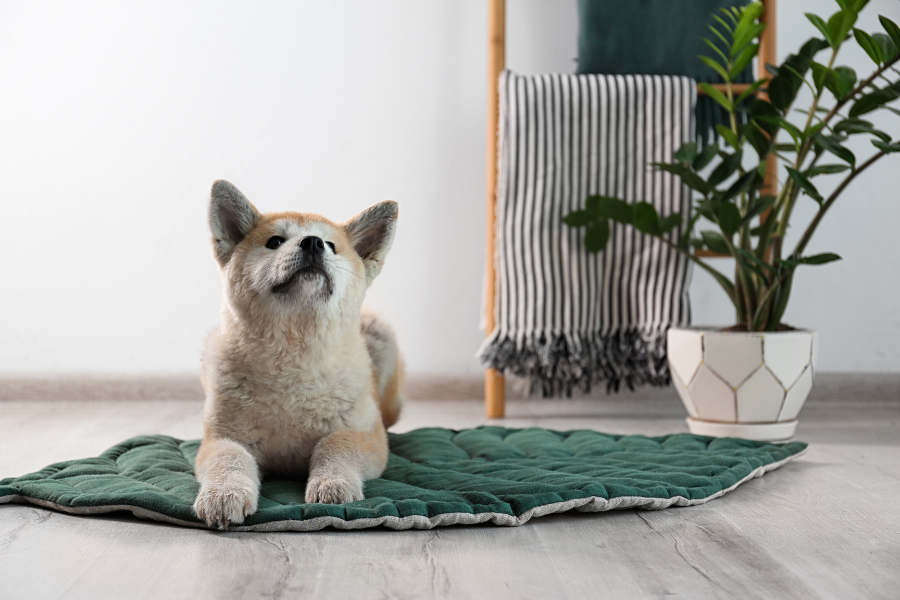




Puppy vaginitis is a relatively common condition seen in young female dogs, especially before their first heat cycle. While the symptoms may look concerning to pet owners, the condition is usually mild and manageable with proper veterinary care. Early diagnosis helps rule out infections or underlying health issues.
In this guide, we explain how veterinarians diagnose puppy vaginitis, including physical examinations and tests performed at a pet diagnostic lab. Understanding the diagnostic process can help dog owners feel more confident when seeking care for their puppies.
What Is Puppy Vaginitis?
Puppy vaginitis is inflammation of the vaginal area in young female dogs that have not yet reached sexual maturity. It typically occurs between 6 weeks and 8 months of age.
This condition often develops because the puppy’s immune and reproductive systems are still maturing. In many cases, it resolves on its own after the puppy experiences her first heat cycle.
Common Signs of Puppy Vaginitis
Pet owners may notice the following symptoms:
- Mild vaginal discharge, often white or yellow
- Frequent licking of the vulva
- Slight redness or irritation
- A small amount of discharge on bedding or fur
- Occasional mild urinary irritation
Although these symptoms can be mild, a veterinarian should still examine the puppy to rule out infections or urinary tract problems.
Why Proper Diagnosis Is Important?
Even though puppy vaginitis is often mild, it can resemble other conditions that require treatment.
A proper veterinary diagnosis helps rule out issues such as:
- Urinary tract infections
- Congenital abnormalities
- Foreign objects
- Skin infections
- Hormonal problems
Veterinarians rely on a combination of physical exams and laboratory tests performed in a pet diagnostic lab to make an accurate diagnosis.
Initial Veterinary Examination
The diagnostic process usually begins with a thorough physical examination.
During the exam, the veterinarian will:
- Review the puppy’s medical history
- Ask about symptoms such as discharge, licking, or odor
- Check the external genital area
- Look for swelling, redness, or irritation
- Assess the puppy’s overall health
The vet may also ask questions such as:
- When did the symptoms begin?
- Has the discharge changed in color or amount?
- Has the puppy had urinary accidents?
- Has the puppy been exposed to irritants like cleaning chemicals?
These details help guide the next steps in diagnosis.
Vaginal Cytology Test
One of the most common tests used to diagnose puppy vaginitis is vaginal cytology.
This test involves collecting a small sample of cells from the vaginal area using a sterile swab. The sample is then examined under a microscope.
What the Test Reveals
Vaginal cytology can help veterinarians identify:
- Presence of bacteria
- Type of inflammatory cells
- Signs of infection
- Abnormal cell changes
The test is quick, minimally invasive, and provides valuable diagnostic information.
Urinalysis in a Pet Diagnostic Lab
A urinalysis is another important test when diagnosing puppy vaginitis, especially if urinary symptoms are present.
The urine sample is analyzed in a pet diagnostic lab to check for:
- Bacteria
- White blood cells
- Blood in urine
- Urine concentration
- Signs of urinary tract infection
Because urinary infections can cause symptoms similar to vaginal inflammation, this test helps veterinarians rule out other conditions.
Bacterial Culture and Sensitivity Testing
If the veterinarian suspects a bacterial infection, they may recommend a culture and sensitivity test performed in a pet diagnostic lab.
How the Test Works
- A sample from the vaginal discharge is collected.
- The sample is sent to the lab.
- Technicians grow bacteria from the sample.
- Different antibiotics are tested to see which works best.
This test helps determine:
- The exact bacteria causing the infection
- Which antibiotic treatment will be most effective
Culture testing is especially useful if symptoms persist or worsen.
Imaging Tests When Needed
In some cases, additional diagnostic tools may be required if the veterinarian suspects an underlying issue.
These tests may include:
Ultrasound
An ultrasound can help detect:
- Congenital abnormalities
- Fluid buildup
- Internal reproductive issues
X-rays
X-rays may be used to check for:
- Foreign objects
- Structural abnormalities
- Bladder stones
These imaging tests are usually recommended only when the symptoms are unusual or severe.
Checking for Underlying Health Factors
Sometimes puppy vaginitis can be influenced by other health factors.
Veterinarians may evaluate the puppy for:
- Immune system health
- Hormonal development
- Skin infections
- Digestive issues
- Poor hygiene around the genital area
Addressing these factors can help prevent the condition from recurring.
What Happens After Diagnosis?
Once the veterinarian confirms puppy vaginitis, treatment depends on the severity of the symptoms.
In many cases, treatment is simple and may include:
- Gentle cleaning of the vulva area
- Monitor the puppy until the first heat cycle
- Short course of antibiotics if infection is present
- Improving hygiene and grooming
Most puppies recover quickly and do not experience long-term health problems.
When Pet Owners Should See a Veterinarian?
While mild cases can resolve naturally, certain symptoms require prompt veterinary care.
Contact a veterinarian if your puppy shows:
- Strong or foul-smelling discharge
- Blood in discharge
- Excessive swelling
- Fever or lethargy
- Frequent urination or accidents
- Symptoms lasting longer than a few weeks
Early evaluation and testing through a pet diagnostic lab ensures accurate diagnosis and effective treatment. Diagnosing puppy vaginitis involves a careful combination of physical exams and laboratory testing. Veterinarians rely on tools such as vaginal cytology, urinalysis, bacterial culture, and sometimes imaging to confirm the condition and rule out other health concerns.
If you notice symptoms in your puppy, a professional evaluation can provide peace of mind and proper care. The veterinary team at North Oatlands Animal Hospital in Leesburg, VA, can perform thorough exams and advanced testing through a trusted pet diagnostic lab to help keep your puppy healthy. Furthermore, if your pet is experiencing any health issues in the surrounding areas of Leesburg, then North Oatlands Animal Hospital is also proudly serving the surrounding areas of Leesburg, like Waterford, Hamilton, Aldie, Purcellville, and Ashburn. Contact today to schedule an appointment and ensure your pet receives expert care.
FAQs
Q1: What causes puppy vaginitis in young dogs?
Ans: Puppy vaginitis is usually caused by immature reproductive tissues, mild bacterial imbalance, or irritation around the vulva in young female puppies.
Q2: Does puppy vaginitis go away on its own?
Ans: Yes, many cases resolve naturally after the puppy experiences her first heat cycle, although a veterinarian should confirm the diagnosis.
Q3: What tests are used to diagnose puppy vaginitis?
Ans: Veterinarians commonly use vaginal cytology, urinalysis, and bacterial cultures performed in a pet diagnostic lab to confirm the condition.
Q4: Is puppy vaginitis painful for puppies?
Ans: Most cases are mild and cause only slight irritation or discharge, but severe infections can cause discomfort.
Q5: When should I take my puppy to the vet for vaginal discharge?
Ans: If the discharge is persistent, foul-smelling, bloody, or accompanied by other symptoms like lethargy or frequent urination, a veterinary exam is recommended.