


Pets can suffer from a wide range of health issues, from mild infections to chronic conditions that require long-term care. Understanding how veterinarians treat common pet diseases can help pet owners respond quickly and provide the best support for their animals. Professional veterinarians use advanced diagnostics, preventive care, medications, and surgical treatments to manage many pet health problems.
In this guide, we explain how veterinarians diagnose and treat common diseases in dogs and cats. You will also learn about preventive steps, early warning signs, and why routine veterinary care is essential for keeping pets healthy and happy.
What Do Veterinarians Do When a Pet Gets Sick?
When a pet shows signs of illness, veterinarians follow a structured approach to identify and treat the condition. Their goal is to relieve symptoms, treat the root cause, and prevent complications.
The process usually includes:
- Physical Examination
- Diagnostic Testing
- Treatment Plan
- Monitoring and Follow-Up Care
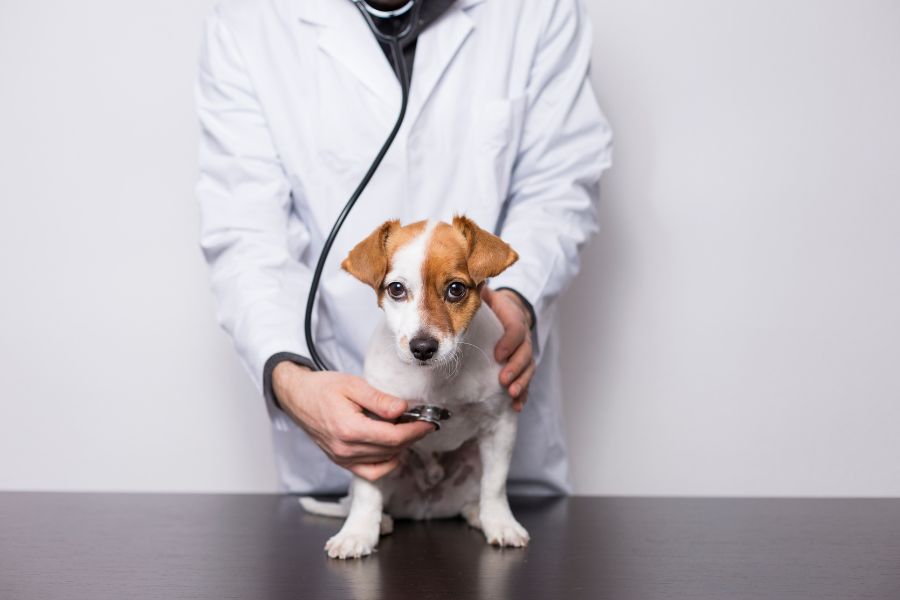
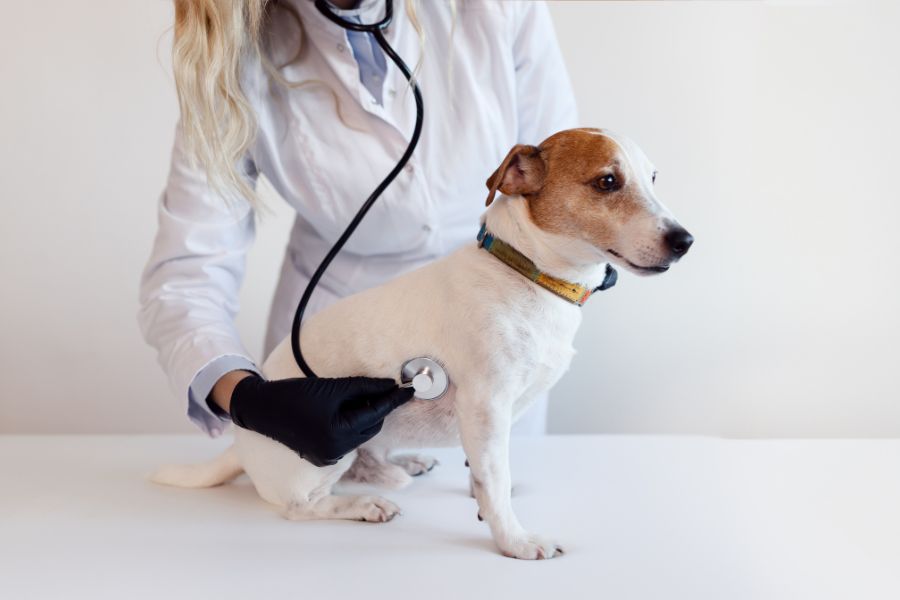
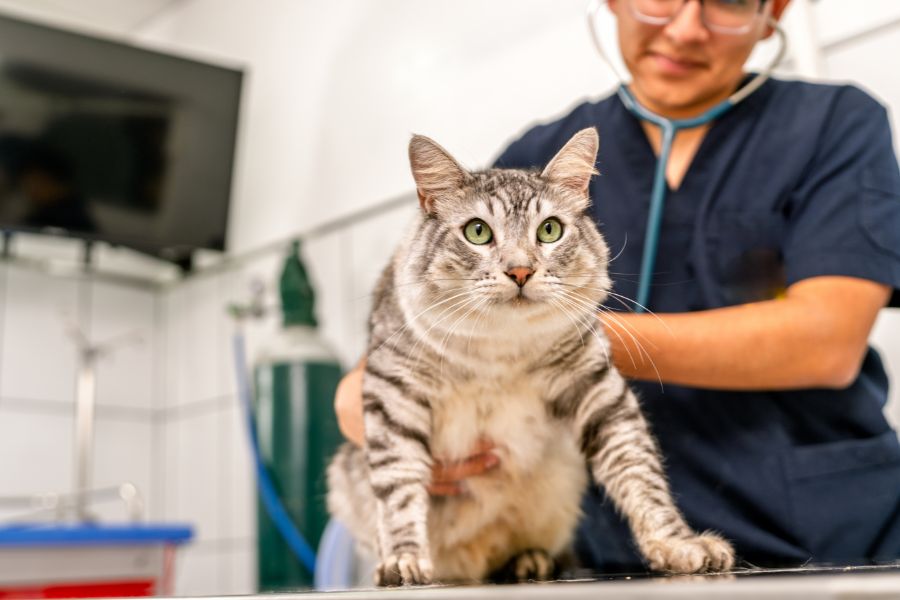
During the exam, veterinarians check vital signs, body condition, skin, ears, eyes, teeth, and overall behavior. They also ask pet owners about recent changes in appetite, activity, or behavior.
If needed, diagnostic tools may include:
- Blood tests
- Urine analysis
- X-rays
- Ultrasound imaging
- Skin or tissue samples
These tests help veterinarians identify infections, organ problems, parasites, or chronic diseases.
Common Pet Diseases Veterinarians Treat
Pets can develop many types of illnesses during their lifetime. Some conditions are minor and easy to treat, while others require ongoing medical care.
Below are several common diseases that veterinarians frequently diagnose and manage.
1. Skin Allergies and Infections
Skin issues are one of the most common reasons pet owners visit veterinarians. Dogs and cats can develop allergies due to food, fleas, pollen, or environmental triggers.
Symptoms may include:
- Excessive scratching or licking
- Red or inflamed skin
- Hair loss
- Ear infections
- Skin sores or hot spots
Veterinarians often treat skin allergies using:
- Prescription antihistamines
- Anti-inflammatory medications
- Medicated shampoos
- Flea and parasite control
- Special veterinary diets
In severe cases, allergy testing may be recommended to identify triggers.
2. Ear Infections
Ear infections are especially common in dogs with floppy ears or pets that swim frequently. Bacteria, yeast, or allergies often cause these infections.
Signs of ear infection include:
- Head shaking
- Ear scratching
- Odor from the ears
- Redness or swelling
- Discharge in the ear canal
Veterinarians treat ear infections by cleaning the ear canal and prescribing medicated ear drops or oral antibiotics. Treating the underlying cause is also important to prevent recurring infections.
3. Gastrointestinal Problems
Digestive issues are another common concern. Pets may experience vomiting, diarrhea, or stomach pain due to diet changes, infections, parasites, or food intolerance.
Veterinarians often treat digestive problems with:
- Temporary fasting
- Prescription gastrointestinal diets
- Anti-nausea medication
- Probiotics
- Deworming treatments
In more serious cases, diagnostic tests such as blood work or imaging may be required to rule out blockages or internal disease.
4. Dental Disease
Dental problems affect a large percentage of adult pets. Without proper dental care, plaque buildup can lead to gum disease, tooth infections, and pain.
Common symptoms include:
- Bad breath
- Red or bleeding gums
- Difficulty eating
- Loose or damaged teeth
Veterinarians treat dental disease through:
- Professional dental cleanings
- Tooth extractions when necessary
- Antibiotics for infection
- Preventive dental care recommendations
Routine dental exams help prevent severe oral health problems.
5. Parasites (Fleas, Ticks, and Worms)
Parasites are a common health threat for pets and can cause serious illness if untreated.
Examples include:
- Fleas
- Ticks
- Heartworms
- Roundworms
- Hookworms
Veterinarians diagnose parasites through physical exams and laboratory testing. Treatment typically includes:
- Prescription parasite prevention
- Deworming medications
- Topical or oral flea and tick treatments
- Heartworm prevention programs
Preventive parasite control is one of the most important steps in maintaining pet health.
6. Respiratory Infections
Respiratory illnesses can affect both dogs and cats. These infections may be caused by viruses, bacteria, or environmental irritants.
Common symptoms include:
- Sneezing
- Coughing
- Nasal discharge
- Fever
- Reduced appetite
Veterinarians may treat respiratory infections using:
- Antibiotics (if bacterial)
- Anti-inflammatory medications
- Supportive care, such as fluids and rest
Pet vaccinations can help protect pets from certain respiratory diseases.
How Veterinarians Diagnose Pet Diseases
Accurate diagnosis is critical for effective treatment. Veterinarians use a combination of clinical knowledge and advanced technology to evaluate pet health.
Common diagnostic tools include:
Blood Tests
Blood tests can detect infections, organ problems, anemia, diabetes, and other conditions.
Imaging Technology
X-rays and ultrasound allow veterinarians to examine bones, organs, and internal structures.
Laboratory Testing
Urine tests, fecal exams, and tissue samples help identify parasites, infections, or underlying diseases.
These diagnostic methods allow veterinarians to create targeted treatment plans for each pet.
Treatment Options Veterinarians Use
Veterinary medicine has advanced significantly in recent years. Today, veterinarians have many treatment options available depending on the disease and severity.
Common treatments include:
Medications
Prescription medications help treat infections, inflammation, allergies, and chronic conditions.
Surgery
Some conditions, such as tumors, injuries, or blockages, require surgical treatment.
Nutritional Therapy
Special diets can help manage conditions like kidney disease, food allergies, or digestive disorders.
Preventive Care
Vaccinations, parasite prevention, and routine wellness exams help reduce the risk of disease.
Veterinarians carefully monitor treatment progress and adjust care plans when necessary.
The Importance of Early Detection
Early detection plays a major role in successful treatment. Many pet diseases become easier to manage when diagnosed early.
Pet owners should watch for warning signs such as:
- Sudden behavior changes
- Loss of appetite
- Lethargy
- Vomiting or diarrhea
- Weight loss
- Persistent scratching or coughing
Scheduling regular wellness visits allows veterinarians to identify potential health problems before they become serious.
Preventing Common Pet Diseases
Prevention is always better than treatment. Veterinarians recommend several proactive steps to keep pets healthy.
Key preventive measures include:
- Annual or biannual veterinary checkups
- Routine vaccinations
- Parasite prevention programs
- Balanced nutrition
- Regular exercise
- Dental care
- Grooming and skin care
By following these preventive steps, pet owners can significantly reduce the risk of common illnesses.
Understanding how veterinarians treat common pet diseases helps pet owners make informed decisions about their animal’s health. From diagnosing infections to managing chronic conditions, veterinary professionals use modern tools and medical expertise to provide effective care.
Early detection, routine wellness visits, and preventive treatments play a major role in keeping pets healthy throughout their lives. If your pet shows signs of illness or needs routine care, scheduling a visit with North Oatlands Animal Hospital in Leesburg, VA, and in surrounding locations like Waterford, Hamilton, Aldie, Purcellville, and Ashburn can help ensure your pet receives the professional care they deserve.
FAQs
Q1: What are the most common diseases veterinarians treat in pets?
Ans: Veterinarians commonly treat skin allergies, ear infections, digestive problems, dental disease, parasites, and respiratory infections in dogs and cats.
Q2: How do veterinarians diagnose illnesses in pets?
Ans: Veterinarians diagnose illnesses through physical exams, blood tests, imaging scans, urine analysis, and laboratory testing to identify the root cause of symptoms.
Q3: When should I take my pet to a veterinarian?
Ans: You should visit a veterinarian if your pet shows symptoms like vomiting, loss of appetite, coughing, unusual behavior, or signs of pain.
Q4: Can common pet diseases be prevented?
Ans: Many pet diseases can be prevented through vaccinations, parasite control, balanced nutrition, regular exercise, and routine veterinary checkups.
Q5: Why are routine veterinary visits important?
Ans: Routine visits help veterinarians detect health problems early, provide preventive care, and monitor your pet’s overall well-being.