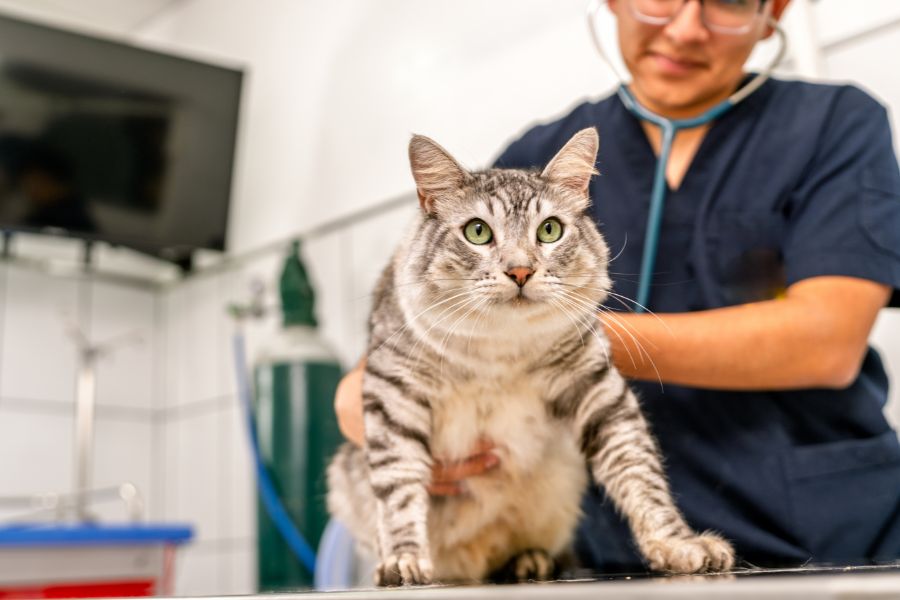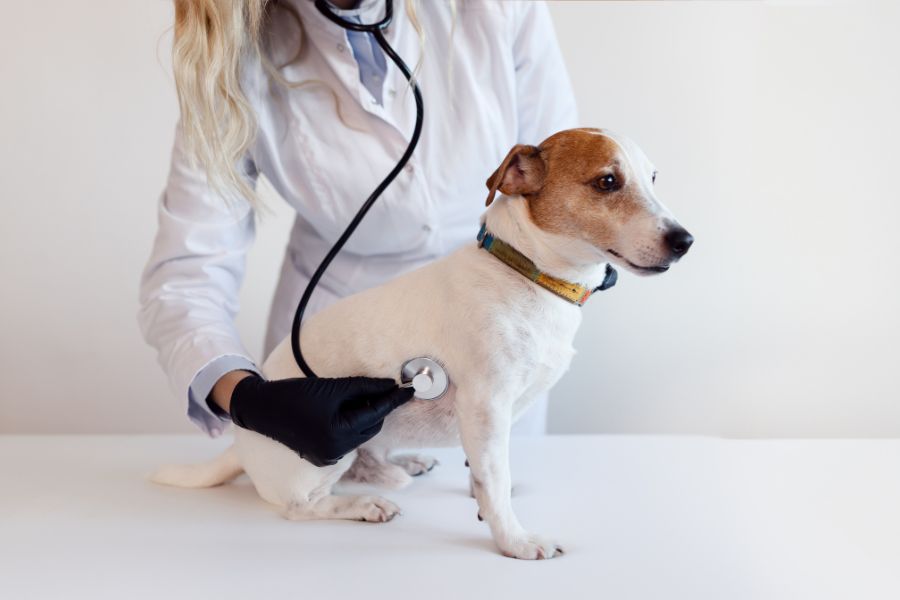




Bringing home a new pet is exciting, but one of the first responsibilities for any pet owner is finding the right vet. A trusted veterinarian plays a major role in keeping your pet healthy through routine checkups, vaccinations, and preventive care.
In this guide, you will learn how to choose the right veterinary clinic near you, what qualities to look for in a vet, and how to ensure your pet receives the best medical care from day one. These tips will help new pet owners make confident decisions and build a long-term relationship with a reliable veterinary team.
Why Choosing the Right Vet Near You Matters for Your Pet
A veterinarian is more than someone you visit during emergencies. The right veterinarian near you becomes a long-term partner in your pet’s health and well-being.
From early vaccinations to senior care, a veterinary professional monitors your pet’s growth, identifies potential health issues early, and guides nutrition, behavior, and preventive treatments.
Choosing the right clinic offers several benefits:
- Early detection of health problems
- Consistent medical history tracking
- Professional advice on diet and exercise
- Emergency support when needed
- Preventive care that reduces long-term costs
When you find a vet you trust, routine visits become easier and less stressful for both you and your pet.
Start by Asking for Recommendations
One of the easiest ways to find a reliable vet is through recommendations from people you trust.
You can start by asking:
- Friends or family members who own pets
- Local pet owners in your neighborhood
- Groomers or pet trainers
- Animal shelters or rescue organizations
These sources often provide honest feedback based on real experiences. Pay attention to comments about staff friendliness, cleanliness, and how well the veterinarian explains treatment options.
Online reviews can also help, but personal recommendations usually give deeper insight.
Check the Vet’s Qualifications and Experience
Not all veterinary clinics offer the same level of expertise. When evaluating a vet, take time to review their credentials and experience.
Important things to check include:
- Veterinary degree and professional licensing
- Years of experience treating pets
- Areas of interest such as surgery, dermatology, or dental care
- Continuing education or certifications
Experience with your specific type of pet is also important. Some vets work mostly with dogs and cats, while others may have more knowledge about small animals, birds, or exotic pets.
Pet owners in Leesburg, Waterford, Hamilton, Aldie, Purcellville, and Ashburn can benefit from a knowledgeable veterinarian who can provide accurate diagnoses and proper treatment plans for their pet.
Visit the Veterinary Clinic in Person
Before choosing a vet, consider visiting the clinic for a quick tour. This helps you see the environment where your pet will receive care.
During your visit, look for these signs of a well-run clinic:
- Clean waiting and treatment areas
- Friendly and attentive staff
- Organized medical records system
- Comfortable space for pets and owners
- Proper equipment for diagnostics and surgery
Observe how staff members interact with animals. A compassionate team that treats pets gently often reflects a positive clinic culture.
If the clinic feels welcoming and organized, it is usually a good sign.
Evaluate the Services Offered
A good veterinary clinic should provide a wide range of services to meet your pet’s needs throughout their life.
Common services include:
Preventive Care
Routine checkups help detect early signs of illness.
Preventive care usually includes:
- Wellness exams
- Vaccinations
- Parasite prevention
- Nutritional counseling
Diagnostic Services
Modern clinics have a quality pet diagnostic lab to identify health problems quickly.
Examples include:
- Blood tests
- X-rays
- Ultrasound
- Lab testing
Surgical Procedures
Some clinics provide advanced medical care, including surgery and dental treatments.
This may include:
- Spay and neuter procedures
- Dental cleanings
- Soft tissue surgery
Choosing a vet that offers comprehensive care can reduce the need to visit multiple facilities.
Consider Location and Clinic Hours
Convenience plays an important role when selecting a vet. If the clinic is far away or difficult to access, regular visits may become stressful.
Look for a veterinary clinic that:
- Is close to your home or workplace
- Offers flexible appointment times
- Provides emergency services or after-hours support
Pets sometimes need urgent care, so easy access to your veterinarian can make a big difference during stressful situations.
Ask About Communication and Pet Care Philosophy
Communication between pet owners and veterinarians is essential for effective treatment.
A good vet should:
- Clearly explain diagnoses and treatment options
- Answer questions patiently
- Offer preventive care advice
- Respect your concerns and preferences
Some veterinary clinics emphasize preventive medicine, while others may focus heavily on treatment after illness occurs. Understanding the clinic’s approach helps you decide whether it aligns with your expectations for your pet’s care.
Compare Costs and Payment Options
Veterinary care costs can vary between clinics, so it is reasonable to ask about pricing before committing to a vet.
Many clinics are happy to discuss:
- Cost estimates for routine exams
- Vaccination packages
- Preventive care plans
- Payment options
Affordable care is important, but remember that the cheapest option may not always provide the best medical support. Focus on value, quality of care, and transparency.
Pet insurance is another option many owners consider to help manage long-term healthcare costs.
Schedule a First Wellness Visit
Once you narrow down your options, schedule your pet’s first wellness appointment.
This visit allows you to:
- Meet the veterinarian
- Ask questions about pet care
- Discuss diet and lifestyle
- Start your pet’s medical record
During the visit, observe how the vet interacts with your pet. A calm, patient approach helps animals feel more comfortable and builds trust over time.
If you leave the appointment feeling confident and informed, you likely found the right veterinary partner.
Signs You Found the Right Vet
Choosing a veterinarian is an important decision. The right clinic will make you feel comfortable and confident about your pet’s care.
You likely found the right vet if:
- The staff treats your pet gently
- The veterinarian explains things clearly
- Appointments feel organized and professional
- Your pet seems calm during visits
- You trust the medical advice you receive
Building a relationship with a reliable veterinary team supports your pet’s health for many years.
Finding the right vet is one of the most important steps after bringing home a new pet. A trustworthy veterinarian helps protect your pet’s health through routine exams, preventive care, and early detection of medical issues. By researching clinics, checking qualifications, visiting facilities, and evaluating communication, pet owners can confidently choose the right veterinary partner.
Finding a trusted veterinarian near you for your dog or cat doesn’t have to be overwhelming. If you are looking for compassionate and professional veterinary care near you, the team at North Oatlands Animal Hospital, is dedicated to supporting pets and their families with high-quality medical services. Call today to schedule your pet’s first wellness visit and start building a lifetime of healthy care.
FAQs
Q1: How do I find a good vet near me?
Ans: Start by asking friends, pet owners, and local shelters for recommendations. Online reviews and clinic visits can also help you choose a reliable vet.
Q2: When should I take my new pet to the vet for the first time?
Ans: Most veterinarians recommend scheduling your pet’s first visit within the first week after bringing them home.
Q3: How often should pets visit the vet?
Ans: Healthy adult pets typically need a veterinary checkup once a year, while puppies, kittens, and senior pets may require more frequent visits.
Q4: What should I bring to my pet’s first vet appointment?
Ans: Bring any adoption records, vaccination history, previous medical records, and a list of questions about your pet’s health and care.
Q5: Can I switch vets if I am not satisfied with my current clinic?
Ans: Yes, pet owners can change veterinarians at any time if they feel their pet would receive better care elsewhere.