


A Smarter, Gentler Way to Perform Surgery
When your pet needs surgery, every detail matters, how precise the procedure is, how much discomfort they experience, and how quickly they recover. At North Oatlands Animal Hospital & Reproduction Center in Leesburg, VA, we use surgical laser technology to make procedures safer, cleaner, and more comfortable for your pet from the first incision to the last day of recovery.
What is Surgical Laser?
A surgical laser uses a focused beam of light energy to cut through tissue with exceptional precision. Instead of a traditional scalpel blade, the laser acts as the cutting tool, and it does so while simultaneously sealing blood vessels and nerve endings as it works. The result is a procedure that's cleaner, less bloody, and significantly less painful than conventional surgery, for a wide range of routine and complex procedures.
What Procedures Can be Done With a Surgical Laser?
Surgical lasers are versatile and can be used across many types of veterinary procedures, including:
- Soft tissue surgeries — tumor and mass removals, skin tag and cyst removal
- Spay and neuter procedures — cleaner incisions with reduced bleeding and faster healing
- Oral surgery — gum tissue procedures, oral mass removals
- Eyelid and eye surgeries — highly precise work in sensitive areas
- Ear and nasal procedures — removal of polyps, masses, or obstructions
- Dermatology procedures — treatment of skin lesions, warts, and growths
Benefits of Surgical Laser

Less Pain During and After Surgery
The laser seals nerve endings as it cuts, which means your pet feels significantly less pain both during the procedure and in the days following. Many pets require less pain medication after laser surgery than they would after a conventional procedure.
Minimal Bleeding
Because the laser cauterizes blood vessels as it works, there's far less bleeding during surgery. This gives your veterinarian a clearer view of the surgical site and reduces the risks that come with blood loss.
Lower Risk of Infection
The laser's heat energy sterilizes the tissue as it cuts, which dramatically reduces the chance of bacteria entering the surgical site. This means a lower risk of post-operative infection and a smoother recovery overall.
Reduced Swelling
Less tissue trauma means less inflammation after surgery. Your pet is likely to feel more comfortable sooner and experience less swelling at the incision site.
Faster Recovery
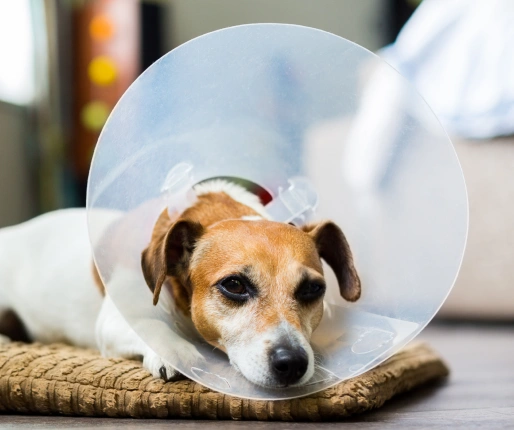
With less pain, less bleeding, and less swelling, pets treated with surgical laser technology tend to heal faster and return to their normal routine sooner than pets who undergo traditional surgery.
Precision Where It Counts
The laser allows your veterinarian to work with a level of accuracy that's difficult to achieve with a scalpel, especially in delicate areas like the eyes, ears, or mouth. Healthy surrounding tissue is preserved, and only the targeted area is affected.
How is Surgical Laser Different From Cold Laser Therapy?
These are two very different tools, even though both involve laser technology.
Surgical laser is used to cut, remove, or reshape tissue during a procedure. It replaces or works alongside traditional surgical instruments. On the other hand, cold laser therapy uses low-level light to stimulate healing and reduce pain in tissue, it doesn't cut or remove anything.
In some cases, we may use cold laser therapy after a surgical laser procedure to support healing and reduce post-operative discomfort. Your veterinarian will explain which tools are right for your pet's situation.