


Most pet owners know they should take their dog or cat to the vet when something seems wrong. But what about when everything seems fine? That question is exactly where a lot of well-meaning pet owners get tripped up. A wellness exam and a sick visit serve very different purposes, and understanding the distinction could make a real difference in your pet’s long-term health. At North Oatlands Animal Hospital in Leesburg, VA, we see both types of appointments every day, and we want you to feel confident knowing which one your pet needs and why skipping either one is never the best call.
What Is a Wellness Exam and What Does It Actually Cover?
A wellness exam, sometimes called an annual pet checkup or a routine vet exam, is a scheduled visit for a pet who appears healthy. The goal is not to treat a problem. The goal is to catch problems before they become serious, and to confirm that your pet’s body is doing what it should be doing at their current age and life stage.
During a typical veterinary wellness visit, your vet will:
- Check your pet’s weight and body condition score
- Examine the eyes, ears, teeth, and gums
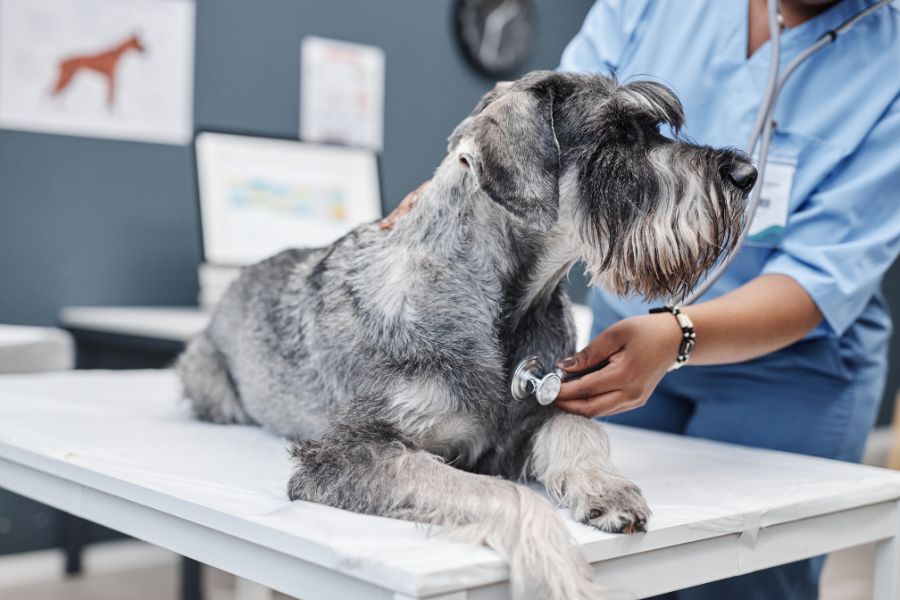
- Listen to the heart and lungs
- Palpate the abdomen for unusual lumps, organ size, or tenderness
- Assess skin and coat health
- Review and update vaccinations as needed
- Recommend parasite prevention based on your pet’s lifestyle
- Discuss nutrition, behavior, and any age-related concerns
For many pets, this is also when bloodwork or a urinalysis gets recommended. Baseline lab values are especially useful because they give your vet something to compare against later if your pet does get sick. A number that looks “normal” in isolation can mean something very different when it has shifted significantly from your pet’s personal baseline.
Wellness exams are typically recommended once a year for adult pets and twice a year for seniors. Puppies and kittens follow a more frequent schedule early in life due to vaccination series and rapid developmental changes.
What Is a Sick Visit and When Do You Need One?
A sick visit is an appointment made because your pet is showing signs that something is off. It is reactive by nature, which is exactly why it requires a different kind of focus than a wellness exam.
Common reasons pet owners schedule a sick visit include:
- Vomiting or diarrhea that persists beyond 24 hours
- Sudden changes in appetite or water intake
- Lethargy or unusual behavior
- Limping, pain, or difficulty moving
- Coughing, sneezing, or labored breathing
- Skin irritation, hot spots, or unexplained hair loss
- Eye or nasal discharge
- Straining to urinate or defecate
During a sick visit, your vet focuses specifically on the issue at hand. That means a more targeted physical exam, possible diagnostic testing such as bloodwork, X-rays, or urinalysis, and a treatment plan based on findings. The appointment is built around solving a specific problem rather than reviewing overall health.
Here is something worth knowing: a sick visit is not a substitute for preventive pet care, and a wellness exam is not the right setting for addressing an active illness. They serve separate functions, and your pet deserves both.
How Preventive Pet Care Fits Into the Bigger Picture?
Think of preventive pet care the same way you think about your own annual physical. You do not skip it just because you feel fine. You go because staying ahead of potential issues is far less stressful and usually far less expensive than managing a health crisis.
The same logic applies to your pet, with one important difference: animals are biologically wired to hide pain and discomfort. By the time a cat is visibly sick, the problem has often been developing quietly for weeks or months. Dogs are slightly more expressive, but they still compensate for discomfort in ways that make it easy to miss.
A pet health screening during a wellness exam can reveal:
- Early kidney or liver changes are detectable in bloodwork before symptoms appear
- Heart murmurs that need monitoring
- Dental disease affects more than just the teeth
- Weight trends that predict future joint or metabolic problems
- Lumps or masses that are far easier to address when found early
This is where routine vet exams earn their value. Not because something is wrong, but because your vet now has the information to act quickly if something changes.
What to Expect During Each Type of Visit at Our Clinic?
Knowing what happens at each appointment helps you prepare, which visits go more smoothly for everyone, especially your pet.
At a wellness exam, plan for a thorough head-to-tail physical, a review of your pet’s history and lifestyle, and a conversation about anything you have noticed at home, even things that seem minor. Bring a list of questions if you have them. This is your dedicated time to talk about nutrition, behavior, weight management, dental care, or anything else on your mind. If your pet is due for vaccines or a fecal test, those happen here, too.
At a sick visit, come prepared to describe the symptoms clearly. When did they start? Has anything changed at home, in your pet’s diet, or in their routine? Have they had access to anything unusual? The more specific you can be, the faster your vet can narrow things down. If your pet vomited, for example, describing the frequency, color, and whether food or foreign material was present gives your vet a meaningful head start.
Both types of visits are important, and neither should feel rushed or confusing. A good veterinary team will walk you through findings and explain what comes next in plain language.
Why Pet Owners in Leesburg Trust Routine Vet Exams to Catch What They Can Not See?
Here is a real scenario that plays out more often than most pet owners realize. A dog comes in for what the owner describes as “just acting a little off lately.” Nothing dramatic. No vomiting, no limping, no obvious injury. During the exam, the vet notices mild muscle wasting and a subtle change in coat texture. Bloodwork reveals early hypothyroidism. Caught at this stage, the condition is straightforward to manage with daily medication. Left undetected for another year, the dog would likely have gained significant weight, become lethargic, and developed secondary skin and coat problems that would take much longer to resolve.
That story is not unusual. It is one of the main reasons why taking your pet to the vet is a question worth asking proactively, not just reactively.
The difference between a wellness visit and a sick visit is not just about what your pet is experiencing right now. It is about the relationship your vet builds with your pet over time. When your veterinarian knows what your pet looks like at their healthiest, they are far better equipped to recognize when something is wrong, even before it becomes obvious to you.
How to Know If Your Pet Needs a Wellness Exam, a Sick Visit, or Both
Use this as a quick guide:
Schedule a wellness exam if:
- Your pet is due for their annual or biannual checkup
- It has been more than 12 months since their last full physical
- Your pet is a senior (7 years or older for most dogs, 10 years or older for cats) and has not been seen in 6 months
- You want updated bloodwork or parasite screening
- Your puppy or kitten needs vaccines or a developmental check
Schedule a sick visit if:
- Your pet is showing any signs of illness, pain, or behavioral change
- Something seems off, even if you cannot put your finger on it
- Your pet had a possible exposure to a toxin or foreign object
- A known health condition seems to be changing or worsening
You may need both if:
- Your pet is due for a wellness exam, but also has an active concern
- In this case, let the front desk know when you call so your vet can plan enough time to address both properly
Conclusion
Preventive care and reactive care are two sides of the same commitment to your pet’s health. A wellness exam gives your vet the information and baseline they need to advocate for your pet over a lifetime. A sick visit gives your pet the focused attention they need when something goes wrong. Neither replaces the other, and both are part of what responsible, loving pet ownership looks like in practice. If you are looking for a reliable vet near you, then North Oatlands Animal Hospital is here for both, whether you are coming in for a routine vet exam or bringing in a pet who just is not themselves today. Give us a call to schedule your pet’s next appointment, and let us help you stay a step ahead.
Frequently Asked Questions
Q1: What is a wellness exam for a pet?
Ans: A wellness exam is a routine checkup for a pet that appears healthy. It includes a full physical evaluation, review of vaccines and parasite prevention, and often baseline bloodwork or screening tests. The goal is to catch health issues early and keep your pet on track as they age.
Q2: How is a sick visit different from an annual pet checkup?
Ans: An annual pet checkup is proactive and covers your pet’s overall health status, even when nothing seems wrong. A sick visit is reactive and focused on diagnosing and treating a specific symptom or concern. Both are important, but they serve different purposes and should not be used interchangeably.
Q3: How often should my pet have a wellness exam?
Ans: Most adult dogs and cats benefit from a veterinary wellness visit once a year. Senior pets (generally 7 years and older) often do better with twice-yearly exams because age-related changes can progress quickly. Puppies and kittens need more frequent visits early on due to vaccination schedules.
Q4: Can I combine a wellness exam and a sick visit into one appointment?
Ans: Yes, but it is best to mention both needs when you call to book. Addressing active health concerns alongside a full wellness exam requires more time, and your vet will want to plan accordingly so neither part of the visit feels rushed.
Q5: When should I take my pet to the vet for a sick visit instead of waiting?
Ans: Do not wait if your pet is vomiting repeatedly, not eating for more than 24 hours, straining to urinate, having trouble breathing, or acting unusually lethargic or painful. When in doubt, call your vet. It is always better to check and find nothing serious than to wait and have a manageable issue turn into an emergency.