



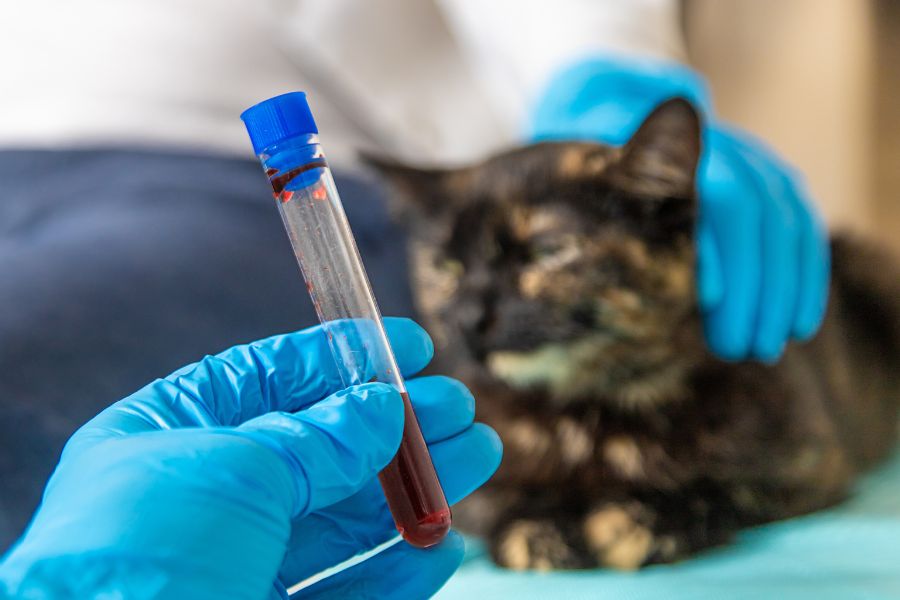
Most pet owners know the basics: annual vaccines, flea prevention, and a yearly checkup. But there is one part of that wellness visit that often goes underappreciated, the blood panel. If your veterinarian has ever recommended routine pet blood work and you found yourself wondering whether it was really necessary, you are not alone. The truth is, a blood panel is one of the most powerful tools available for protecting your pet’s long-term health, often catching problems months or even years before any symptoms appear. At North Oatlands Animal Hospital in Leesburg, VA, we use annual blood panels as a cornerstone of preventive care because what we find in that small vial of blood can change everything.
What Is a Blood Panel and Why Does It Matter?
A blood panel (also called a complete blood count or CBC, combined with a chemistry profile) is a laboratory test that analyzes your pet’s blood to evaluate the function of major organ systems and detect abnormalities in blood cells. Think of it as a full-system status report for your pet’s body.
The test typically measures:
- Red and white blood cell counts — to assess immune function and detect anemia or infection
- Platelet levels — which affect how well your pet’s blood clots
- Liver and kidney values — including enzymes and waste markers that signal organ stress
- Blood glucose — a key indicator for diabetes
- Protein levels — which can reflect hydration, nutrition, and organ health
- Thyroid function (often added for senior pets)
For your vet, these numbers paint a detailed picture of what is happening inside your pet’s body, even when your pet looks and acts perfectly fine on the outside.
The Hidden Power of Early Disease Detection in Pets
Here is something that surprises many pet owners: by the time a cat or dog shows outward signs of illness, the disease has often already progressed significantly. Kidney disease is a perfect example. Pets can lose up to 75% of kidney function before clinical signs like increased thirst or weight loss ever appear. A blood panel, however, can detect rising kidney values much earlier when lifestyle changes and medical management are still highly effective.
The same principle applies to:
- Liver disease — elevated liver enzymes on routine pet blood work can flag early inflammation or damage, long before jaundice or vomiting occurs
- Diabetes — a single elevated blood glucose reading prompts further testing that can catch the disease in its early stages
- Thyroid disorders — common in older cats, hypothyroidism in dogs, and hyperthyroidism in cats respond much better to treatment when caught early
- Anemia and infections — white and red blood cell counts reveal immune challenges your pet cannot communicate to you in words
Early detection is not just better medicine. It is also more affordable. Treating a condition in its early stages almost always costs less and causes less stress for your pet than managing an advanced disease.
What to Expect During a Blood Panel at Our Clinic?
The process is straightforward and quick. During your pet’s annual wellness exam, a veterinary technician will collect a small blood sample, usually from a vein in the leg or neck. Most pets tolerate this very well, and the draw itself takes only a minute or two.
From there, the sample goes to our in-house laboratory or a reference lab, depending on the tests ordered. Results are typically available the same day or within 24 to 48 hours. Your veterinarian will then walk you through the findings, explain any values that fall outside the normal range, and recommend next steps if anything warrants further attention.
A few things to know before your pet’s appointment:
- Fasting may be required. Some panels, particularly those measuring blood glucose or triglycerides, require your pet to fast for 8 to 12 hours beforehand. Your vet will let you know in advance.
- Age matters. Puppies and kittens, adult pets, and seniors each have slightly different reference ranges. Your veterinarian interprets the results with your pet’s age and species in mind.
- Baseline values are gold. The first blood panel your pet receives establishes a personal baseline. Future panels are compared against that baseline, which makes subtle changes much easier to spot.
Signs Your Pet May Need Blood Work Sooner Than Their Annual Visit
While we recommend annual veterinary lab tests for all pets as part of routine care, some situations call for blood work outside of the regular schedule. Consider scheduling a panel sooner if your pet shows any of the following:
- Unexplained weight loss or gain
- Increased thirst or urination
- Lethargy or sudden changes in energy level
- Vomiting or diarrhea lasting more than a day or two
- Changes in appetite, even subtle ones
- Pale gums or unusual bruising
These signs do not automatically mean something serious is wrong. But they are your pet’s way of telling you that something has shifted. A blood panel gives your veterinarian the data needed to figure out what.
Beyond symptoms, blood work is also strongly recommended before any surgical procedure, including routine spays and neuters, to confirm that your pet can safely metabolize anesthesia.
How Often Should Pets Have a Blood Panel?
For most healthy adult dogs and cats, a blood panel once a year aligns with their annual wellness exam. That said, frequency recommendations shift based on your pet’s age and health status.
General guidelines:
- Puppies and kittens — baseline blood work before or around their first spay/neuter
- Adult pets (1 to 6 years) — annually, as part of the routine vet checkup
- Senior pets (7 years and older) — every 6 months is often recommended, since age-related conditions can progress quickly
- Pets on long-term medications — regular blood work to monitor organ function and ensure the medication remains safe
As pets age, the value of routine pet blood work only increases. Senior animals are more susceptible to conditions like kidney disease, hyperthyroidism, and Cushing’s disease, and more frequent monitoring allows for timely adjustments to their care plan.
Conclusion
At North Oatlands Animal Hospital in Leesburg, VA, we believe that the best way to give your pet a long, healthy life is to stay one step ahead of potential health issues, and the annual blood panel through pet diagnostics is one of the most effective tools we have.
If you are looking for a reliable Leesburg veterinary hospital, then our team takes time to explain what your pet’s results mean in plain language, and we never recommend testing without a clear reason behind it. If something in the numbers warrants a closer look, we will talk through the options with you so you can make informed decisions for your pet.
Ready to schedule your pet’s annual wellness exam and blood panel? Give us a call or book online. Your pet cannot tell you when something feels off, but their blood work often can.
Frequently Asked Questions
Q1: What does a blood panel test for in pets?
Ans: A blood panel evaluates your pet’s red and white blood cells, platelets, organ function (liver and kidneys), blood glucose, and protein levels. Depending on your pet’s age, thyroid function may also be included. Together, these results give your veterinarian a comprehensive picture of your pet’s internal health.
Q2: How do I know if my pet needs blood work done?
Ans: All pets benefit from annual pet blood work as part of a routine vet checkup, even when they appear healthy. If your pet is showing signs like weight loss, increased thirst, lethargy, or changes in appetite, blood work should be done sooner rather than waiting for the next scheduled visit.
Q3: How much does a pet blood panel cost?
Ans: Costs vary depending on the panel type and your location, but a standard blood panel for dogs or cats typically ranges from $80 to $200. More comprehensive panels that include thyroid testing or additional organ markers may cost more. Many clinics, including ours, bundle blood work into wellness packages to make it more affordable.
Q4: Can a blood panel detect cancer in pets?
Ans: A routine blood panel cannot diagnose most cancers directly, but it can reveal abnormalities that prompt further investigation, such as abnormal white blood cell counts, anemia, or elevated calcium levels. If blood work raises concern, your veterinarian may recommend additional diagnostics like imaging or a biopsy.
Q5: When should I take my dog or cat to the vet for blood work?
Ans: At a minimum, once a year for healthy adult pets. Senior pets (7 years and older) benefit from blood panels every 6 months. You should also bring your pet in for blood work if they are showing any unusual symptoms, are about to undergo surgery, or have been prescribed long-term medication that requires monitoring.