


As dogs grow older, their bodies change in subtle ways that can be easy to miss. Senior dogs often slow down gradually, sleep more, or lose interest in activities they once loved. While some of these changes are a normal part of aging, others may point to underlying health concerns, especially heart disease.
Heart conditions in older dogs often develop quietly. Many dogs do not show obvious symptoms until the disease has already progressed. For pet parents in Leesburg, this can be worrying, especially when an older dog seems less energetic or starts breathing differently. Understanding how veterinarians monitor heart health can help you make informed decisions and protect your dog’s comfort and quality of life.
This blog explains how electrocardiography (ECG) helps veterinarians detect hidden heart problems in senior dogs, why early diagnosis matters, and how a trusted veterinary hospital near you uses advanced diagnostics to support long-term canine wellness. If you care for an aging dog, learning what happens during an ECG can give you confidence and peace of mind.
Understanding Heart Disease in Senior Dogs
Canine heart disease is more common than many pet owners realize, especially in older dogs. Conditions such as arrhythmias, valve disease, and cardiomyopathy can develop slowly over time. Unfortunately, dogs are very good at hiding discomfort, so the warning signs are often mild or vague.
Some early signs of heart disease in senior dogs may include:
- Decreased stamina or tiring easily
- Coughing, especially at night or after activity
- Changes in breathing rate or effort
- Fainting or weakness
- Reduced appetite or weight loss
- Less interest in walks or play
These symptoms can easily be mistaken for “normal aging.” That is why routine screening and diagnostic testing play such an important role in senior pet care.
What Is an Electrocardiogram (ECG) for Dogs?
An electrocardiogram, commonly called an ECG or EKG, is a test that measures the electrical activity of the heart. Every heartbeat is controlled by electrical signals, and an ECG allows veterinarians to see how well those signals are working.
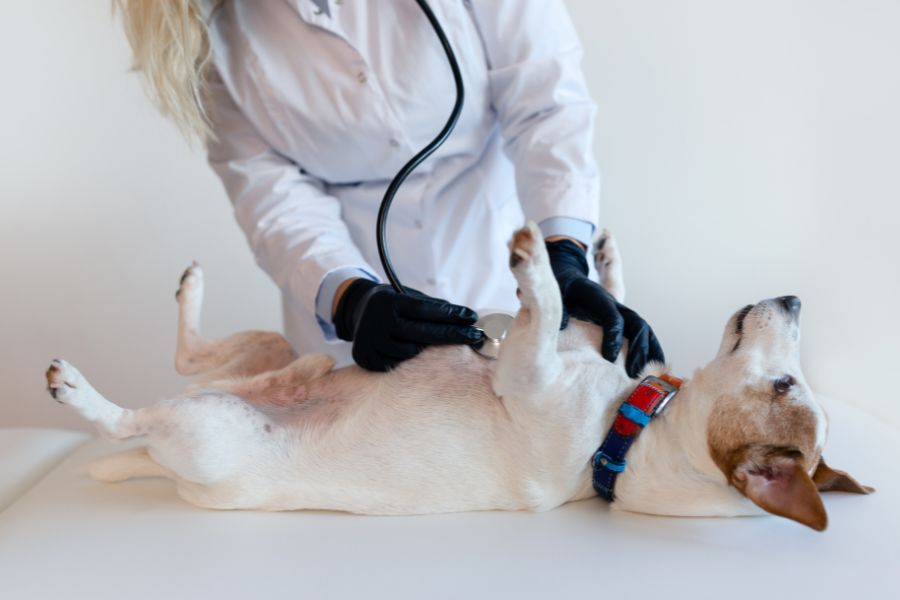
During an ECG, small sensors are gently placed on your dog’s skin. These sensors record the heart’s rhythm and rate. The test is non-invasive, painless, and usually takes only a short amount of time.
ECG testing, as part of a complete cardiac evaluation for senior dogs, it helps veterinarians detect heart rhythm abnormalities that may not be heard during a routine physical exam.
Why ECG Testing Is So Important for Senior Dogs?
As dogs age, their risk of developing heart rhythm problems increases. Some arrhythmias can be harmless, while others may require close monitoring or treatment. Without an ECG, these issues can remain undetected.
ECG testing helps veterinarians:
- Identify abnormal heart rhythms (arrhythmias)
- Evaluate unexplained weakness, collapse, or fainting
- Monitor known heart conditions over time
- Assess heart function before surgery or anesthesia
- Support accurate diagnosis when symptoms are unclear
When used alongside other tools such as X-rays, echocardiograms, and blood tests, ECGs provide a clearer and more complete picture of your dog’s heart health.
The Benefits of Early Cardiac Diagnosis
Early detection of heart disease can make a meaningful difference in a senior dog’s life. When heart conditions are diagnosed early, treatment options are often simpler and more effective.
Benefits of early ECG testing include:
- Better control of symptoms before they worsen
- More personalized treatment plans
- Reduced risk of sudden complications
- Improved comfort and daily function
- Longer, better-quality life for senior dogs
For pet parents searching for a “veterinary hospital near me”, choosing a trusted clinic that offers advanced electrocardiogram services for your senior pet can help ensure proactive care rather than reactive treatment.
What to Expect During Your Dog’s ECG Appointment?
Many pet owners worry that heart testing will be stressful for their older dog. The good news is that ECGs are designed to be gentle and low-stress. During your visit to a hospital, your dog will be handled with patience and care. Most dogs remain calm during the procedure, and sedation is rarely needed. The veterinary team will explain the results in clear, simple terms and discuss whether additional testing or monitoring is recommended. This open communication helps pet owners feel informed and supported throughout the process.
How Pet Owners Can Support Heart Health at Home?
While professional testing is essential, daily observation at home also plays a big role in managing senior dog health. You know your dog best, and small changes can provide valuable information to your veterinarian.
Helpful tips for pet owners include:
- Monitor your dog’s breathing while resting
- Watch for coughing, fatigue, or exercise intolerance
- Maintain a healthy weight with proper nutrition
- Keep routines consistent to reduce stress
- Schedule regular wellness exams for senior pets
Never assume changes are “just old age.” If something feels off, contacting an experienced vet can help ensure concerns are addressed early.
Helping Senior Dogs Live Comfortably
Caring for an older dog means being proactive, observant, and informed. Heart disease may progress quietly, but modern diagnostic tools like electrocardiography make it possible to catch problems early and manage them effectively. With regular monitoring, advanced testing, and compassionate veterinary support, many senior dogs continue to enjoy comfortable, happy lives well into their golden years.
If your dog is showing signs of aging or you want reassurance about their heart health, scheduling a cardiac evaluation is a responsible next step. If you are looking for a reliable “vet near me,” then North Oatlands Animal Hospital, located in Leesburg, is proudly serving pets and families throughout the region. If your senior pets are suddenly suffering from any health issues, then North Oatlands Animal Hospital is also serving proudly in Ashburn, Purcellville, Aldie, Hamilton, Waterford, and Middleburg across Virginia. Contact the team today to discuss heart screening options for your senior dog.
FAQs
Q1: How do I know if my senior dog needs an ECG?
Ans: If your dog shows fatigue, coughing, fainting, breathing changes, or has a heart murmur, your veterinarian may recommend an ECG to better understand heart function.
Q2: Is an ECG safe for older dogs?
Ans: Yes, ECG testing is non-invasive, painless, and very safe for senior dogs when performed at a qualified veterinary hospital.
Q3: Does an ECG diagnose all heart diseases?
Ans: An ECG focuses on heart rhythm and electrical activity. It is often combined with other tests like X-rays or echocardiograms for a complete diagnosis.
Q4: How often should senior dogs have heart screenings?
Ans: This depends on your dog’s age, breed, and health history. Many senior dogs benefit from annual or semi-annual heart evaluations.
Q5: Can heart disease in dogs be managed long-term?
Ans: Yes, with early diagnosis, proper treatment, and regular monitoring, many dogs with heart disease maintain a good quality of life for years.
Q6: What heart care services are commonly recommended for senior dogs?
Ans: Heart care for senior dogs often includes electrocardiograms (ECGs), blood pressure monitoring, chest X-rays, echocardiograms, and regular wellness exams.