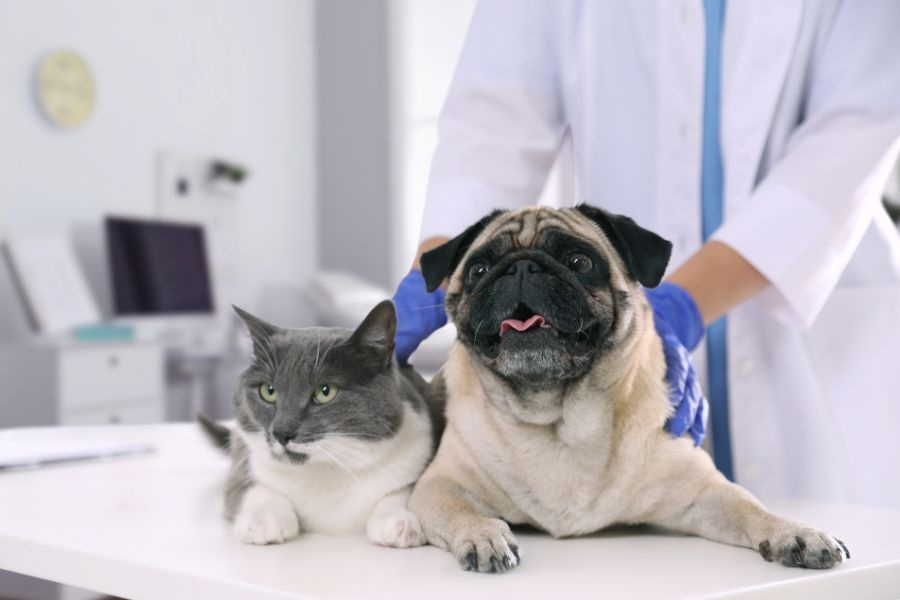




Dogs bring joy, companionship, and energy to our lives, but environmental allergies can make even the happiest pup uncomfortable. In Leesburg, VA, seasonal changes, pollen, dust, and household allergens can trigger reactions that range from mild itching to severe skin irritation. Understanding the types of environmental allergies, their causes, signs, and treatment options is key to keeping your dog healthy and comfortable.
Early detectionby vets helps pet owners recognize allergies before they turn into chronic health issues. This guide will walk you through everything you need to know about environmental allergies in dogs and provide solutions for managing them effectively.
What Are Environmental Allergies in Dogs?
Environmental allergies, also known as atopy, occur when a dog’s immune system overreacts to harmless substances in their surroundings. Common triggers include pollen, dust mites, mold spores, and chemicals found in cleaning products or lawn treatments. Unlike food allergies, which stem from something ingested, environmental allergies are caused by exposure to allergens in the air, surfaces, or your dog’s immediate environment.
Dogs with environmental allergies may experience a wide range of symptoms that can affect the skin, ears, respiratory system, and overall comfort.
Common Causes of Environmental Allergies
Understanding what triggers environmental allergies is the first step in managing your dog’s symptoms. Common causes include:
Pollen
Pollen from trees, grasses, and weeds is one of the most frequent culprits, especially in spring and fall. Dogs may develop itching, red skin, or watery eyes during high pollen seasons.
Dust Mites
Microscopic organisms found in household dust can trigger sneezing, coughing, or skin irritation. Dogs that spend more time indoors may be particularly affected.
Mold
Mold thrives in damp areas, including basements, bathrooms, and outdoor spaces. Exposure can cause chronic skin issues, itching, and respiratory symptoms.
Chemicals and Irritants
Household cleaners, lawn fertilizers, and de-icing salts can irritate sensitive skin, especially in dogs prone to allergies.
Flea Saliva
Flea bites are technically not an environmental allergen, but flea allergy dermatitis is closely linked to environmental exposure, as bites often occur in common areas of your home or yard.
Signs and Symptoms of Environmental Allergies in Dogs
Environmental allergies in dogs often manifest as skin and ear issues, though respiratory and behavioral changes may also appear. Recognizing these signs early is crucial for effective management.
Itching and Scratching
Excessive scratching, biting, or licking of paws, ears, face, and belly is a hallmark of environmental allergies.
Redness and Skin Irritation
Inflamed, red, or scaly skin often develops around the paws, ears, or underarms. Chronic scratching can lead to open sores or secondary infections.
Ear Infections
Dogs with allergies frequently develop recurring ear infections. Signs include head shaking, redness, discharge, and odor.
Respiratory Symptoms
Some dogs may cough, sneeze, or develop watery eyes due to airborne allergens like pollen or dust.
Behavioral Changes
Itchy or uncomfortable dogs may become restless, irritable, or lose interest in normal activities.
Recognizing these symptoms promptly and seeking help from a veterinary hospital near you can prevent more serious complications.
How Environmental Allergies Differ From Food Allergies
While environmental and food allergies can appear similar, there are key differences:
- Environmental Allergies: Typically cause skin irritation, paw licking, ear infections, and respiratory issues. Symptoms may be seasonal or year-round.
- Food Allergies: Often trigger digestive issues such as vomiting, diarrhea, or gas, and may also cause itchy skin.
Correctly identifying the source of your dog’s allergies is essential for effective treatment and long-term comfort.
Diagnosing Environmental Allergies in Dogs
A professional diagnosis is the most reliable way to determine the cause of your dog’s symptoms.
- Detailed Medical History: Discussing your dog’s environment, diet, and symptom patterns.
- Physical Examination: Checking for skin irritation, ear infections, or other visible signs of allergies.
- Allergy Testing: Blood tests or intradermal skin testing can identify specific environmental triggers.
- Elimination Methods: Sometimes, removing certain allergens from your dog’s environment helps confirm the cause.
Early diagnosis allows for targeted treatment, reducing discomfort and preventing chronic issues.
Treatment Options for Environmental Allergies
Treatment plans vary depending on severity, triggers, and your dog’s overall health. Most plans combine medical treatment, preventive care, and environmental management.
Medications
- Antihistamines: Help reduce itching and inflammation.
- Corticosteroids: Short-term relief for severe flare-ups.
- Immunotherapy: Allergy shots or oral drops desensitize your dog to specific allergens over time.
Skin and Ear Care
Regular cleaning with veterinary-approved shampoos and ear cleaners can help remove allergens and prevent infections.
Preventive Measures at Home
- Keep your home clean by vacuuming and dusting regularly.
- Use air purifiers to reduce airborne allergens.
- Limit outdoor exposure during high pollen seasons.
- Wash your dog’s paws and coat after walks to remove pollen or dust.
Flea Control
Consistent flea prevention is critical, as flea saliva can worsen allergic reactions. Ask your veterinarian about topical, oral, or collar-based flea treatments.
Supporting Your Dog’s Comfort Daily
Managing environmental allergies requires attention to both medical care and daily routines. Small changes can make a big difference:
- Monitor Symptoms: Keep a journal of when itching, sneezing, or skin irritation occurs.
- Create a Clean Environment: Regularly wash bedding and toys.
- Use Hypoallergenic Products: Choose gentle shampoos, detergents, and cleaners.
- Schedule Regular Vet Check-Ups: Routine visits allow your veterinarian to catch flare-ups early and adjust treatments.
Through proactive allergy testing and partnership with a veterinary team, dogs can live comfortably even with allergies.
Providing the necessary preventive care
Environmental allergies in dogs are common, but with early recognition, proper veterinary care, and practical home management, they don’t have to impact your dog’s quality of life. Knowing the triggers, identifying symptoms, and working with a trusted veterinary hospital ensures that your dog remains comfortable, healthy, and happy year-round. If you are searching for “vet near me” or “animal hospital near me”, then North Oatlands Animal Hospital provides comprehensive allergy care for dogs. We are also proudly serving in Leesburg’s surrounding places like Ashburn, Purcellville, Aldie, Hamilton, Waterford, and Middleburg across Virginia.
If your dog is showing signs of environmental allergies, contact North Oatlands Animal Hospital today to book an appointment. Together, we can develop a personalized care plan tailored to your dog’s needs, ensuring comfort and wellness every day.
FAQs
1. What are the most common environmental allergens for dogs?
Ans: Pollen, dust mites, mold, and household chemicals are the most frequent triggers of environmental allergies in dogs.
2. How do I know if my dog’s itching is due to allergies?
Ans: Excessive scratching, licking, or chewing, especially around the ears, paws, and belly, often indicates environmental allergies. A veterinary exam confirms the cause.
3. Can environmental allergies cause ear infections in dogs?
Ans: Yes, chronic ear infections are a common sign of environmental allergies and should be evaluated promptly by a veterinary team.
4. How can I reduce my dog’s exposure to allergens at home?
Ans: Vacuuming, dusting, washing bedding, using air purifiers, and limiting outdoor activity during high pollen seasons can help.
5. Are allergy shots effective for dogs with environmental allergies?
Ans: Yes, allergy immunotherapy gradually desensitizes dogs to specific allergens and can provide long-term relief when used under veterinary guidance.