


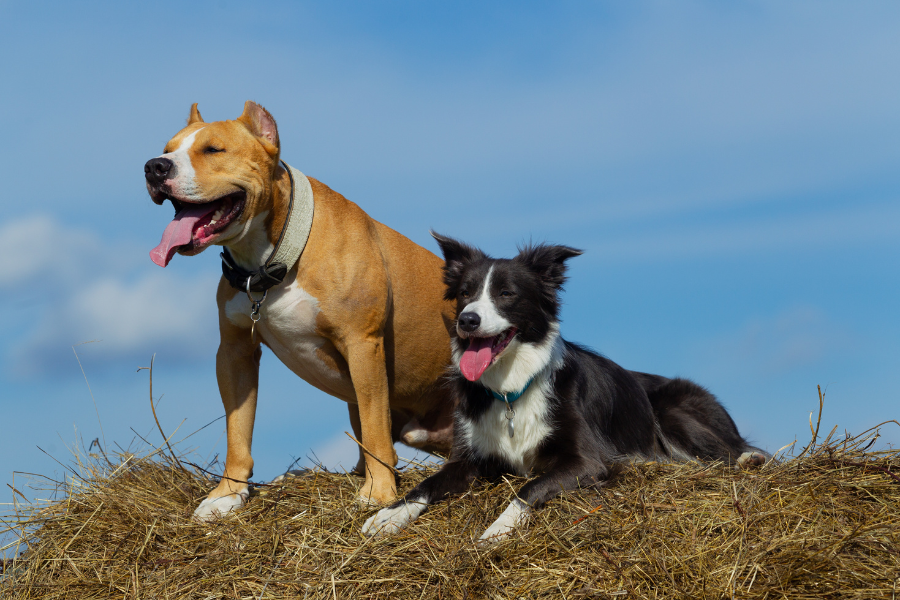
Your dog may seem healthy, active, and happy, but some health problems can develop before you notice anything unusual at home. Routine veterinary visits give your veterinarian an opportunity to look for subtle changes, track your dog’s health over time, and address concerns before they become more difficult to manage. At North Oatlands Animal Hospital in Leesburg, VA, preventive care focuses on understanding your dog’s individual needs rather than waiting for obvious signs of illness. Dog wellness exams are an important part of that approach. A complete visit can include much more than a quick physical check. From dental health and weight to heart function and mobility, these 10 areas can provide valuable information about your dog’s overall well-being.
What Is Included in a Dog Wellness Exam?
A dog wellness exam is a preventive veterinary visit designed to assess your dog’s overall health and identify potential problems early. Depending on your dog’s age, breed, lifestyle, and medical history, a wellness visit may include a physical examination, weight assessment, dental evaluation, nutritional discussion, and recommended screening tests.
The goal is to establish what is normal for your dog and identify changes before they become significant health concerns.
10 Essential Areas of a Dog Wellness Exam
| Exam Area | What the Veterinarian Checks | Why It Matters |
| 1. Complete physical exam | Eyes, ears, skin, coat, body, and vital signs | Helps identify early abnormalities |
| 2. Weight and body condition | Body weight and muscle or fat levels | Helps detect obesity or unexplained weight loss |
| 3. Dental health | Teeth, gums, and mouth | Identifies dental disease and oral discomfort |
| 4. Heart and lungs | Heart sounds and breathing | Can reveal abnormal heart or respiratory signs |
| 5. Skin and coat | Skin, hair, lumps, irritation | Helps identify parasites, infections, or masses |
| 6. Mobility and joints | Movement, posture, and joint comfort | Detects pain and mobility changes |
| 7. Abdomen | Internal organs and abdominal structures | May reveal pain, enlargement, or other abnormalities |
| 8. Eyes and ears | Vision-related and ear abnormalities | Helps identify infections and age-related changes |
| 9. Blood and urine screening | Internal organ and metabolic health | Can detect problems not visible during a physical exam |
| 10. Behavior and lifestyle review | Appetite, energy, habits, and daily routine | Helps identify subtle changes in health |
Not every dog needs every test at every visit. Your veterinarian can determine which evaluations make sense based on your dog’s individual needs.
1. Complete Physical Examination
The physical examination is the foundation of routine dog care. Your veterinarian checks your dog from head to tail and looks for changes that may not be obvious to you.
This can include listening to the heart and lungs, examining the mouth, checking the eyes and ears, feeling the abdomen, and assessing the skin and coat. Your veterinarian may also evaluate your dog’s overall body condition and behavior during the examination.
What a Physical Exam Can Reveal
- Unusual lumps or swelling
- Changes in body condition
- Pain or tenderness
- Abnormal heart or lung sounds
- Skin abnormalities
- Eye or ear concerns
- Changes in mobility
- Signs of illness that may not yet be obvious at home
A baseline exam is especially useful because future visits can be compared with previous findings.
2. Weight and Body Condition Assessment
Your dog’s weight can provide important clues about overall health. Being overweight can place extra stress on joints and other body systems, while unexplained weight loss may indicate an underlying problem.
Veterinarians often assess more than the number on the scale. Body condition and muscle mass also matter.
| Change | Possible Concern |
| Gradual weight gain | Excess calories or reduced activity |
| Sudden weight gain | Fluid retention or other health changes |
| Gradual weight loss | Diet, dental problems, or underlying disease |
| Sudden weight loss | Potential illness requiring evaluation |
| Muscle loss | Aging, reduced activity, or medical conditions |
Your veterinarian can help determine an appropriate weight range and feeding plan based on your dog’s size, age, activity level, and health.
3. Dental Health Examination
Dental problems are common in dogs and can be easy to overlook. Some dogs continue eating normally even when their mouths are uncomfortable.
During a dental assessment, your veterinarian may look for plaque, tartar, gum inflammation, damaged teeth, oral growths, and other abnormalities.
Watch for signs such as:
- Bad breath
- Difficulty chewing
- Dropping food
- Excessive drooling
- Pawing at the mouth
- Red or bleeding gums
- Reduced interest in hard food
Regular dental assessments can help identify problems before they interfere with eating or comfort.
4. Heart and Lung Examination
Your veterinarian listens to your dog’s heart and lungs during a routine physical examination. Changes in heart rhythm, heart sounds, or breathing patterns may provide clues that additional testing is needed.
At home, contact your veterinarian if you notice persistent coughing, unusual breathing, reduced exercise tolerance, fainting, or unexplained weakness.
These signs do not automatically indicate heart or lung disease, but they should be evaluated rather than assumed to be part of normal aging.
5. Skin and Coat Examination
Your dog’s skin and coat can reveal more than cosmetic changes. Itching, hair loss, redness, scabs, lumps, or changes in skin texture can sometimes indicate an underlying health issue.
Your veterinarian may examine areas that are easy to miss at home, including between the toes, around the ears, under the collar, and along the abdomen.
Skin Changes Worth Mentioning
| Sign | Why It Deserves Attention |
| Persistent itching | May indicate parasites, allergies, or irritation |
| Hair loss | Can have several possible causes |
| New lump | Should be evaluated rather than assumed harmless |
| Red or inflamed skin | May indicate irritation or infection |
| Scabs or sores | Can worsen without appropriate care |
| Changes in coat quality | May accompany nutritional or medical problems |
Regular checks also give your veterinarian an opportunity to compare new findings with previous visits.
6. Mobility and Joint Assessment
Dogs do not always show obvious signs of pain. Some gradually change their behavior to avoid movements that are uncomfortable.
During a wellness examination, your veterinarian may observe how your dog stands and walks and assess joints and muscles for discomfort or restricted movement.
Tell your veterinarian if your dog:
- Takes longer to get up
- Hesitates before using stairs
- No longer jumps onto furniture
- Walks differently
- Avoids certain activities
- Becomes less active
- Seems stiff after resting
Early recognition of mobility problems can help your veterinarian determine appropriate next steps and support your dog’s comfort.
7. Abdominal Examination
Your veterinarian may gently feel your dog’s abdomen to assess for discomfort, unusual enlargement, or changes in internal structures.
This part of the examination can provide useful information even when your dog appears healthy.
Changes that should be reported include:
- Persistent vomiting
- Changes in appetite
- Unexplained weight loss
- Abdominal swelling
- Changes in bowel movements
- Signs of abdominal discomfort
If these symptoms are present, your veterinarian may recommend additional testing rather than relying on the physical examination alone.
8. Eye and Ear Examination
Eyes and ears can change as dogs age or develop certain health problems. A wellness examination provides an opportunity to identify abnormalities before they become more uncomfortable.
Your veterinarian may look for redness, discharge, cloudiness, irritation, ear debris, odor, or other changes.
At home, watch for:
- Frequent head shaking
- Ear scratching
- Eye redness
- Excessive tearing
- Eye discharge
- Squinting
- Changes in vision or navigation
- Unusual sensitivity around the head
Early evaluation can help prevent minor concerns from progressing.
9. Blood and Urine Screening
Physical examinations are valuable, but some health problems cannot be detected by looking at your dog alone. Blood and urine testing can provide additional information about internal organ function and other aspects of your dog’s health.
Your veterinarian may recommend screening based on your dog’s age, history, symptoms, or risk factors.
What Screening May Help Evaluate
| Test Area | Information It Can Provide |
| Blood cell counts | Information about blood cells and possible inflammation |
| Kidney-related markers | Information about kidney function |
| Liver-related markers | Information about liver health |
| Blood sugar | Helps evaluate glucose regulation |
| Urine testing | Provides information about urinary health |
| Additional testing | May investigate specific concerns |
Testing is not necessarily required at every wellness visit. Your veterinarian can explain which screening options are appropriate for your dog.
10. Behavior, Nutrition, and Lifestyle Review
A wellness visit should include more than physical health. Changes in behavior, appetite, sleep, activity, or bathroom habits can sometimes be early signs that something has changed.
Your veterinarian in Leesburg may ask about your dog’s daily routine, diet, exercise, environment, and behavior.
Keep Track of Changes Such As
- Appetite changes
- Increased thirst
- Changes in urination
- Changes in stool
- Sleeping more than usual
- Reduced activity
- New anxiety or irritability
- Changes in interaction with family members
A simple example is a normally energetic dog that gradually stops joining the family on evening walks. It may be easy to blame age or personality, but a wellness examination can help determine whether pain or another health issue is contributing.
How Often Should Your Dog Have a Wellness Exam?
The ideal schedule depends on your dog’s age, health, lifestyle, and medical history. Puppies, senior dogs, and pets with ongoing health concerns may need more frequent monitoring than healthy adult dogs.
Regular visits also establish a health baseline. When your veterinarian knows your dog’s normal weight, heart sounds, dental condition, and other findings, subtle changes can be easier to recognize later. Rather than waiting until your dog looks sick, discuss an appropriate wellness schedule with your veterinarian.
What Should You Expect During a Wellness Visit?
A typical visit begins with questions about your dog’s health and daily routine. Your veterinarian then performs a physical examination and discusses any findings or concerns.
Depending on your dog’s needs, the visit may include:
- Weight and body condition assessment
- Physical examination
- Dental and oral evaluation
- Heart and lung assessment
- Skin and coat check
- Mobility evaluation
- Blood or urine screening when appropriate
- Nutrition and lifestyle discussion
- Recommendations for follow-up care
A Hypothetical Case Example
A seven-year-old dog comes in for a routine wellness visit even though the owner reports that everything seems normal. During the examination, the veterinarian notices mild changes in the dog’s dental health and a small lump that the owner had not previously noticed. Further evaluation helps determine the appropriate next steps, allowing the owner to address both concerns before they become more significant.
This is one of the benefits of preventive care. A dog does not need to appear sick for a veterinary examination to provide useful information.
Conclusion
Routine veterinary care gives you an opportunity to look beyond the obvious signs of illness. From physical examinations and weight checks to dental, mobility, skin, heart, and internal health assessments, each part of a wellness visit can contribute to a clearer picture of your dog’s overall health. Regular monitoring also helps establish a baseline, making it easier to recognize changes over time.
North Oatlands Animal Hospital in Leesburg, VA, is here to help you make informed decisions about your dog’s ongoing health and preventive care. If your dog is due for a routine checkup or you have noticed a subtle change in appetite, activity, weight, behavior, or comfort, scheduling an examination can be a valuable next step.
FAQs
Q1: What is a dog wellness exam?
A: A dog wellness exam is a routine veterinary visit focused on assessing your dog’s overall health and identifying potential concerns early. It may include a physical examination, weight assessment, dental evaluation, lifestyle discussion, and recommended screening based on your dog’s individual needs.
Q2: How often should my dog have a wellness exam?
A: The appropriate schedule depends on your dog’s age, health, lifestyle, and medical history. Puppies, senior dogs, and dogs with ongoing health concerns may need more frequent visits. Your veterinarian can recommend a schedule suited to your dog.
Q3: What can a routine dog checkup detect?
A: A routine examination may identify dental disease, weight changes, skin abnormalities, mobility concerns, heart or lung abnormalities, lumps, and other health changes. Blood or urine screening may reveal problems that cannot be identified during a physical examination alone.
Q4: Do older dogs need more frequent wellness exams?
A: Older dogs may benefit from more frequent monitoring because the risk of certain age-related health problems increases over time. Your veterinarian can determine how often your senior dog should be evaluated based on its individual health and history.
Q5: When should I schedule a dog wellness exam?
A: Schedule a wellness exam even when your dog appears healthy, because preventive visits can help identify subtle changes early. You should also contact your veterinarian sooner if you notice unexplained weight loss, appetite changes, reduced activity, unusual behavior, persistent vomiting, or other changes from your dog’s normal routine.