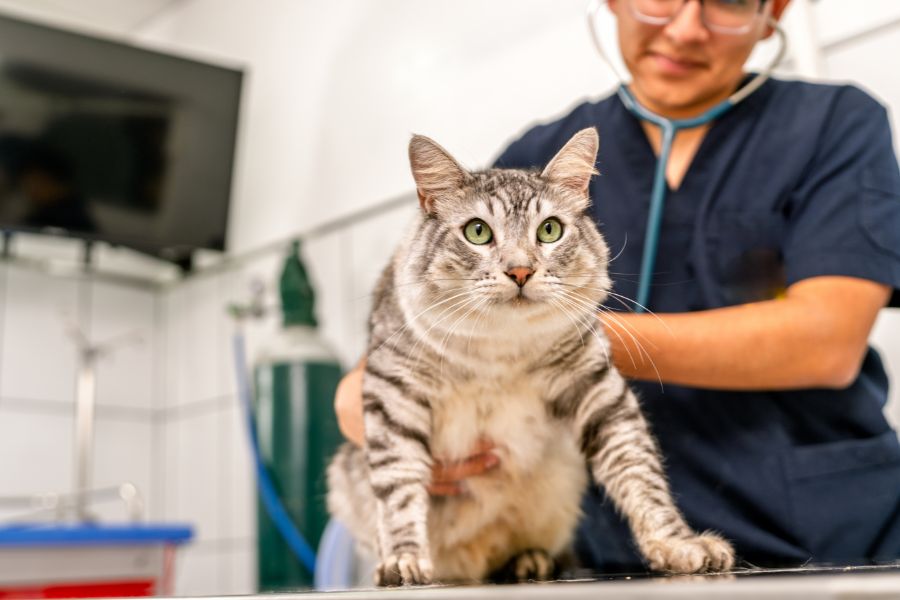



That gentle rise and fall of your sleeping cat’s chest suddenly seems different—faster, more labored, concerning. Unlike dogs, who pant regularly, cats rarely breathe through their mouths, making any respiratory change potentially serious.
Fast breathing in cats ranges from harmless reactions to stress to life-threatening emergencies requiring immediate intervention. Learning to distinguish between normal variations and genuine distress could save your cat’s life when seconds count.
Understanding Normal Cat Breathing
What’s the Normal Rate?
Healthy cats breathe 20-30 times per minute at rest. Count breaths for 30 seconds and double the number—each inhale-exhale combo counts as one breath.
Sleeping cats might drop to 15-20 breaths per minute. Anything consistently above 30 at rest warrants closer monitoring.
Natural Variations
Brief rapid breathing after play sessions or during summer heat resolves within minutes. Stressful events like vet visits or car rides trigger temporary increases, too.
Purring actually changes breathing patterns, making accurate counting difficult. Wait until your cat settles completely before assessing respiratory rate.
Recognizing Abnormal Breathing Patterns
Types of Concerning Breathing
Tachypnea means consistently rapid, shallow breaths exceeding 40 per minute. Your cat’s sides move quickly but minimally, like they can’t catch enough air.
Dyspnea involves labored breathing with obvious effort. Cats might extend their necks, breathe open-mouthed, or use abdominal muscles to force air movement.
Panting in cats differs from dogs—it’s always abnormal except immediately after intense play. Any panting lasting over a few minutes needs investigation.
Visual and Audible Clues
Watch for nostril flaring, exaggerated chest movements, or paradoxical breathing where the abdomen moves opposite to the chest. Blue-tinged gums signal oxygen deprivation requiring emergency care.
Listen for wheezing, crackling, or gurgling sounds. Silent breathing difficulties prove equally dangerous—cats hide distress exceptionally well.
Common Causes of Fast Breathing
Heart Problems
Heart disease affects 15% of cats, often causing fluid accumulation in or around the lungs. Breathing quickens as your cat works harder to oxygenate blood through compromised circulation.
Hypertrophic cardiomyopathy, the most common feline heart condition, might show no symptoms until sudden respiratory distress occurs. Regular veterinary screenings catch problems before crisis points.
Respiratory Infections
Upper respiratory infections cause congestion, forcing mouth breathing when nasal passages block. While usually manageable, severe infections progress to pneumonia without treatment.
Feline asthma affects 1-5% of cats, triggering breathing difficulties similar to human asthma attacks. Environmental allergens, stress, or respiratory infections provoke episodes.
Pain and Stress
Injured cats breathe rapidly from pain, even without visible wounds. Internal problems like urinary blockages or intestinal obstructions cause significant discomfort, affecting breathing.
Anxiety manifests physically through increased respiratory rates. New pets, moving homes, or changes in routine trigger stress responses, including rapid breathing.
Emergency Warning Signs
When to Rush to the Vet
Open-mouth breathing at rest demands immediate attention—cats only breathe this way during severe distress. Don’t wait to see if it improves.
Gasping, choking sounds, or breathing rates exceeding 60 breaths per minute indicate life-threatening situations. Blue or gray gums mean oxygen deprivation requiring emergency intervention.
Collapse, extreme lethargy, or inability to walk accompanied by breathing changes signal critical conditions. Every minute delay is potentially fatal.
Critical Conditions
Pleural effusion (fluid around the lungs) prevents proper lung expansion. Cats stand with elbows out, desperately trying to create more chest space.
Blood clots lodging in the lungs cause sudden, severe breathing difficulties with vocalization from pain. This emergency requires immediate professional intervention.
Anaphylactic reactions from bee stings or medications cause rapid respiratory compromise. Facial swelling often accompanies breathing problems in allergic reactions.
What to Do When Your Cat Breathes Fast
Immediate Actions
Stay calm—your panic increases your cat’s stress, worsening breathing problems. Move slowly and speak softly while assessing the situation.
Count respiratory rate if possible, noting any sounds or unusual postures. Record video for your vet if the cat seems stable enough to delay momentarily.
Remove environmental stressors like other pets, loud noises, or strong smells. Ensure good ventilation, but avoid pointing fans directly at your cat.
Creating a Calm Environment
Dim lights and minimize handling unless absolutely necessary. Stressed cats need space to calm down naturally without forced comfort.
If your cat tolerates it, place them in a quiet, familiar room with their favorite hiding spot accessible. Leaving doors open—feeling trapped worsens anxiety.
For cats requiring emergency respiratory care or those with chronic breathing conditions, a veterinary hospital in Leesburg, VA, or your nearest emergency animal hospital can provide oxygen therapy and advanced diagnostics.
Home Monitoring Techniques
Keeping Records
Document breathing episodes, including triggers, duration, and recovery time. Pattern recognition helps identify causes and predict future episodes.
Smartphone videos prove invaluable for veterinary diagnosis. Breathing problems might resolve before appointments, making documentation crucial.
Using Technology
Pet monitoring cameras track breathing patterns while you’re away. Some apps analyze breathing rates from video, providing objective measurements.
Smart collars monitoring vital signs alert you to changes. While not replacing veterinary care, they provide peace of mind for cats with known conditions.
Prevention and Management
Environmental Modifications
Remove respiratory irritants like cigarette smoke, strong perfumes, and dusty cat litters. HEPA filters reduce airborne allergens, triggering asthma attacks.
Maintain consistent temperatures, avoiding extreme heat. Overweight cats struggle more with heat-related breathing issues—weight management matters.
Long-Term Care Strategies
Schedule regular veterinary checkups to catch problems before respiratory symptoms appear. Annual blood work and chest x-rays benefit senior cats, especially.
Learn your cat’s normal breathing patterns. Individual variations exist—knowing your cat’s baseline helps identify problems faster.
Fast breathing in cats demands attention, but not always panic. Understanding normal variations versus emergency signs helps you respond appropriately, potentially saving your cat’s life during genuine crises.
Trust your instincts; you know your cat best. When breathing seems wrong, seeking veterinary advice quickly beats waiting too long. Better safe than sorry when respiratory distress threatens your feline friend. Also, if you are searching for a vet apart from Leesburg, then North Oatlands Animal Hospital is also proudly serving the surrounding areas of Leesburg, like Waterford, Hamilton, Aldie, Purcellville, and Ashburn.
Frequently Asked Questions:
Q1: How can I count my cat’s breathing rate without disturbing them?
Ans: Watch their chest or flanks from a distance while they rest. Count for 30 seconds and multiply by two, or use video recording to count more accurately later.
Q2: Is rapid breathing during sleep normal for cats?
Ans: Brief rapid breathing during REM sleep is normal, but consistently fast breathing throughout sleep isn’t. Monitor overall patterns rather than isolated moments.
Q3: Can cats have panic attacks, causing fast breathing?
Ans: Yes, cats experience anxiety-induced hyperventilation similar to human panic attacks. These episodes typically resolve within 10-15 minutes once stressors are removed.
Q4: Should I give oxygen to my cat having breathing problems?
Ans: Never use human oxygen masks on cats—improper delivery causes more stress. Professional veterinary oxygen therapy requires specific equipment and monitoring.
Q5: Do overweight cats breathe faster normally?
Ans: Excess weight increases baseline breathing rates and exercise intolerance. Even moderate weight loss significantly improves respiratory function in obese cats.
Q6: Can hairballs cause rapid breathing in cats?
Ans: Severe hairball obstruction potentially causes breathing changes from discomfort or vomiting attempts. Frequent hairball issues with breathing changes need veterinary evaluation.