


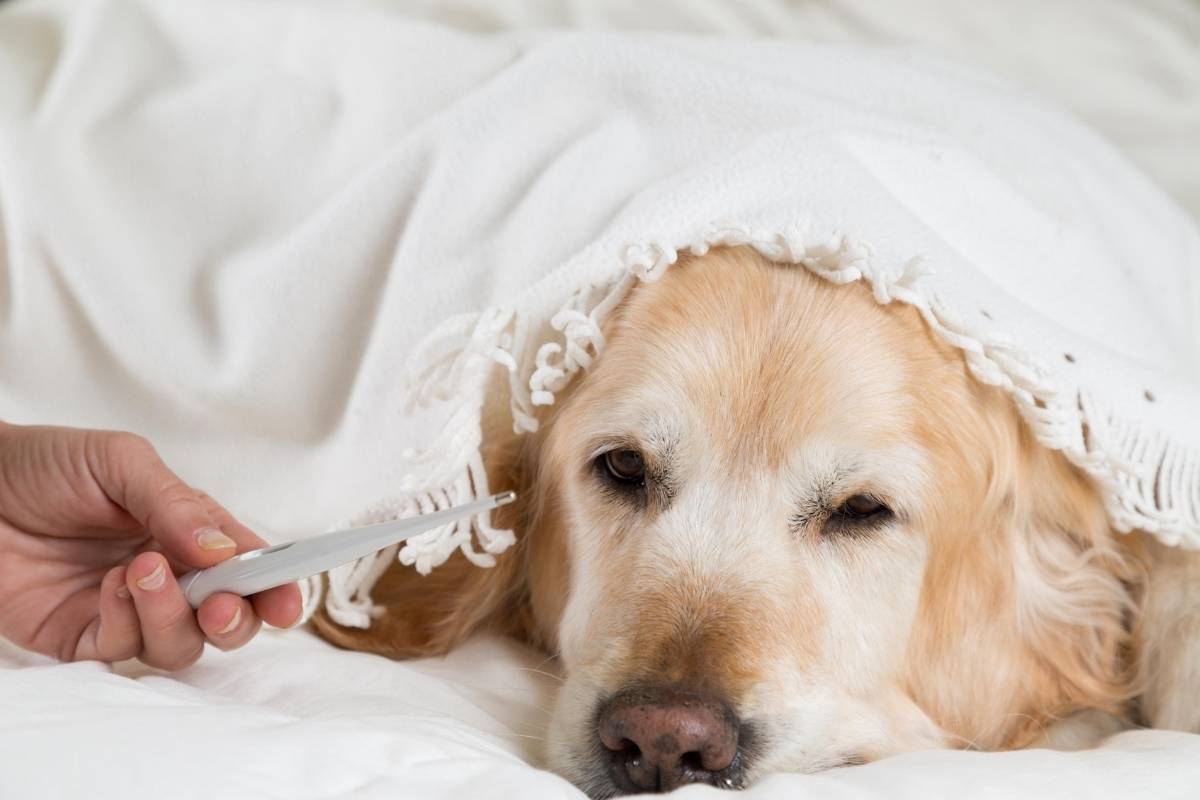
Parvovirus—often called “parvo”—is one of the most contagious and dangerous viral diseases affecting dogs, especially puppies. It attacks the gastrointestinal system, causing severe vomiting, diarrhea, and dehydration.
The good news? Parvo is completely preventable with the right care, vaccination schedule, and a few simple hygiene habits at home. Understanding how to protect your dog from parvovirus can literally save your pet’s life.
What Is Parvovirus and How Does It Spread?
Parvovirus is a highly resilient virus that spreads through contact with infected feces, contaminated surfaces, or even on shoes and clothing. It can survive for months in the environment. Puppies under six months and unvaccinated dogs are at the highest risk.
The virus damages the intestinal lining and weakens the immune system, making infected dogs susceptible to other illnesses. Early prevention is the best defense.
1. Start with Timely Vaccinations
Vaccination is the cornerstone of parvo prevention. Puppies should begin receiving their parvo vaccines between 6–8 weeks of age and continue every 3–4 weeks until 16–20 weeks old. Adult dogs need regular booster shots to maintain immunity.
Keep your vet’s vaccination records up to date and never skip boosters—this simple step offers powerful, long-term protection.
2. Keep Your Dog’s Environment Clean
Parvovirus is resistant to most household disinfectants. Use a bleach solution (1 part bleach to 30 parts water) on hard, non-porous surfaces.
Wash food and water bowls daily, disinfect crates and toys regularly, and avoid letting your dog roam in areas where unvaccinated dogs frequent, like dog parks or communal lawns.
3. Avoid Exposure to Unvaccinated Dogs
Socialization is important, but until your puppy has completed their full vaccination series, avoid dog parks, pet stores, or grooming facilities.
Instead, arrange controlled playdates with fully vaccinated, healthy dogs. Once your vet confirms that your pup is protected, you can safely expand their social circle.
4. Maintain Good Hygiene Practices
Always wash your hands and change your shoes after visiting other dogs or outdoor areas. If you volunteer at a shelter or handle rescue animals, disinfect clothing before interacting with your pets.
Even trace amounts of contaminated material can transmit the virus, so thorough hygiene is critical for prevention.
5. Support a Strong Immune System
A healthy immune system helps your dog resist infections. Feed a balanced, high-quality diet, provide fresh water daily, and ensure regular exercise and veterinary checkups.
Early Warning Signs of Parvovirus
Despite precautions, dogs can still become infected. Watch for these early signs:
- Lethargy or weakness
- Loss of appetite
- Vomiting or severe diarrhea (often with blood)
- Fever or low body temperature
- Dehydration or rapid weight loss
If you notice these symptoms, seek veterinary care immediately. Early treatment dramatically improves survival chances.
Learning how to protect your dog from parvovirus is one of the most important responsibilities of pet ownership. With routine vaccinations, good hygiene, and early vigilance, you can keep your dog safe from this deadly but preventable disease.
Give your pet the protection they deserve with trusted preventive care and pet vaccination in Leesburg, VA, from North Oatlands Animal Hospital — because a healthy pet is a happy pet.
FAQs:
Q1. Can adult dogs get parvovirus?
Ans. Yes. While puppies are most at risk, adult dogs without proper vaccinations can still contract the virus. Booster shots are essential.
Q2. How long can parvovirus live in the environment?
Ans. Parvo can survive indoors for up to two months and outdoors for several months. Regular disinfection is crucial.
Q3. Can my dog get parvo from walking outside?
Ans. Yes, especially in areas where infected dogs have been. Avoid high-traffic dog zones until your dog is fully vaccinated.
Q4. What should I do if my dog has been exposed to parvo?
Ans. Contact your veterinarian immediately. They may recommend testing, quarantine, and preventive measures for other pets in your home.
Q5. Is parvovirus contagious to humans or other pets?
Ans. No, parvo does not affect humans or cats. However, humans can carry the virus on clothing or shoes, spreading it indirectly.
Q6. Can parvo be treated at home?
Ans. No. Parvovirus requires immediate professional care, including IV fluids and medications. Home remedies cannot cure the infection.