

Spending time outdoors with your dog is a wonderful way to enjoy nature, but outdoor adventures can sometimes bring unexpected risks. A walk along a wooded trail, a hike through tall grass, or even time in your backyard may bring your pet close to a snake hiding nearby. Rattlesnake bites in dogs can cause severe pain, swelling, and other serious health problems, so knowing what to watch for matters. Even a dog that is usually careful may approach a snake out of curiosity. At North Oatlands Animal Hospital in Leesburg, VA, helping pet owners understand potential hazards is an important part of keeping pets safe. This guide explains how to reduce the risk of a bite, recognize warning signs, and respond quickly if you suspect your pet has been bitten.
How Can You Protect Your Pet From Rattlesnake Bites?
You can lower your pet’s risk of a rattlesnake bite by keeping your dog on a leash, avoiding areas with tall grass or loose rocks, and staying alert during outdoor activities. If you see a snake, calmly move away and keep your pet at a safe distance. Never allow your dog to approach or investigate it.
Snakes may be difficult to spot because their coloring can blend into leaves, soil, and rocks. A dog that likes to sniff under bushes or explore holes may get close before you notice the danger. Prevention is especially important when hiking, walking near wooded areas, or spending time in places where snakes may shelter.
Outdoor habits that help keep pets safer
- Keep your dog leashed: A standard leash gives you more control than allowing your dog to roam freely. Avoid retractable leashes in areas where you may need to move away quickly.
- Stay on clear paths: Walk on established trails and avoid tall grass, dense brush, piles of leaves, and rocky spaces where snakes may hide.
- Watch where your dog sniffs: Do not let your dog investigate holes, woodpiles, or spaces beneath outdoor structures.
- Check your yard: Keep grass trimmed, remove unnecessary debris, and close gaps where wildlife may shelter. These steps can reduce hiding places but cannot guarantee that snakes will stay away.
- Keep your distance from wildlife: Never try to handle, trap, or kill a snake. A snake that feels threatened may strike.
- Stay alert during warm weather: Snakes may be more active when temperatures are mild or warm, but the risk depends on the local climate and habitat.
A useful habit is to scan the path ahead rather than focusing only on your dog. If you spot a snake, do not approach it to identify its markings or take a closer photograph. Your safest response is to create distance and leave the area.
What Are the Warning Signs of a Rattlesnake Bite in Dogs?
A rattlesnake bite may cause sudden pain, swelling, bruising, or bleeding near the bite site. Dogs may also drool, become weak, limp, or seem unusually restless. However, the signs can vary, and you may not see clear puncture marks.
The effects depend on several factors, including the bite location, the amount of venom injected, and your dog’s size and health. A bite on the face or neck may cause swelling that affects breathing or swallowing. Other complications may involve blood clotting, tissue damage, or changes in circulation.
Signs pet owners should watch for
- Sudden swelling, especially around the face, muzzle, legs, or paws
- Bruising, bleeding, or small puncture wounds
- Whining, yelping, or signs of pain when touched
- Limping or refusing to put weight on a leg
- Drooling, vomiting, or unusual restlessness
- Weakness, wobbling, or difficulty standing
- Pale gums, collapse, or difficulty breathing
Some signs may appear quickly, while others can develop over time. Do not wait for every symptom to appear before contacting a veterinarian. A dog may seem relatively normal at first, even when a bite has occurred.
It is also important to remember that not every snake bite leaves obvious marks. Thick fur can hide wounds, and swelling may make the affected area difficult to examine. If your dog suddenly cries out near a snake or develops unexplained swelling after being outdoors, treat the situation seriously.
What Should You Do If You Think Your Dog Was Bitten by a Rattlesnake?
If you suspect a rattlesnake bite, move your dog away from the snake and seek urgent veterinary care immediately. Keep your dog as still and calm as possible, and carry them if you can do so safely. Call the veterinary hospital while arranging transport so the team can prepare for your arrival.
Do not wait to see whether swelling improves on its own. Venom can affect the body even when the bite looks small. Fast veterinary assessment gives your pet the best opportunity to receive appropriate treatment.
Steps to take right away
- Move away from the snake. Do not attempt to catch it, kill it, or bring it to the clinic. Your safety matters too.
- Limit your dog’s movement. Walking and struggling can increase stress. Carry your dog if possible, provided doing so will not put you at risk.
- Call a veterinarian. Explain what happened, when you noticed the possible bite, and what signs you have seen.
- Transport your dog promptly. Follow the veterinary team’s instructions and avoid unnecessary delays.
- Keep your dog as calm as possible. Speak softly and avoid pressing, rubbing, or repeatedly checking the affected area.
What should you avoid doing?
Do not cut the wound, suck out venom, apply a tourniquet, or place ice directly on the bite. Do not give human pain medicines or other medication unless a veterinarian specifically instructs you to do so. These actions may cause additional harm or delay effective care.
If you can safely remember the snake’s appearance from a distance, tell the veterinarian what you observed. However, never approach the snake or risk another bite to get a better look.
How Do Veterinarians Diagnose and Treat Rattlesnake Bites?
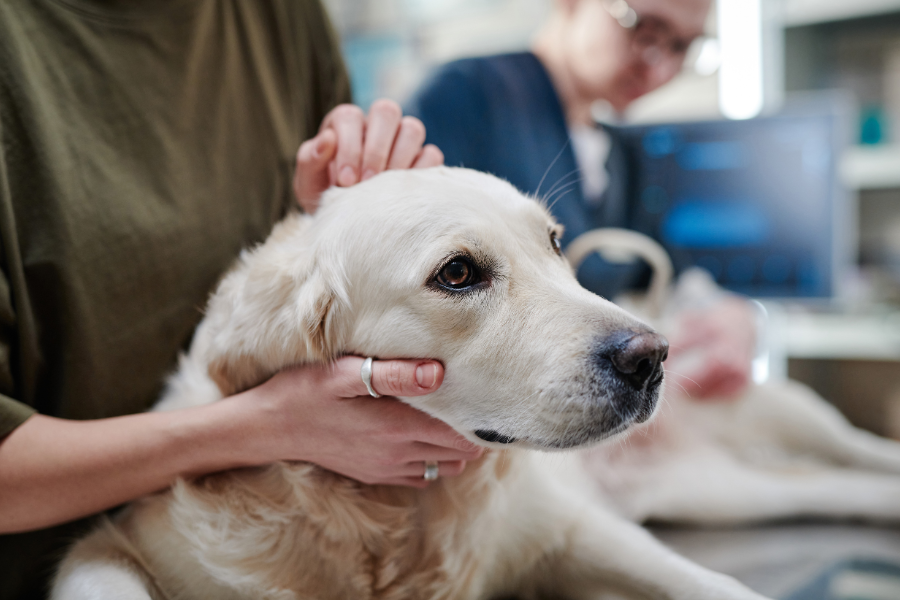
A veterinarian will assess your dog’s symptoms, examine the suspected bite area, and decide whether blood tests or other checks are needed. Treatment depends on the severity of the bite and the effects of the venom. Care may include pain relief, intravenous fluids, monitoring, and antivenom when indicated.
There is no single treatment plan that fits every bite. Your veterinarian may need to monitor swelling, blood clotting, blood pressure, and organ function. Some dogs need close observation in the hospital, while others may require a different level of care based on their condition.
A hypothetical example
Imagine a dog named Scout who is walking with his owner near a wooded trail. Scout suddenly yelps and begins licking one front paw, and the owner soon notices swelling. Rather than trying home remedies, the owner carries Scout to the car and calls a veterinary hospital on the way. The veterinary team examines Scout, checks for signs of venom effects, and recommends treatment and monitoring based on the findings.
This example is hypothetical, but it illustrates why prompt assessment matters. The size of the wound alone cannot tell you how serious a bite may be.
During treatment, the veterinarian may repeat examinations or tests to check how your pet is responding. Follow-up care is also important because pain, swelling, or tissue damage can persist after the initial visit. Ask your veterinarian what changes to watch for at home and when your pet should be rechecked.
What Can Pet Owners Do at Home After Veterinary Treatment?
Home care should follow your veterinarian’s instructions. Depending on your dog’s condition, you may need to limit exercise, give prescribed medication, protect the affected area, and attend follow-up visits. Do not change a medication dose or stop treatment early without checking with the veterinary team.
During recovery, watch your pet closely and keep daily activities calm. Your dog may need help getting outside or moving around comfortably. Avoid hiking, running, rough play, or other strenuous activity until your veterinarian says it is safe.
Recovery tips to remember
- Give all prescribed medicines exactly as directed.
- Keep your dog in a quiet, comfortable place to rest.
- Check the affected area only as instructed, and avoid pressing on it.
- Watch for worsening swelling, new bleeding, increasing pain, weakness, or changes in breathing.
- Make sure your dog has access to fresh water and a comfortable resting area.
- Attend recommended follow-up appointments, even if your pet appears to be improving.
Contact your veterinarian promptly if your dog seems worse or develops new symptoms. If breathing becomes difficult, your dog collapses, or severe weakness develops, seek urgent veterinary care without delay.
Do not rely on online advice or another pet’s recovery experience to decide when your dog is ready to return to normal activities. Recovery varies with the bite and the treatment needed.
When Should You Seek Urgent Veterinary Care for a Possible Snake Bite?
You should seek urgent veterinary care immediately if you witnessed a possible rattlesnake bite or notice sudden swelling, unexplained pain, bruising, weakness, or other concerning changes after your dog has been outdoors. Do not wait for symptoms to become severe. Early veterinary assessment is safer than trying to judge the amount of venom at home.
A bite may be hard to confirm, especially if your dog has thick fur or the snake was not seen clearly. Even so, the combination of sudden pain, swelling, and a possible encounter with a snake should be taken seriously.
Call a veterinarian promptly if your dog has:
- Sudden swelling or bruising after outdoor activity
- Pain, limping, or unexplained distress
- Vomiting, marked drooling, or unusual weakness
- Bleeding or changes in gum color
- Trouble standing, swallowing, or breathing
If you are unsure whether a snake was venomous, do not delay care while trying to identify it. Describe the situation to the veterinary team and follow their directions. When a bite is possible, a prompt call can help you make the safest decision for your pet.
Conclusion
Protecting your dog from rattlesnake bites starts with awareness and simple outdoor precautions. Keep your pet close on a leash, avoid places where snakes may hide, and never allow your dog to approach wildlife. Learn to recognize signs such as sudden swelling, bruising, pain, and weakness, but remember that visible wounds may be absent. If you suspect a bite, limit your dog’s movement and seek urgent veterinary care rather than trying home remedies. Call North Oatlands Animal Hospital at (703) 777-7781 located in Leesburg, as they encourage pet owners to contact a veterinarian whenever they are concerned about a possible snake bite. Acting quickly and following professional guidance can help your pet receive the care they need.
FAQs
Q1: What are the first signs of a rattlesnake bite in a dog?
A: Early signs may include sudden pain, swelling, bruising, bleeding, or limping. Some dogs may drool, vomit, or become weak. A lack of visible puncture marks does not rule out a bite.
Q2: Can a dog survive a rattlesnake bite?
A: Many dogs can recover with prompt veterinary care, but the outcome depends on the bite, the amount of venom involved, and how quickly treatment begins. A suspected bite should always be assessed by a veterinarian.
Q3: What should I never do if a rattlesnake bites my dog?
A: Do not cut the wound, suck out venom, apply a tourniquet, use ice on the bite, or give human medication without veterinary direction. Keep your dog as still as possible and seek urgent veterinary care.
Q4: How can I prevent rattlesnake bites when walking my dog?
A: Keep your dog on a leash, stay on clear trails, avoid tall grass and rocky hiding places, and never let your dog investigate a snake. Check your yard for debris and gaps where wildlife may shelter.
Q5: Should I contact North Oatlands Animal Hospital if I suspect my dog was bitten by a snake?
A: Yes. Contact North Oatlands Animal Hospital or the nearest veterinary provider promptly if you suspect a bite. Explain your dog’s symptoms and follow the team’s directions for getting veterinary care without delay.