




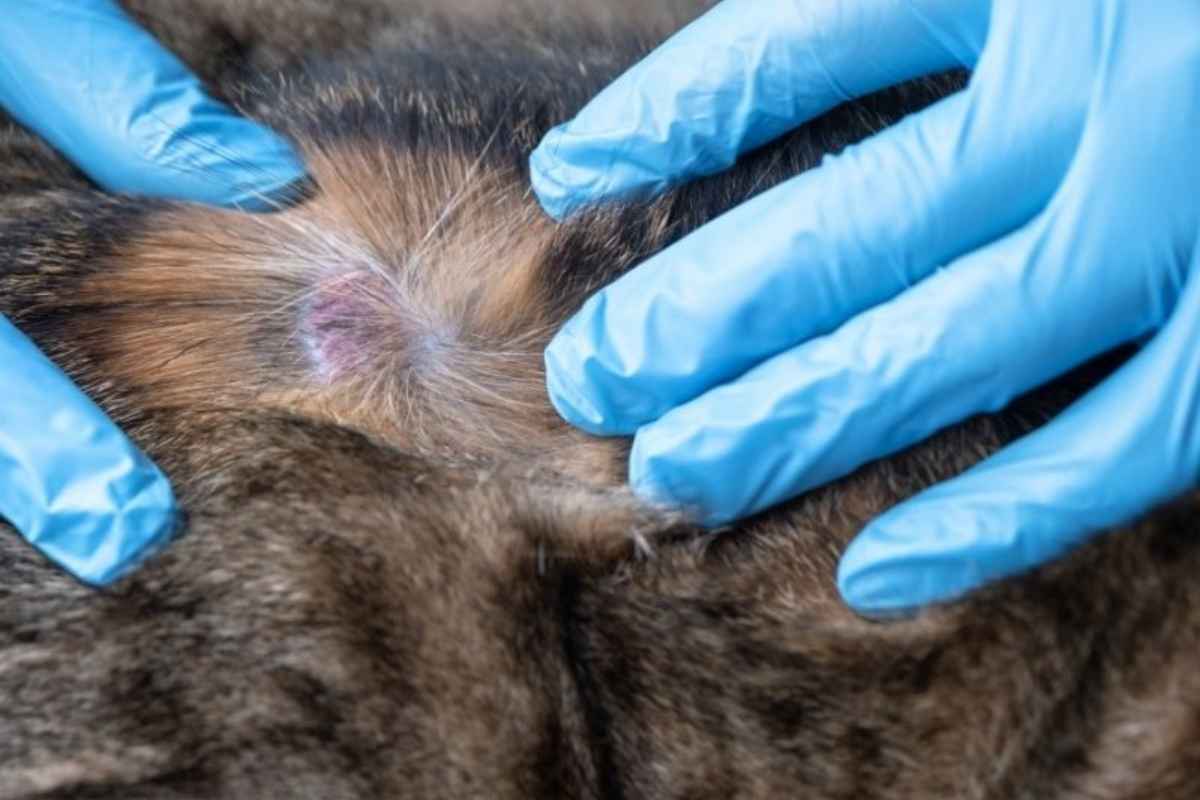
As the seasons change, bringing beautiful blooms or crisp autumn air, does your pet start an endless cycle of scratching, licking, and chewing? For many dogs and cats, the shift in weather signals the start of allergy season, turning a beautiful time of year into a period of intense discomfort. This frustrating itchiness is often caused by environmental allergens, just like hay fever in people. Understanding the signs and available treatments for seasonal allergies in pets is crucial for restoring your companion’s comfort and protecting their skin. After all, a happy pet is a healthy pet.
What Exactly Are Seasonal Pet Allergies?
Known medically as atopy or environmental allergies, seasonal allergies are a hypersensitive reaction to airborne substances. When your pet inhales or comes into contact with these allergens, their immune system overreacts, releasing histamine and other compounds that cause inflammation and intense itching.
Unlike humans who typically get watery eyes and a runny nose, your pet’s allergic reaction most often manifests through their skin. Common culprits include tree, grass, and weed pollens in the spring and fall, as well as mold spores, which can peak during damp weather.
Recognizing the Telltale Signs of Pet Allergies
Symptoms can range from mild to severe and often follow a seasonal pattern, worsening during certain times of the year. Paying close attention to these signs is the first step toward getting your pet the relief they desperately need.
Constant Itching and Skin Issues
This is the number one sign of allergies in pets. You may notice:
- Excessive scratching, licking, or chewing at their body.
- Red, inflamed, or moist skin (hot spots).
- Licking or chewing their paws until they are stained brown.
- Rubbing their face and ears on furniture or the carpet.
Recurrent Ear Infections and Head Shaking
Allergies are a leading cause of chronic ear infections in dogs. The skin inside the ear canal becomes inflamed, creating a perfect environment for yeast and bacteria to thrive. Consequently, you might see your pet shaking their head frequently, scratching at their ears, or notice a foul odor or discharge.
Other Common Symptoms
While skin issues are most common, you may also observe other symptoms. These can include watery eyes, a runny nose, and sneezing, though these are less frequent than in human allergy sufferers. Some pets may also “scoot” or lick their rear end due to anal gland irritation linked to allergies.
How to Manage and Treat Your Pet’s Allergies
Managing allergies is often a multi-faceted approach aimed at reducing exposure and controlling symptoms. While there is no “cure,” you can significantly improve your pet’s quality of life with a consistent plan.
- Minimize Allergen Exposure: After walks, wipe your pet’s paws, belly, and face with a damp cloth to remove pollen. Keep windows closed during high-pollen days and consider using an air purifier indoors.
- Soothe the Itch: Regular bathing with a vet-recommended hypoallergenic or medicated shampoo can wash away allergens and soothe irritated skin. Topical sprays can also provide temporary relief for itchy spots.
- Provide Nutritional Support: Supplements rich in omega-3 fatty acids can help support the skin barrier and reduce inflammation. For some pets, a prescription diet may be beneficial.
For a deeper look into your pet’s overall health, explore our guide on the importance of annual wellness exams.
When Professional Veterinary Care Is Necessary
If at-home efforts aren’t enough, or if your pet’s skin is raw, bleeding, or shows signs of infection, it’s time to see a veterinarian. Persistent seasonal allergies in pets can lead to secondary infections that require medical intervention.
Your veterinarian can offer a range of effective treatments, from oral medications like Apoquel and Atopica to long-lasting injections like Cytopoint. For severe or year-round cases, your vet may recommend allergy testing to identify specific triggers. This information can be used to create a custom immunotherapy treatment (allergy shots) to desensitize your pet’s immune system over time. For complex cases, a specialist in veterinary Dermatology in Leesburg, VA, can provide advanced diagnostics and tailored treatment plans. We also provide services in the surrounding areas of Leesburg, including Waterford, Hamilton, Aldie, Purcellville, and Ashburn. Hence, if you are facing any health-related issues with your pet, then reach out to North Oatlands Animal Hospital serving Leesburg and its surrounding areas.
Watching your furry friend struggle with constant itching can be heartbreaking, but it’s important to remember that you are their best advocate. Managing seasonal allergies is a journey that requires patience and a partnership with your veterinarian. By proactively identifying symptoms and creating a tailored management plan, you can help your companion navigate allergy season with comfort and ease. The most important step you can take today is to start tracking your pet’s symptoms to share with your vet.
Frequently Asked Questions:
Q1: Can I give my pet Benadryl for allergies?
A: You should never give your pet any over-the-counter medication without consulting your veterinarian first. While some vets may approve Benadryl, the dosage for pets is different, and it is not effective for many dogs and cats.
Q2: Do seasonal allergies go away on their own?
A: Unfortunately, no. Seasonal allergies are a chronic condition that will likely recur each year. However, symptoms can be effectively managed with a proactive treatment plan from your vet.
Q3: What’s the difference between a food allergy and a seasonal allergy?
A: Seasonal allergies flare up during certain times of the year, while food allergies cause symptoms year-round. While the symptoms (like itchy skin) are similar, a food allergy is a reaction to an ingredient in their diet, most commonly a protein.
Q4: At what age do pets typically develop seasonal allergies?
A: Most pets begin showing signs of seasonal allergies between one and three years of age. It is less common for symptoms to start in very young puppies or senior dogs, though it is not impossible.
Q5: Can cats get seasonal allergies, too?
A: Yes, cats can absolutely suffer from seasonal allergies. Their symptoms often include obsessive grooming, scratching at their head and neck, and developing tiny scabs on their skin, a condition known as miliary dermatitis.
Q6: How does a vet diagnose seasonal allergies?
A: A diagnosis is typically made by observing a seasonal pattern of symptoms and ruling out other causes of itching, like fleas, mites, and food allergies. Allergy testing can then be used to pinpoint the specific environmental allergens.