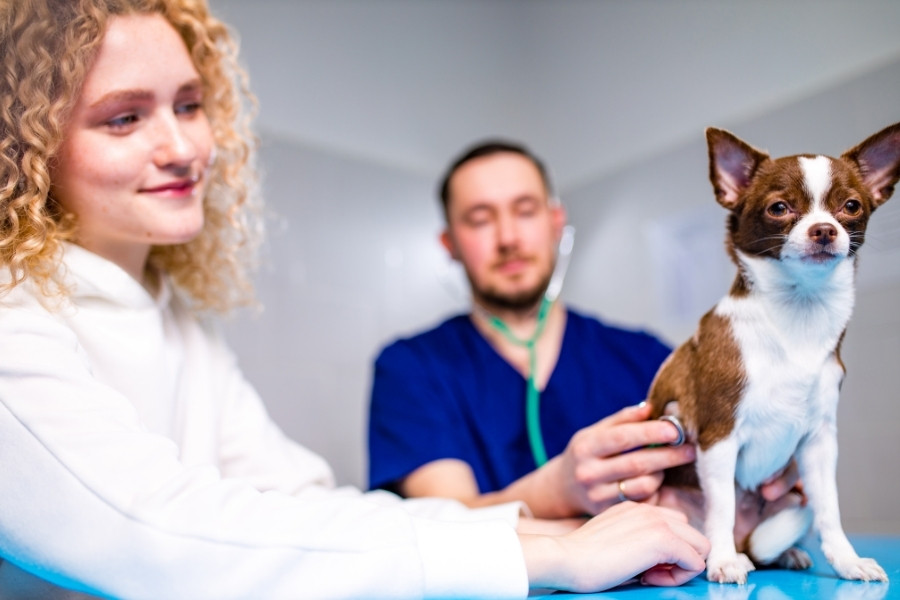
Your dog is eating well, playing hard, and has a shiny coat. Your cat is grooming herself and using the litter box like clockwork. Everything seems fine, so why would your vet recommend a pet fecal exam at their next checkup? Here’s the uncomfortable truth: intestinal parasites are sneaky. Many pets carry them without showing a single symptom, sometimes for months. At North Oatlands Animal Hospital in Leesburg, VA, we see this scenario often: a pet that looks completely normal on the outside but is dealing with an internal parasite problem that only a stool sample can reveal. In this article, you’ll learn what a fecal exam actually checks for, why healthy-looking pets still need one, and what happens if these hidden issues go untreated.
What Is a Pet Fecal Exam and Why Does It Matter
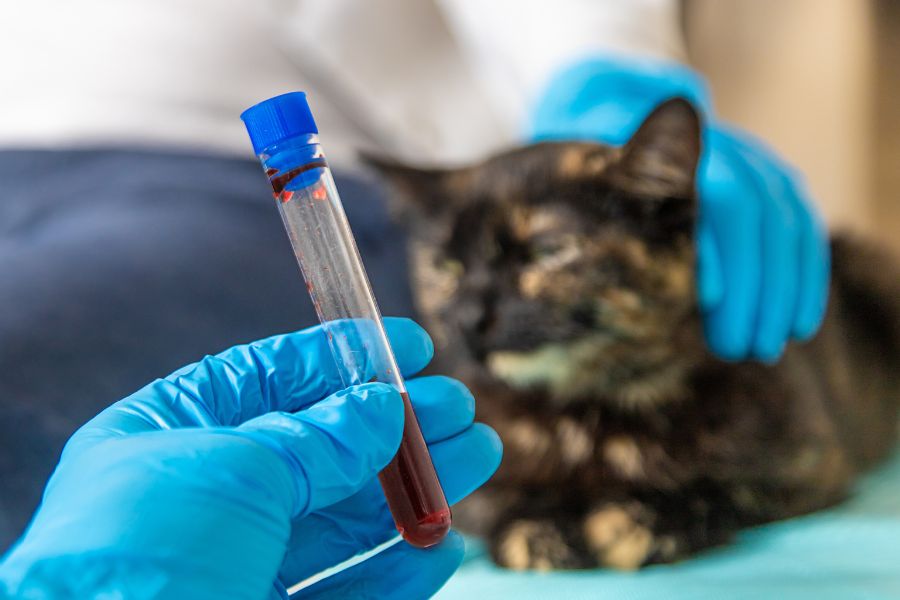
A pet fecal exam is a lab test that checks a small stool sample for signs of intestinal parasites, things like roundworms, hookworms, whipworms, tapeworms, and single-celled organisms such as Giardia. The vet or vet technician looks at the sample under a microscope, searching for parasite eggs or other telltale signs.
Here’s why it matters so much. Many of these parasites don’t cause obvious symptoms until an infestation becomes severe. A puppy or kitten with a heavy roundworm load might have a pot-bellied appearance, but an adult dog with a mild hookworm infection might show nothing at all beyond occasional low energy that owners often chalk up to normal aging.
Routine parasite screening catches these problems early, before they affect your pet’s health or spread to other animals (and in some cases, people) in your household.
What to Expect During a Fecal Exam at Our Clinic
Bringing a stool sample to your pet’s appointment is simple, but knowing what happens next can ease any worry.
- You’ll collect a fresh sample (ideally less than 12 hours old) in a clean container or bag
- Our team performs a fecal flotation test, which separates parasite eggs from the rest of the stool sample
- In some cases, we also run an antigen test, which detects specific proteins like those from giardia
- Results are typically ready the same day or within 24 to 48 hours
If a stool sample testing result comes back positive, your vet will discuss treatment options right away. Most parasite infections are straightforward to treat with the right medication, and your pet will start feeling like themselves again quickly.
Benefits of Routine Fecal Testing for Your Pet’s Health
Beyond the basics of catching visible symptoms, regular fecal testing offers protection you might not think about.
Intestinal parasites can quietly drain your pet’s nutrition, weaken their immune system, and cause long-term digestive issues if left unchecked. Puppies and kittens are especially vulnerable since their smaller bodies handle parasite loads poorly.
There’s also a human health angle worth knowing. Some zoonotic parasites can pass from pets to people, particularly children or those with weakened immune systems. Routine screening isn’t just about your pet’s comfort; it’s a layer of protection for your whole family. Annual or biannual fecal exams, paired with a routine wellness exam, give your vet a complete picture of your pet’s internal health, not just what you can see on the surface.
Signs and Symptoms to Watch For
That brings up an important question: if parasites can be invisible, what should you actually watch for? While some pets show zero signs, others display subtle clues worth noting:
- Occasional soft stool or diarrhea that comes and goes
- Visible worms or worm segments in stool (these can look like grains of rice)
- Dull coat despite a good diet
- Mild weight loss or a pot-bellied appearance in young pets
- Scooting or excessive licking around the rear end
- Low energy that seems out of character
If you notice any of these, don’t wait for the next scheduled visit. A same-day fecal exam at an animal hospital with an in-house diagnostic lab can rule out parasites quickly and give you peace of mind.
Why Pet Owners in Leesburg Trust North Oatlands Animal Hospital
Here’s where it gets practical. Parasite prevalence varies by region, and here in Loudoun County, wooded areas, shared dog parks, and warm summers create plenty of opportunities for pets to pick up intestinal parasites in pets through contaminated soil, water, or contact with other animals.
Veterinarians in Leesburg recommend fecal exams as part of a proactive wellness plan, not just a reaction to symptoms. Similarly, our team in North Oatlands Animal Hospital takes the time to explain results clearly, walk you through dog and cat deworming options if needed, and help you build a prevention schedule that fits your pet’s lifestyle.
Pet owners throughout Leesburg choose us because we treat every fecal exam as a meaningful checkpoint in your pet’s overall health, not just a box to check.
A pet fecal exam might seem like a small step, but it can catch problems long before they become visible or serious. Even the healthiest-looking pets can carry asymptomatic pet parasites, which is exactly why routine parasite screening matters so much. The good news is that this simple test, paired with a quick sample from home, gives your vet real answers and a clear path forward if treatment is needed. If it’s been a while since your pet’s last fecal exam, now is a great time to schedule one. Give North Oatlands Animal Hospital in Leesburg, VA a call, and let’s make sure your pet’s health is as good on the inside as it looks on the outside.
FAQs
Q1: What does a pet fecal exam actually test for?
A: A pet fecal exam checks a stool sample for intestinal parasites such as roundworms, hookworms, whipworms, tapeworms, and giardia. The sample is examined under a microscope or tested for specific antigens to detect these organisms, even when your pet shows no outward symptoms.
Q2: Can my pet have parasites even if they seem completely healthy?
A: Yes, this is actually quite common. Many intestinal parasites cause mild or no symptoms in their early stages, which is exactly why routine parasite screening is recommended even for pets that appear perfectly fine.
Q3: How is a stool sample collected for testing?
A: You simply collect a small, fresh stool sample from your pet, ideally less than 12 hours old, in a clean container or bag. Bring it to your appointment, and our team handles the rest, running the appropriate lab test based on your pet’s history and risk factors.
Q4: How often should my pet get a fecal exam?
A: Most healthy adult pets benefit from a fecal exam once or twice a year, often paired with their routine wellness exam. Puppies, kittens, and pets with outdoor access or exposure to other animals may need more frequent testing.
Q5: When should I bring my pet in sooner than their scheduled checkup?
A: If you notice soft stool, visible worms, unexplained weight loss, or low energy, don’t wait. These can be signs of a parasite issue that’s ready to be addressed, and a same-day fecal exam can give you clear answers quickly.