19275 James Monroe Highway, Leesburg, VA 20175

Why Pet Vaccinations Matter: A Simple Guide for Pet Owners



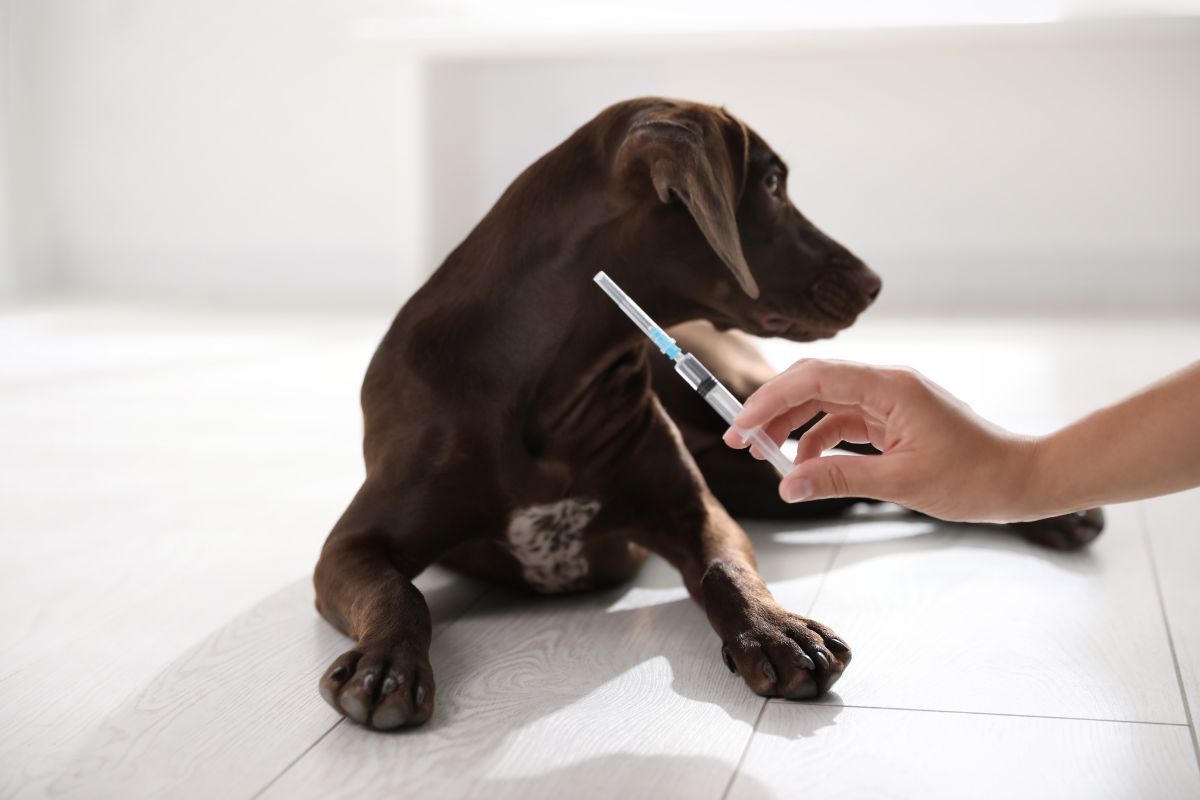
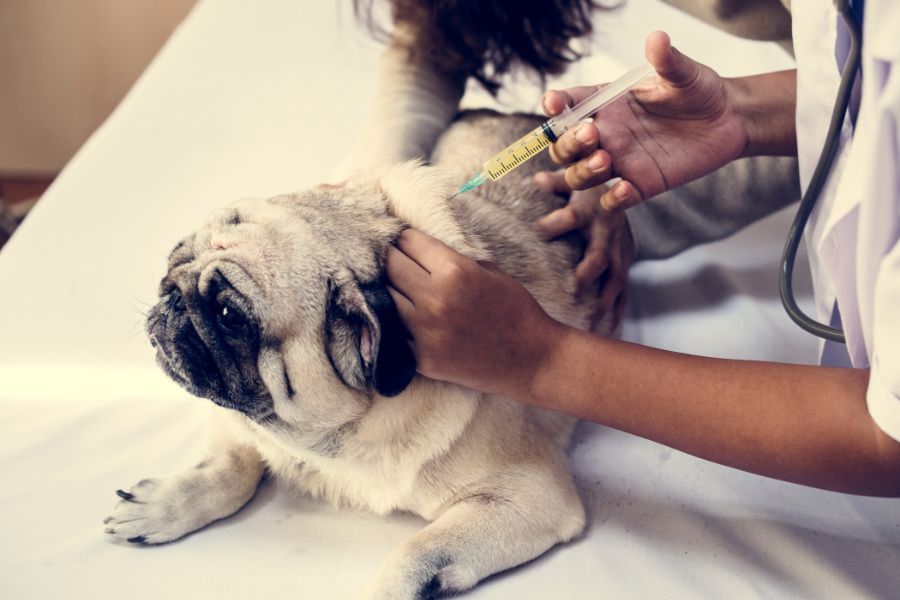
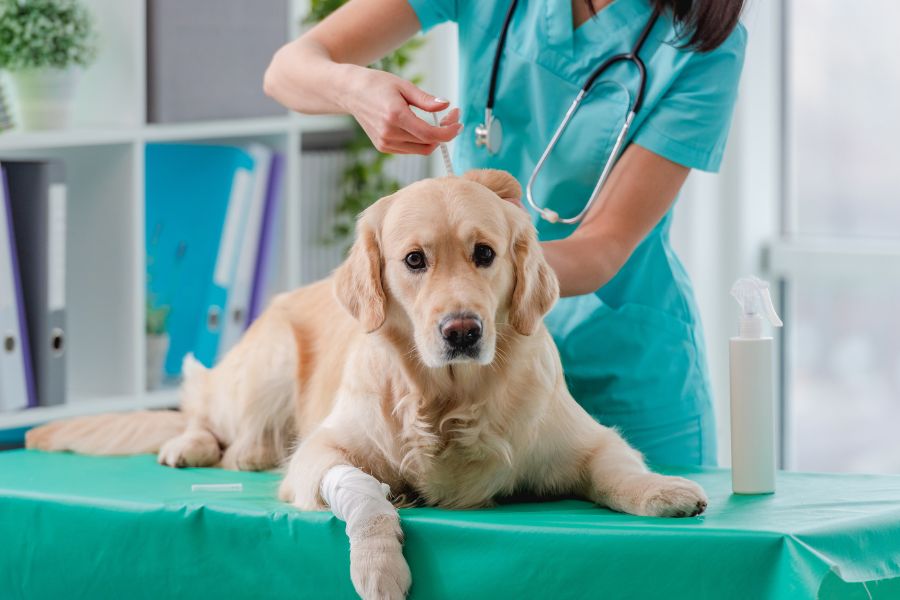
Vaccinating your pet isn’t just a medical necessity—it’s an act of love and protection. Just like children need vaccines to grow up healthy, pets also need protection against common yet deadly diseases. Unfortunately, many pet owners still underestimate the importance of routine vaccinations. This guide will walk you through the why, when, and how of pet vaccinations—made simple and clear.
How Vaccines Work: Your Pet’s Immune Armor
Vaccines prepare your pet’s immune system to fight harmful viruses and bacteria. When a vaccine is introduced into the body, it triggers an immune response that produces antibodies. These antibodies “remember” the disease, so if your pet is exposed in the future, their body is ready to fight it off fast and effectively.
It’s much like giving your pet a suit of armor before sending them out into the world.
Preventing the Preventable: Diseases Vaccines Ward Off
Transitioning from understanding how vaccines work, let’s look at what they protect against. Pet vaccinations guard your furry companion against several life-threatening conditions, including:
- Rabies: Fatal and transmissible to humans.
- Distemper: A viral disease affecting the respiratory, gastrointestinal, and nervous systems
- Parvovirus: Highly contagious and deadly, especially for puppies.
- Leptospirosis: A bacterial infection that affects the kidneys and liver.
- Feline Leukemia (FeLV): A serious disease in cats that can lead to cancer and immunodeficiency.
By vaccinating your pet, you’re preventing them from enduring pain, suffering, or even premature death.
Timing Is Everything: The Pet Vaccination Schedule
One of the most important aspects of vaccination is timing. Puppies and kittens receive a series of shots during their first few months, followed by annual boosters. Here’s a simplified timeline:
- 6–8 weeks: First vaccines (distemper, parvovirus)
- 10–12 weeks: Rabies, leptospirosis, and boosters
- 14–16 weeks: Final puppy/kitten shots
- Annually: Booster shots and updates based on lifestyle or travel
It’s essential to work with your veterinarian to create a vaccination schedule tailored to your pet’s age, health, and environment.
Why Skipping Vaccines Is a Risky Gamble
It’s easy to forget or even intentionally skip vaccinations, especially if your pet seems healthy. But diseases don’t wait for symptoms. Viruses can spread in parks, kennels, and even on your shoes. Choosing not to vaccinate could mean putting your pet at serious risk.
Moreover, some diseases—like rabies—are required by law. Not vaccinating could result in legal penalties, quarantine, or worse.
One Time is Enough: Location-Specific Protection
Different regions may have unique health risks for pets. That’s why pet vaccinations in Leesburg, VA, are carefully designed to suit the local environment. Certain vaccines may be more essential depending on the climate, wildlife, and outbreak history in the area. Always consult your local vet to make sure your pet is fully protected.
Pet Vaccination Myths: Debunked
Let’s transition to some common myths that often mislead pet owners:
- “My indoor cat doesn’t need vaccines.” Even indoor pets can be exposed through windows, shoes, or visiting pets.
- “Vaccines cause side effects.” Side effects are pretty uncommon and tend to be mild, such as some soreness or feeling a bit tired. Serious reactions are extremely rare.
- “Natural immunity is better.” Catching a disease naturally can be fatal. Vaccines offer a safe way to build immunity.
- “One vaccine lasts a lifetime.” Immunity can wane over time. Boosters are necessary for continued protection.
Understanding the truth behind these myths empowers you to make better health choices for your pet.
When you vaccinate your pet, you’re not just keeping them safe; you’re also helping to create a healthier community for both animals and humans. Vaccines save lives, they’re simple, safe, and scientifically proven. So don’t wait, talk to your veterinarian near you and give your pet the protection they deserve. Schedule a visit with a vet at North Oatlands Animal Hospital in Leesburg, VA, for professional evaluation and compassionate care. Our experienced veterinary team is ready to help keep your pet healthy and comfortable.
FAQs
Q1: How often should my pet receive vaccinations?
Ans: Most pets need a series of vaccinations as puppies or kittens, followed by annual or periodic booster shots. Your veterinarian will recommend a schedule based on your pet’s age, health, and lifestyle.
Q2: Are pet vaccines safe for dogs and cats?
Ans: Yes, pet vaccines are very safe. Mild side effects like slight soreness or tiredness may occur, but serious reactions are extremely rare and veterinarians monitor pets closely.
Q3: Do indoor pets really need vaccinations?
Ans: Yes, indoor pets still need vaccinations. They can be exposed to viruses through people, other animals, or even contaminated surfaces brought into the home.
Q4: What happens if I miss my pet’s vaccination appointment?
Ans: If you miss a vaccine, contact your veterinarian as soon as possible. Your pet may need a booster or a revised vaccination schedule to maintain protection.
Q5: Which vaccines are considered essential for pets?
Ans: Core vaccines typically include rabies, distemper, and parvovirus for dogs, and rabies, feline distemper, and feline leukemia for cats. Your veterinarian may recommend additional vaccines based on your pet’s lifestyle.