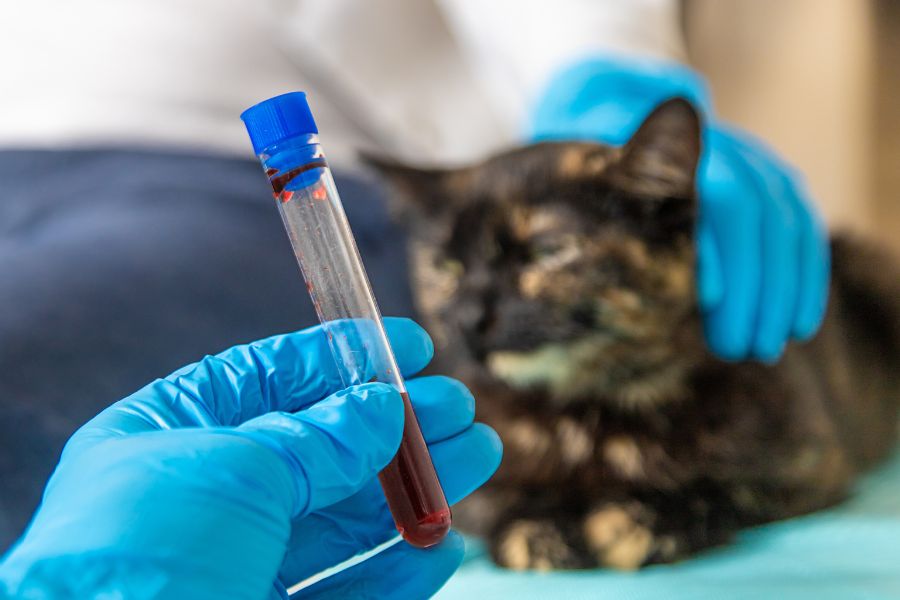




Diagnostic pet care is the silent hero behind every healthy wagging tail and soft purr. Unfortunately, many pet owners in Leesburg and beyond fall prey to myths that can put their animals at risk. By unpacking these misconceptions and spotlighting the facts, we can ensure our pets receive the attention they truly deserve.
The Cloak of Invincibility: “My Pet Can’t Get Sick”
It’s easy to assume that a playful pup or a healthy-appearing kitty is immune to disease. However, just like humans, pets are susceptible to a host of illnesses even when no symptoms are obvious. Believing pets can heal on their own, or only need a vet when visibly unwell, is a dangerous myth. Regular diagnostic exams, such as blood tests and physical check-ups, are essential for early detection of hidden problems.
Indoor Pets Don’t Need Diagnostics
Many believe indoor cats or dogs are immune to illness, parasites, and chronic disease simply because they’re sheltered from the great outdoors. Yet, conditions like kidney disease, diabetes, and even parasite infestations can develop in indoor pets. Regular diagnostic pet care in Leesburg helps catch these issues early, often before symptoms present themselves.
Yearly Exams Are Optional: “My Pet Looks Fine, So Skip the Vet”
Perhaps the most risky misconception is that annual or routine veterinary exams are unnecessary if your pet seems healthy. In truth, annual checkups are the backbone of preventive care. They allow veterinarians to identify changes in your pet’s health, catch diseases in their silent stages, and keep your furry friend on track for a long, happy life.
Cats Need Less Care Than Dogs
Cat owners may think their feline friends are low-maintenance—after all, cats are independent and stoic. This belief erroneously leads many to skip important diagnostic tests like lab work or comprehensive physical exams. However, cats excel at masking illness. Routine diagnostics are often the only way to spot issues such as thyroid disease, dental problems, or kidney trouble before they affect quality of life.
Only Sick Pets Need Bloodwork and X-Rays
Another common myth is that diagnostic tools like blood tests, X-rays, and urinalysis are for sick animals only. In reality, these tools establish healthy baselines and can unearth early disease signs, especially for aging pets or those at risk of genetic conditions. By the time symptoms emerge, a disease may be quite advanced and more challenging to treat.
Cost Myths: “Pet Diagnostics Are Too Expensive”
Some owners worry that diagnostic care is prohibitively costly or assume cat care is less expensive than dog care. Yet, the truth is that many standard diagnostic services (like X-rays or blood panels) cost the same for cats and dogs—sometimes even humans. Skipping routine diagnostics can result in higher costs later, as untreated issues become emergencies requiring intensive intervention.
Over-The-Counter Fixes: Self-Diagnosing with Internet Advice
With so much information online, many owners attempt to diagnose their pets at home or turn to over-the-counter remedies rather than seeking professional diagnostic pet care in Leesburg. While some basic advice online is trustworthy, it often lacks the context and expertise required for accurate diagnosis. Inaccurate self-treatment can mask serious conditions or delay necessary care.
Why Diagnostics Are More Than Machines
Diagnostic pet care isn’t just about machines and test results. It’s veterinarians who interpret results, notice subtle changes, and understand each pet as an individual. Personalized care ensures that diagnostic tests are tailored to each animal’s age, breed, lifestyle, and risk factors—something online advice simply can’t provide.
The Real Value of Diagnostic Pet Care in Leesburg
Incorporating diagnostic pet care into your routine means doing more than simply reacting to illness—it’s about proactive prevention. By dismissing common myths, you empower yourself to make informed decisions, strengthening the bond with your pet and enhancing their quality of life.
FAQs: Diagnostic Pet Care
1. How often should my pet have diagnostic tests?
Annual exams are recommended for most pets, but seniors or those with chronic conditions may need more frequent check-ups. Your Leesburg veterinarian can tailor a schedule to your pet’s needs.
2. Are diagnostics only needed when my pet is sick?
No. Many diseases are “silent” in early stages. Regular screening helps catch issues early—before symptoms develop—leading to better outcomes.
3. Can indoor pets skip parasite or disease testing?
Absolutely not. Indoor pets can still develop health issues and should receive regular testing for conditions like kidney disease, heartworm, and diabetes.
4. Are diagnostic tests painful for my pet?
Most diagnostics, like blood draws or imaging, are quick and minimally invasive. Veterinary staff in Leesburg clinics are trained to make pets comfortable during procedures.
5. Is diagnostic care really worth the cost?
Yes! Routine diagnostic pet care in Leesburg saves money long-term by preventing advanced diseases that are costly to treat and could endanger your pet’s life.
6. How should I prepare my pet for diagnostic exams?
Speak with your vet about specific guidelines. Usually, fasting before bloodwork and providing a calm environment at home beforehand can help your pet have a positive experience.