19275 James Monroe Highway, Leesburg, VA 20175

Lifestyle-Based Vaccination: Protecting Indoor Cats and Backyard Dogs



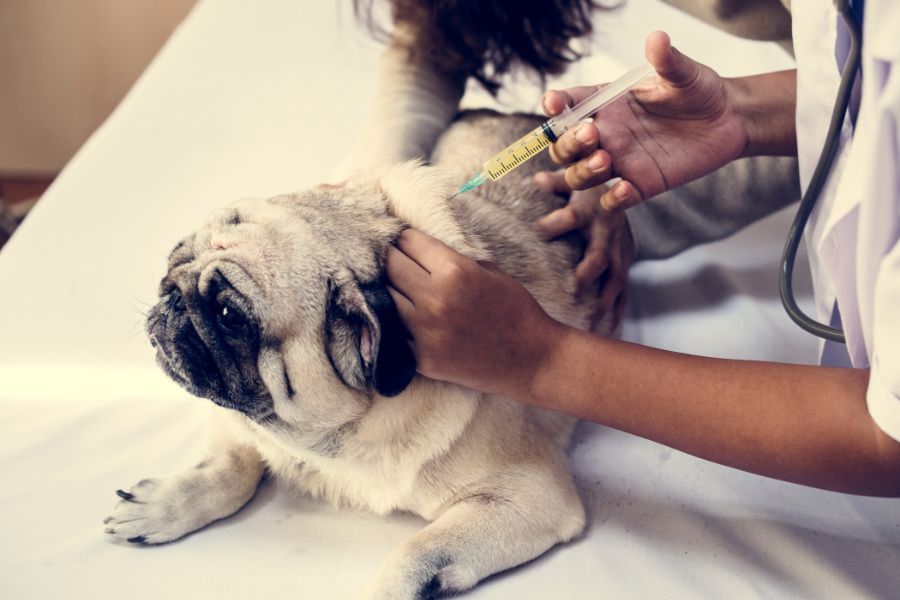
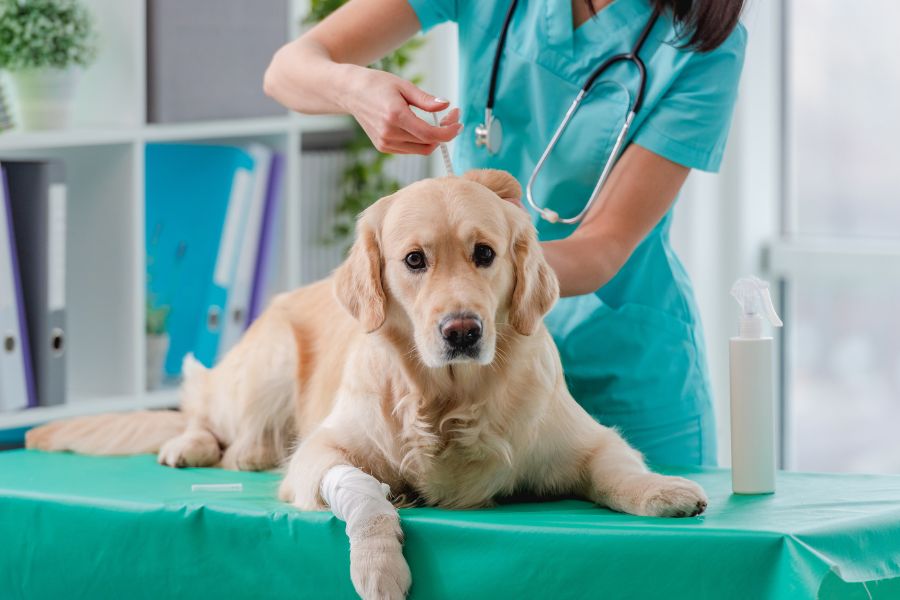
Keeping your pet healthy starts with prevention. Vaccines are one of the safest and most effective ways to protect cats and dogs from serious diseases. Not every pet lives the same lifestyle. An indoor cat has different risks than a dog that spends time in the backyard, at dog parks, or on hiking trails. That’s why lifestyle-based vaccination is so important. Instead of using a one-size-fits-all schedule, your veterinarian considers your pet’s daily activities, environment, age, and overall health before recommending pet vaccinations. This personalized approach helps protect your pet without over-vaccinating.
What Is Lifestyle-Based Vaccination?
Lifestyle-based vaccination means creating a vaccine plan based on how your pet lives.
Your veterinarian may ask questions like:
- Does your cat ever go outdoors?
- Does your dog visit boarding facilities or grooming salons?
- Do you travel with your pet?
- Is your yard fully fenced?
- Does your pet interact with wildlife?
These details help determine which vaccines are considered core (essential for all pets) and which are non-core (recommended based on risk). This approach ensures your pet gets the protection they need, no more and no less.
Core Vaccines for Cats and Dogs
Some vaccines are recommended for almost all pets because the diseases they prevent are severe, contagious, or legally required.
Core Vaccines for Dogs
- Rabies – Required by Virginia law. Protects against a fatal virus that affects the nervous system.
- Distemper (DHPP) – A combination vaccine that protects against:
- Canine distemper
- Adenovirus (hepatitis)
- Parvovirus
- Parainfluenza
These diseases can spread quickly and may be life-threatening, especially for puppies.
Core Vaccines for Cats
- Rabies – Also required by law in Virginia.
- FVRCP – Protects against:
- Feline viral rhinotracheitis
- Calicivirus
- Panleukopenia (feline distemper)
Even indoor cats should receive core vaccines because some viruses can enter your home on clothing, shoes, or through open windows.
Indoor Cats: Do They Really Need Vaccines?
Many pet owners believe indoor cats don’t need pet vaccinations. However, that’s not always true.
Why Indoor Cats Still Need Protection?
- You may bring viruses inside unknowingly.
- A repair worker or guest may leave a door open.
- Wildlife, like bats, can enter homes.
- Emergencies may require boarding.
In Leesburg, rabies vaccination is legally required for cats even if they stay indoors.
Non-Core Vaccines for Indoor Cats
Some indoor cats may benefit from additional vaccines if:
- They live with other cats.
- A new cat may be introduced.
- They occasionally go outside.
- They are boarded or groomed.
For example, the Feline Leukemia (FeLV) vaccine may be recommended for kittens or cats at risk of exposure. Personalized veterinary care in Leesburg ensures indoor cats stay protected without unnecessary treatments.
Backyard Dogs: Are They Really Low Risk?
Many dogs in Leesburg enjoy fenced yards. While that feels safe, backyard dogs can still face exposure risks.
Wildlife Risks in Virginia
Loudoun County has wildlife such as:
- Raccoons
- Foxes
- Skunks
- Deer
These animals can carry rabies and other diseases. Even if your dog never leaves the yard, wildlife may enter it. Standing water in yards can also expose dogs to Leptospirosis, a bacterial infection spread through contaminated water or soil.
Non-Core Vaccines for Backyard Dogs
Your veterinarian may recommend:
- Leptospirosis – Especially important in areas with wildlife and water exposure.
- Bordetella (Kennel Cough) – If your dog is groomed, boarded, or social.
- Lyme Disease – Common in Virginia due to ticks.
- Canine Influenza – For dogs that visit daycare or dog parks.
A lifestyle discussion during your pet’s wellness visit helps determine which of these are appropriate.
Puppies and Kittens: Building Early Protection
Young pets are especially vulnerable to disease. Puppies and kittens receive a series of vaccines starting around 6–8 weeks of age.
Why Multiple Doses?
Maternal antibodies from the mother can interfere with early vaccines. A series ensures strong, lasting immunity.
Your veterinarian will create a schedule tailored to:
- Your pet’s age
- Breed
- Environment
- Exposure risk
Completing the full vaccine series is essential for strong protection.
Adult Pets: Staying Up to Date
Vaccines are not “one and done.” Some require boosters:
- Annually
- Every three years
- Based on risk and vaccine type
Skipping boosters can leave your pet vulnerable. Regular wellness exams at North Oatlands Animal Hospital help ensure your pet’s protection stays current.
Senior Pets: Do Older Pets Still Need Vaccines?
Yes, senior pets also need necessary vaccinations, but their needs may change.
As pets age:
- Their immune systems may weaken.
- They may develop chronic conditions.
- Their lifestyles sometimes become less active.
A senior indoor cat may need a different vaccine schedule than a young outdoor dog. Routine veterinary care in Leesburg allows your veterinarian to safely adjust vaccines as your pet ages.
Why Vaccination Matters?
Leesburg and the surrounding areas offer beautiful parks, trails, and outdoor spaces. While this is great for pets, it also increases exposure to:
- Ticks carrying Lyme disease
- Wildlife carrying rabies
- Contaminated water sources
- Other pets at community events
Local disease risks play an important role in determining pet vaccinations. A customized plan helps ensure your pet is protected from diseases common in Northern Virginia.
Are Vaccines Safe?
Modern pet vaccines are very safe and carefully tested. Most pets experience little to no side effects.
Possible mild reactions may include:
- Slight soreness at the injection site
- Mild tiredness
- Low-grade fever
Severe reactions are rare; your veterinary team monitors your pet’s health history and adjusts recommendations accordingly. If your pet has had a reaction in the past, your veterinarian can modify the plan safely.
The Role of Wellness Exams in Vaccination Planning
Vaccines should never be given without a physical exam. A full wellness visit allows your veterinarian to:
- Check overall health
- Detect early illness
- Update lifestyle changes
- Discuss parasite prevention
- Adjust vaccine schedules
Preventive veterinary care in Leesburg goes beyond shots; it’s about keeping your pet healthy long-term.
How to Know What Your Pet Needs
The best way to determine the right vaccine plan is through conversation. Be prepared to discuss:
- Travel plans
- Boarding needs
- Grooming visits
- Outdoor access
- Wildlife sightings
- Household changes
Honest communication ensures the most accurate recommendations.
A Preventive Care Strategy That Grows With Your Pet
Vaccination is not a single event; it’s part of an ongoing health strategy. As your pet’s lifestyle changes, their vaccine needs may also change. Each change can influence your pet’s risk level.
At North Oatlands Animal Hospital in Leesburg, VA, our team provides thoughtful, customized pet vaccinations and comprehensive veterinary care in Leesburg designed around real-life risks. Protecting indoor cats and backyard dogs starts with understanding how they live and building a prevention plan that fits.
FAQs
1. Do indoor cats really need rabies vaccines in Virginia?
Ans: Yes, rabies vaccination is legally required in Virginia, even for indoor cats. Wildlife exposure and accidental escapes can still occur.
2. How often does my dog need vaccines?
Ans: It depends on the vaccine. Some require annual boosters, while others are given every three years. Your veterinarian will create a personalized schedule.
3. Is the Lyme vaccine necessary in Leesburg, VA?
Ans: Lyme disease is common in Virginia due to ticks. Dogs that spend time outdoors often benefit from the Lyme vaccine.
4. Can my pet get sick from vaccines?
Ans: Serious reactions are rare. Most pets may experience mild soreness or temporary tiredness. Vaccines are extensively tested for safety.
5. What happens if my pet misses a booster?
Ans: If too much time passes, your pet may need to restart part of the vaccine series. Contact your veterinarian to determine the best next step.
6. Are vaccine schedules different for senior pets?
Ans: Yes, senior pets may have adjusted schedules based on their health and lifestyle. Regular wellness exams help determine what’s appropriate.