


Seeing your pet limp can be worrying, especially when they do not seem to be in obvious pain. Many pet owners assume that if their dog or cat is not crying, the injury is minor. However, animals often hide pain instinctively, and a limp can be an early sign of an injury or underlying health issue. Understanding why your pet is limping but not crying can help you determine when home monitoring is appropriate and when immediate veterinary care is needed. This guide explains the common causes of limping, warning signs that require urgent care, and how to help your pet recover safely.
Why Is My Pet Limping But Not Crying
A limp simply means your pet is favoring one leg or avoiding putting full weight on it. Even if your pet seems comfortable, the cause could range from a mild strain to a more serious orthopedic condition.
Animals often mask discomfort, making it difficult to judge the severity of an injury based on behavior alone.
Common reasons for limping include:
- Muscle strains or sprains
- Minor cuts or bruises
- Foreign objects lodged in the paw
- Torn nails
- Joint injuries
- Ligament damage
- Arthritis
- Bone fractures
- Growth-related orthopedic conditions
- Soft tissue injuries
The absence of crying does not necessarily mean your pet is pain-free.
Common Causes of Limping in Pets
Muscle Strains and Sprains
Active pets can overstretch muscles or ligaments while running, jumping, or playing. Mild strains may improve with rest over a few days, but persistent limping should be evaluated by a veterinarian.
Paw Injuries
A small thorn, splinter, cracked paw pad, or torn nail can make walking uncomfortable. Carefully inspect your pet’s paw for visible injuries, but avoid removing deeply embedded objects yourself.
Joint Problems
Joint conditions can develop gradually and cause intermittent limping.
Signs may include:
- Stiffness after resting
- Difficulty getting up
- Reduced activity
- Hesitation when climbing stairs
These symptoms often become more noticeable with age but can also affect younger pets.
Ligament Injuries
Ligament injuries, particularly in dogs, can cause sudden limping after exercise. Pets may initially continue walking but avoid putting full weight on the affected leg.
Without proper treatment, these injuries can worsen over time.
Bone Fractures
Not every fracture causes loud vocalization. Small or stable fractures may only cause limping and reluctance to use the affected limb.
A fracture should always be considered if limping begins suddenly after trauma.
Signs That Your Pet Needs Urgent Care
While some mild limps improve with rest, certain symptoms require immediate veterinary attention.
Seek urgent care if your pet:
- Cannot bear weight on the affected leg
- Has severe swelling
- Has a visibly crooked or unstable limb
- Experiences heavy bleeding
- Has an open wound exposing tissue or bone
- Cries out when the limb is touched
- Develops limping after being hit by a vehicle or falling from a height
- Becomes lethargic or unusually quiet
- Has difficulty breathing after an injury
- Shows signs of severe pain despite remaining quiet
Prompt urgent care can help prevent complications and improve recovery.
When Can You Monitor Your Pet at Home
Home monitoring may be appropriate if:
- The limp is mild
- Your pet continues eating and drinking normally
- They can still place some weight on the leg
- No swelling or wounds are present
- The limp improves within 24 to 48 hours
Even with mild symptoms, limit your pet’s activity and avoid vigorous exercise until the limp resolves.
If the limp persists beyond two days or worsens, schedule a veterinary examination.
What You Should Do at Home
If your pet is limping but appears comfortable, you can take several simple steps while arranging veterinary advice if needed.
Restrict Activity
Prevent running, jumping, and rough play. Short leash walks for bathroom breaks are generally best for dogs during recovery.
Examine the Paw
Look for:
- Cuts
- Swelling
- Broken nails
- Splinters
- Embedded debris
- Redness between the toes
Be gentle during the examination, as painful areas may cause your pet to pull away.
Keep Your Pet Comfortable
Provide a quiet area with soft bedding where your pet can rest without unnecessary movement.
Avoid Human Pain Medications
Never give over-the-counter pain medications intended for people unless specifically instructed by your veterinarian. Some medications that are safe for humans can be dangerous for pets.
How Veterinarians Diagnose Limping
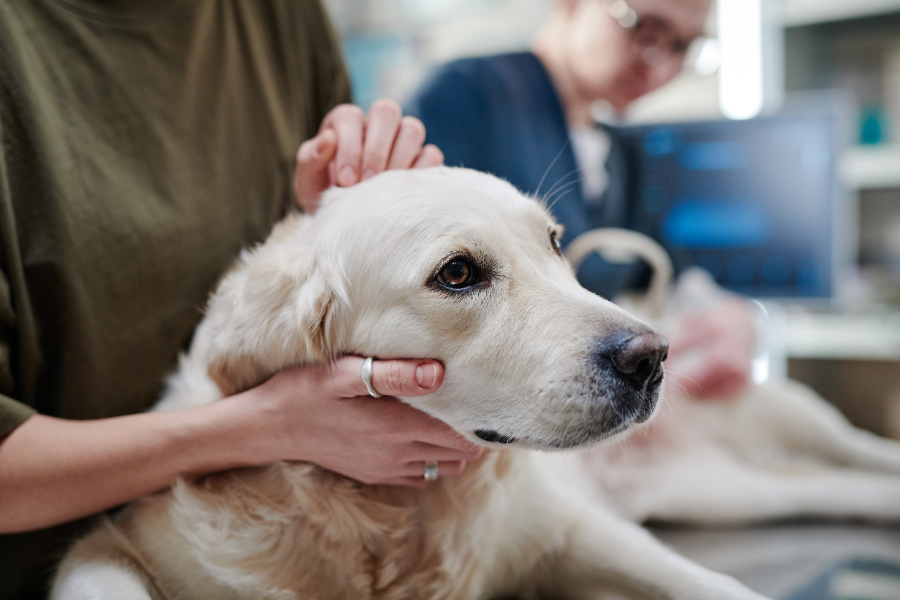
Your veterinarian in Leesburg performs a thorough examination to identify the source of the problem.
The evaluation may include:
- Physical examination
- Joint manipulation
- Neurological assessment
- Gait observation
- Imaging studies if needed
- Laboratory testing when underlying illness is suspected
An accurate diagnosis helps guide the most effective treatment plan.
Treatment Depends on the Cause
Treatment varies depending on the underlying reason for the limp.
Possible recommendations include:
- Rest and activity restriction
- Anti-inflammatory medications prescribed by your veterinarian
- Bandaging for minor wounds
- Physical rehabilitation
- Surgical treatment for certain orthopedic injuries
- Weight management for joint conditions
Following your veterinarian’s recommendations can improve healing and reduce the risk of long-term problems.
Preventing Future Limping Injuries
Although not every injury can be prevented, healthy habits reduce the risk.
Helpful prevention tips include:
- Maintain a healthy body weight
- Exercise regularly without overexertion
- Keep nails properly trimmed
- Inspect paws after outdoor activities
- Use non-slip flooring when possible
- Supervise energetic play
- Schedule routine wellness examinations
Early detection of joint or orthopedic problems often leads to better outcomes.
Conclusion
If your pet is limping but not crying, it is important not to assume the injury is minor. Pets naturally hide pain, and even a mild limp can indicate an issue that deserves attention. Monitoring mild cases is sometimes appropriate, but persistent limping, inability to bear weight, swelling, or signs of trauma should never be ignored. If you are concerned about your pet’s mobility, call us at (703) 777-7781 or schedule an appointment with North Oatlands Animal Hospital in Leesburg, VA, where our veterinary team can identify the cause and recommend the most appropriate treatment.
FAQs
Q1: Why is my pet limping but acting normal?
Pets often hide discomfort, so they may continue eating, playing, and behaving normally despite an injury. A veterinary examination can determine the underlying cause if the limp persists.
Q2: How long should I wait before taking my limping pet to the veterinarian?
If the limp is mild and improves within 24 to 48 hours, home monitoring may be reasonable. If it continues, worsens, or your pet cannot bear weight, seek veterinary care promptly.
Q3: Can a pet have a broken bone without crying?
Yes. Some fractures cause limping without obvious vocalization, especially if they are stable or small. Any sudden limp after trauma should be evaluated by a veterinarian.
Q4: Should I let my pet continue exercising if they are limping?
No. Restrict activity until the cause of the limp is identified. Continued exercise can worsen certain injuries.
Q5: What should I check first if my pet suddenly starts limping?
Start by gently examining the affected paw for cuts, swelling, torn nails, splinters, or other visible injuries. If you cannot identify the cause or your pet’s limp persists, schedule a veterinary examination.