



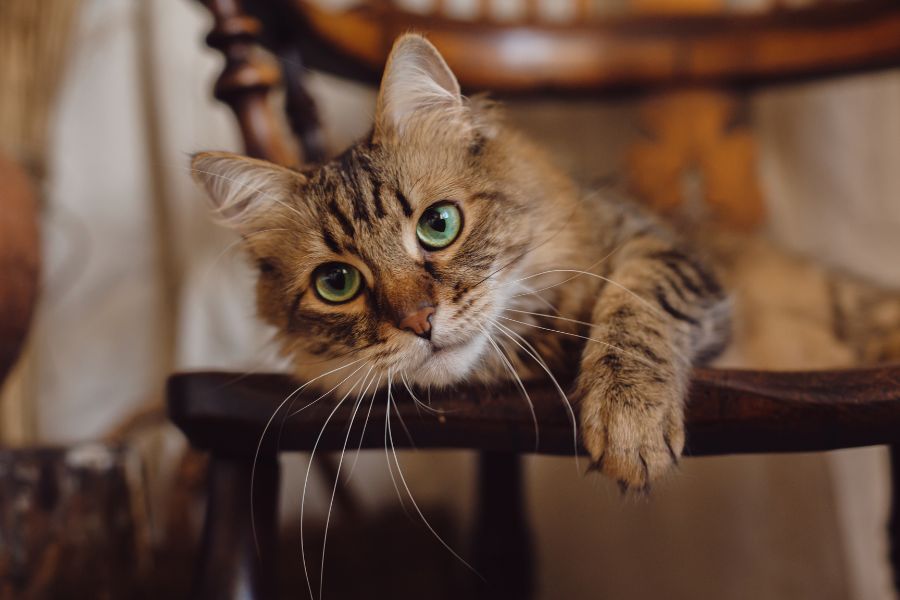
Watching your cat ignore food for two days can feel frightening. Many cats skip one meal without serious trouble, but refusing food for 48 hours is different. My cat stopped eating for 2 days becomes urgent because cats can become sick quickly when they do not eat. At North Oatlands Animal Hospital in Leesburg, VA, pet owners often ask whether waiting another day is safe. In many cases, early veterinary care makes treatment easier and helps prevent complications. This guide explains why cats stop eating, warning signs to watch for, what you can safely do at home, and when your cat needs immediate medical attention.
Why Is My Cat Not Eating for 2 Days, Should I Go to Urgent Vet Visit
Yes. If your cat has not eaten for about 48 hours, schedule veterinary care as soon as possible. Cats depend on regular food intake to keep their liver working properly. Going too long without eating can lead to serious illness, especially in overweight cats, kittens, and senior cats.
Loss of appetite is not disease itself. It is a symptom that something else may be wrong. The cause could be mild stomach upset or a serious condition needing immediate treatment. Because many cats hide illness well, refusing food may be the first obvious warning sign.
Seek urgent care immediately if loss of appetite happens with:
- Vomiting several times
- Trouble breathing
- Extreme weakness
- Collapse
- Pale gums
- Difficulty urinating
- Poison exposure
- Swollen abdomen
- Blood in vomit or stool
Prompt examination gives veterinarian best chance to find cause before condition becomes worse.
What Causes Cats to Stop Eating
Many conditions can reduce appetite. Some improve quickly. Others become emergencies without treatment.
Common causes include:
- Dental disease or broken teeth
- Mouth sores
- Stomach irritation
- Foreign object blockage
- Kidney disease
- Liver disease
- Pancreatitis
- Fever or infection
- Stress from travel, visitors, or moving
- Pain from injury
- Cancer
- Side effects from medications
Cats also rely heavily on smell. Nasal congestion from respiratory illness may make food less appealing even when they feel hungry.
Young kittens, diabetic cats, older cats, and cats with chronic illness have greater risk when appetite suddenly disappears. Waiting several days can make recovery more difficult.
Signs and Symptoms to Watch For
Loss of appetite rarely appears alone. Watch entire behavior instead of the food bowl only.
Signs that need attention include:
- Drinking much less or much more
- Weight loss
- Hiding more than usual
- Sleeping excessively
- Drooling
- Bad breath
- Vomiting
- Diarrhea
- Constipation
- Trouble swallowing
- Yellow eyes or gums
- Crying when touched
- Labored breathing
Small behavior changes often help the veterinarian narrow possible causes.
Keep notes before appointment:
- Last full meal.
- Water intake.
- Vomiting or diarrhea.
- New foods or treats.
- Current medications.
- Possible toxin exposure.
- Litter box changes.
These details help the diagnosis move faster.
How Vets Diagnose and Treat Cats That Stop Eating
The veterinarian starts with a complete physical examination. Weight, temperature, hydration, mouth, abdomen, heart, and lungs all help identify possible causes. Depending on findings, diagnostic tests may include blood work, urine testing, X-rays, ultrasound, or other imaging.
Treatment depends on diagnosis. Your cat may need:
- Fluids for dehydration
- Anti-nausea medication
- Pain relief
- Appetite stimulants
- Nutritional support
- Treatment for infection
- Surgery if a foreign object blocks the digestive tract
- Hospital care for severe illness
A realistic example involves an adult cat brought in after refusing food for two days and becoming unusually quiet. During examination found signs of dehydration and abdominal discomfort. Diagnostic testing ruled out an intestinal blockage and confirmed pancreatitis. After fluids, pain management, nausea control, and supportive care, the cat gradually began eating again over the next few days. Early treatment helped prevent more serious complications.
What Pet Owners Can Do at Home
Home care should never replace veterinary treatment after two days without eating, but small steps may encourage appetite while waiting for an appointment.
Try:
- Offer fresh water at all times.
- Warm canned food slightly to improve smell.
- Serve small portions more often.
- Keep feeding area quiet and stress-free.
- Clean food bowls thoroughly.
- Monitor litter box activity.
Avoid:
- Force feeding.
- Giving human medications.
- Changing diets repeatedly.
- Waiting several more days hoping appetite returns.
- Offering toxic human foods.
Write down everything your cat eats and drinks. Even small changes help the veterinarian understand progression.
When Should Loss of Appetite Become an Issue of Concern
Some situations need immediate veterinary care instead of waiting for a regular appointment.
Seek urgent care if your cat:
- Has not eaten for about 48 hours.
- Cannot keep water down.
- Repeatedly vomits.
- Has severe diarrhea.
- Has difficulty breathing.
- Strains to urinate or cannot urinate.
- Shows yellow gums or eyes.
- Becomes weak, collapses, or cannot stand.
- May have swallowed string, toys, or other foreign objects.
- May have eaten poisonous plants, medications, or chemicals.
Kittens, pregnant cats, senior cats, and cats with chronic medical conditions should be examined even sooner because dehydration and low energy develop faster.
Conclusion
If you find yourself thinking that your cat stopped eating for 2 days, do not ignore it. Appetite loss lasting 48 hours often signals a medical problem that needs prompt, urgent care. Early diagnosis improves chances for faster recovery and reduces risk of serious complications. If your cat refuses food, acts unusually quiet, or develops vomiting, weakness, or other warning signs, call us at (703) 777-7781 or schedule an appointment with North Oatlands Animal Hospital, Leesburg, VA as soon as possible. Quick action today may make all the difference in your cat’s recovery.
FAQs
Q1: Is it normal for a cat not to eat for 2 days?
A: No. Most cats should be examined if they have gone about 48 hours without eating. Longer periods increase the risk of serious illness.
Q2: Why is my cat drinking water but not eating?
A: Dental pain, stomach disease, kidney problems, infections, stress, and many other conditions can reduce appetite while drinking continues. Veterinary examination helps identify the cause.
Q3: Can stress make my cat stop eating?
A: Yes. Moving, travel, new pets, visitors, or changes in routine can reduce appetite. If refusal lasts beyond one day or other symptoms develop, seek veterinary care.
Q4: Should I force feed my cat?
A: No. Force feeding can increase stress and may be unsafe. Speak with a veterinarian before trying nutritional support at home.
Q5: When should I take my cat to urgent vet?
A: Go immediately if your cat has not eaten for two days, has repeated vomiting, trouble breathing, weakness, cannot urinate, or may have swallowed something dangerous.