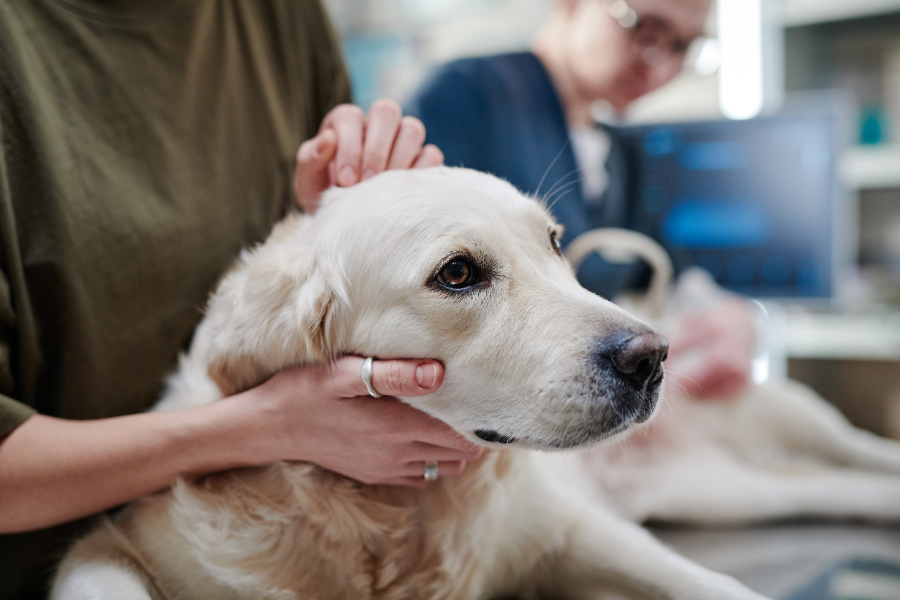




Pets cannot tell us when something is seriously wrong. Instead, they communicate through changes in breathing, behavior, appetite, movement, and other physical signs. While some illnesses can safely wait for a scheduled appointment, others require immediate medical attention. Knowing the difference can help protect your pet’s health and, in some situations, save their life. Urgent veterinary care is important whenever your dog or cat develops symptoms that could quickly become life-threatening. This guide explains the most important symptoms that should never be ignored, why they happen, and what you should do next.
What Warning Signs Mean My Pet Needs Urgent Veterinary Care
Some symptoms should always be treated as urgent because they may indicate serious illness, injury, or organ failure. These include difficulty breathing, repeated unsuccessful attempts to urinate, collapse, uncontrolled bleeding, seizures, severe vomiting or diarrhea, major injuries, and sudden inability to walk.
The severity of an illness is not always obvious. Some pets remain quiet even when they are critically ill, while others become restless or hide.
| Warning Sign | Why It Is Concerning |
| Difficulty breathing | Oxygen delivery may be affected |
| Collapse | May indicate severe illness or poor circulation |
| Repeated vomiting | Can lead to dehydration and serious disease |
| Unable to urinate | Possible urinary obstruction |
| Severe bleeding | Blood loss can become life-threatening |
| Seizures | Brain function is being affected |
| Major trauma | Internal injuries may not be visible |
| Sudden inability to walk | Neurologic or orthopedic emergency |
When several warning signs occur together, the need for urgent evaluation becomes even greater.
1. Difficulty Breathing
Breathing problems should never be monitored at home for long. If your pet is struggling to breathe, breathing with significant effort, or breathing much faster than normal while resting, immediate veterinary attention is appropriate.
Watch for:
- Open-mouth breathing in cats
- Blue or gray gums
- Neck stretched forward
- Belly working hard during breathing
- Loud breathing sounds
- Severe panting without exercise
- Restlessness caused by breathing discomfort
Easy Scientific Explanation
Every breath allows oxygen to move into the bloodstream through tiny air sacs inside the lungs.
If the lungs cannot move enough oxygen, or if the heart cannot circulate oxygen-rich blood efficiently, organs throughout the body may begin receiving less oxygen than they need.
| Normal Breathing | Breathing Emergency |
| Comfortable breathing | Obvious breathing effort |
| Normal oxygen delivery | Reduced oxygen delivery |
| Pet relaxes easily | Pet struggles to get comfortable |
Difficulty breathing is always more important than coughing alone.
2. Collapse or Sudden Weakness
A pet that suddenly collapses, faints, or cannot stand normally requires prompt veterinary evaluation.
Possible causes include:
- Heart disease
- Severe blood loss
- Heat-related illness
- Low blood sugar
- Neurologic disease
- Severe infections
- Toxic exposure
- Shock
Some pets recover quickly after collapsing, but this does not mean the underlying problem has resolved.
Easy Scientific Explanation
The brain constantly needs oxygen and nutrients delivered by circulating blood.
If circulation suddenly decreases, the brain cannot function normally, causing weakness or loss of consciousness.
| Body Change | Possible Result |
| Blood flow decreases | The brain receives less oxygen |
| Brain function changes | Weakness or collapse |
| Severe circulation problem | Life-threatening emergency |
Never assume collapse is simply caused by old age.
3. Repeated Vomiting or Severe Diarrhea
Occasional stomach upset may improve without emergency treatment, but repeated vomiting, severe diarrhea, or both together deserve prompt attention.
Urgent warning signs include:
- Vomiting many times
- Blood in vomit
- Blood in diarrhea
- Unable to keep water down
- Extreme weakness
- Collapse
- Abdominal pain
- Severe dehydration
Young puppies, kittens, senior pets, and pets with chronic medical conditions may become dehydrated much faster.
Easy Scientific Explanation
Vomiting and diarrhea remove water from the body faster than normal.
As dehydration worsens, blood volume decreases, and organs receive less circulation.
| Fluid Loss | Possible Effect |
| Mild | Increased thirst |
| Moderate | Weakness and reduced energy |
| Severe | Poor circulation and organ dysfunction |
The longer severe vomiting continues, the greater the risk of dehydration and electrolyte imbalance.
4. Your Pet Cannot Urinate
Repeated attempts to urinate without producing urine should never be ignored.
This is especially important in male cats, which are at higher risk for complete urinary obstruction.
Warning signs include:
- Frequent squatting
- Little or no urine
- Crying while trying to urinate
- Blood in urine
- Vomiting
- Weakness
- Restlessness
Easy Scientific Explanation
The kidneys continuously produce urine.
If urine cannot leave the body because the urethra is blocked, waste products remain in the bloodstream while pressure builds inside the urinary system.
| Normal Urination | Blocked Urination |
| Waste leaves the body | Waste remains inside |
| Bladder empties | Bladder becomes overly full |
| Electrolytes remain balanced | Dangerous imbalances may develop |
Complete urinary obstruction is considered a medical emergency.
5. Seizures or Severe Neurologic Changes
A seizure can appear frightening, but remaining calm helps protect your pet.
Possible seizure signs include:
- Falling over
- Body stiffening
- Paddling movements
- Drooling
- Loss of awareness
- Confusion afterward
Do not place your hands inside your pet’s mouth during a seizure.
Seek urgent care if:
- The seizure lasts several minutes.
- Multiple seizures occur.
- Your pet does not recover normally.
- Breathing remains abnormal afterward.
Neurologic emergencies can have many causes, including toxins, metabolic disorders, infections, trauma, and brain disease.
6. Major Injuries or Trauma
Even if your pet appears to be walking normally after an accident, internal injuries may not be obvious.
Seek prompt evaluation after:
- Being hit by a vehicle
- Falling from a significant height
- Animal attacks
- Severe bite wounds
- Penetrating injuries
- Heavy bleeding
Some injuries become more serious over several hours.
Easy Scientific Explanation
A cut on the skin is easy to see.
Internal injuries are different because bleeding or organ damage may occur beneath the skin without obvious external signs.
| Visible Injury | Hidden Injury |
| Bleeding cut | Internal bleeding |
| Broken nail | Internal organ damage |
| Skin wound | Chest or abdominal injury |
External appearance does not always reflect the seriousness of trauma.
7. Exposure to Toxic Substances
Many household products, medications, foods, and plants can be dangerous to pets.
Examples include:
- Human medications
- Certain foods
- Rodenticides
- Automotive fluids
- Household cleaners
- Some plants
- Chocolate
- Xylitol-containing products
Do not wait for symptoms if you know your pet has consumed a potentially toxic substance.
Early treatment often improves outcomes.
8. Severe Pain
Pain may appear differently in dogs and cats.
Watch for:
- Crying
- Trembling
- Hiding
- Aggression when touched
- Refusing to move
- Panting without exercise
- Restlessness
- Loss of appetite
Cats often hide pain much better than dogs.
Any sudden, severe pain deserves prompt veterinary evaluation.
How Do Veterinarians Determine Whether It Is an Emergency?
Veterinarians first evaluate the pet’s breathing, circulation, and level of consciousness.
Depending on the condition, diagnostic tests may include:
- Bloodwork
- Urinalysis
- X-rays
- Ultrasound
- Electrocardiogram
- Blood pressure measurement
- Oxygen monitoring
The goal is to identify life-threatening problems quickly while stabilizing the patient.
Easy Scientific Explanation
Veterinary teams often begin with the body’s most important systems.
| Body System | First Question |
| Airway | Can the pet breathe? |
| Breathing | Is enough oxygen reaching the body? |
| Circulation | Is blood moving normally? |
| Brain | Is the pet responsive? |
This organized approach helps prioritize the most urgent problems first.
What Should Pet Owners Do Before Arriving?
If possible:
- Call the veterinary hospital.
- Keep your pet calm.
- Avoid giving human medications.
- Bring medication information.
- Bring any suspected toxin packaging.
- Use a towel or blanket for injured pets.
- Keep cats safely inside a carrier.
- Transport dogs securely.
Avoid delaying care while searching online for home remedies.
Hypothetical Example
Imagine a Labrador named Cooper who suddenly begins breathing rapidly after playing outside. His family notices that he refuses to lie down, his breathing appears unusually labored, and he becomes weak while walking to the car. Rather than waiting to see if he improves, they bring him to the veterinary hospital immediately. Examination identifies a serious medical condition requiring prompt stabilization and treatment. This hypothetical example demonstrates how recognizing breathing changes early can help a pet receive care before the condition worsens.
Can Some Symptoms Wait Until Tomorrow?
Some mild concerns can be monitored with veterinary guidance, but serious symptoms should never be delayed.
Generally, seek urgent care if your pet has:
- Difficulty breathing
- Collapse
- Severe trauma
- Repeated unsuccessful attempts to urinate
- Continuous seizures
- Heavy bleeding
- Severe vomiting with weakness
- Extreme lethargy
- Blue, gray, or very pale gums
When in doubt, contacting a veterinary hospital is safer than assuming symptoms will resolve on their own.
Conclusion
Recognizing the warning signs of serious illness allows pet owners to act before conditions become more dangerous. Difficulty breathing, collapse, repeated vomiting, inability to urinate, seizures, severe injuries, toxin exposure, and significant pain all deserve prompt veterinary attention. While not every symptom means a life-threatening emergency, delaying evaluation can allow some conditions to worsen rapidly. Trust your instincts if your pet seems seriously ill or behaves very differently than normal. If you notice any of these warning signs, seek urgent veterinary care without delay. Call us at (703) 777-7781 or schedule an appointment with North Oatlands Animal Hospital to evaluate concerning symptoms and help determine the best care for your pet.
FAQs
Q1: What symptoms mean my pet needs urgent veterinary care?
Ans: Difficulty breathing, collapse, repeated unsuccessful attempts to urinate, severe vomiting, seizures, heavy bleeding, and major trauma are among the most important warning signs requiring prompt veterinary evaluation.
Q2: Should I wait if my pet seems a little better after collapsing?
Ans: No. Even if your pet appears to recover, collapse can indicate serious heart, neurologic, or metabolic disease and should be evaluated as soon as possible.
Q3: Is vomiting always an emergency?
Ans: Not always. However, repeated vomiting, blood in vomit, severe weakness, dehydration, or vomiting combined with diarrhea requires prompt veterinary assessment.
Q4: When is trouble breathing considered an emergency?
Ans: Any obvious breathing difficulty, open-mouth breathing in cats, blue or gray gums, or severe breathing effort should be treated as an emergency.
Q5: What should I do before bringing my pet for urgent care?
Ans: Keep your pet calm, call the veterinary hospital if possible, avoid giving human medications, and safely transport your pet using a secure carrier or supportive blanket if needed.