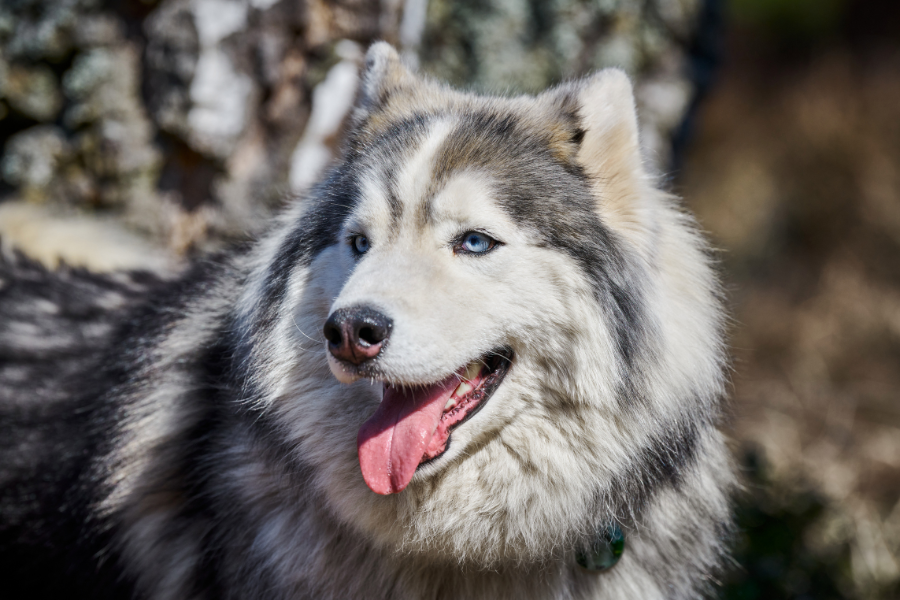




Valley Fever is a fungal infection that can affect pets after they inhale microscopic fungal spores from contaminated soil or dust. Dogs are diagnosed more often than cats, but both can develop the infection and may show symptoms ranging from mild coughing to more serious illness. Recognizing Valley Fever in pets can be difficult because early signs may look like other common illnesses. At North Oatlands Animal Hospital, Leesburg, VA, we help pet owners understand unusual symptoms and determine when veterinary evaluation is needed. This guide explains what Valley Fever is, how pets become exposed, which symptoms to watch for, and when your pet may need urgent veterinary care.
What Is Valley Fever in Pets?
Valley Fever is a fungal infection caused by Coccidioides organisms that live in certain types of soil. Pets usually become infected after inhaling fungal spores that become airborne when soil or dust is disturbed.
The infection often begins in the respiratory system because the spores enter through the nose and reach the lungs.
In some pets, the infection may remain relatively mild. In others, it can spread beyond the lungs and affect different parts of the body.
Possible areas affected include:
- Lungs
- Lymph nodes
- Bones
- Joints
- Skin
- Eyes
- Nervous system
The severity depends on the individual pet and how the infection develops.
How Do Dogs and Cats Get Valley Fever?
Pets generally become exposed through their environment rather than through direct contact with another infected animal.
Risk can increase when pets:
- Dig in dry soil
- Sniff disturbed ground
- Run through dusty areas
- Explore construction sites
- Spend time outdoors in dusty environments
- Live in or travel through areas where Coccidioides organisms are present
Dogs that frequently dig or sniff the ground may have more opportunities to inhale spores.
Cats can also become infected, although Valley Fever is diagnosed less often in cats.
What Are the Early Signs of Valley Fever?
Early symptoms can be subtle and may resemble other respiratory or systemic illnesses.
Common signs include:
- Persistent coughing
- Fever
- Reduced energy
- Decreased appetite
- Weight loss
- Nasal discharge
- Rapid breathing
- General weakness
A cough that does not improve, particularly when combined with fever or reduced energy, should not be ignored. Your veterinarian may need to consider several possible causes before determining whether Valley Fever could be involved.
What Happens If Valley Fever Spreads?
In some pets, the infection can spread from the lungs to other tissues.
This is sometimes called disseminated disease.
Signs can vary depending on the organs involved.
If joints or bones are affected:
- Limping
- Stiffness
- Pain
- Swollen joints
- Reluctance to move
If the skin is affected:
- Lumps
- Swelling
- Non-healing sores
- Draining lesions
If the eyes are affected:
- Redness
- Squinting
- Eye discharge
- Changes in vision
If the nervous system is affected:
- Difficulty walking
- Loss of coordination
- Seizures
- Changes in behavior
- Weakness
These symptoms warrant prompt veterinary evaluation.
Can Cats Get Valley Fever?
Yes. Cats can develop Valley Fever, although reported cases are less common than in dogs.
Cats may show different symptoms depending on which part of the body is affected.
Possible signs include:
- Skin lesions
- Swelling beneath the skin
- Enlarged lymph nodes
- Persistent respiratory symptoms
- Fever
- Reduced appetite
- Weight loss
- Lethargy
- Eye problems
Because cats are often skilled at hiding signs of illness, subtle changes in behavior or appetite can be important.
How Do Veterinarians Diagnose Valley Fever?
Valley Fever cannot usually be diagnosed from one symptom alone.
Your veterinarian may consider:
- Your pet’s symptoms
- Physical examination findings
- Outdoor exposure
- Travel history
- Blood testing
- Imaging
- Fungal-specific testing
- Additional tests based on affected organs
Tell your veterinarian if your pet has recently traveled to or lived in an area where Valley Fever is found.
Environmental and travel history can provide useful information when investigating persistent respiratory or systemic symptoms.
How Is Valley Fever Treated in Pets?
Treatment depends on the severity of infection and which parts of the body are affected.
Veterinarians may prescribe antifungal medication for pets diagnosed with Valley Fever. Treatment can take an extended period, and some pets require regular monitoring.
Your veterinarian may monitor:
- Appetite
- Body weight
- Energy level
- Coughing
- Breathing
- Blood test results
- Medication response
- Symptoms involving other organs
Follow your veterinarian’s medication instructions carefully. Do not stop treatment simply because your pet appears to be feeling better.
Hypothetical Example: When Symptoms Become More Concerning
Imagine a dog named Riley who develops a persistent cough and seems unusually tired. His family initially assumes he has a minor respiratory illness, but over the following weeks, Riley loses weight and begins limping on one leg.
During a veterinary evaluation, the combination of respiratory symptoms, weight loss, and lameness raises concern for an infection that may be affecting more than the lungs. Further testing is recommended, and Valley Fever becomes an important consideration.
This hypothetical example shows why multiple unexplained symptoms occurring together deserve veterinary attention.
What Can Pet Owners Do to Reduce Exposure?
It is difficult to completely prevent exposure to environmental fungal spores, especially for pets that spend time outdoors.
However, you can reduce unnecessary exposure to dusty environments.
Helpful steps include:
- Limit digging in dry soil.
- Keep pets away from active construction areas.
- Avoid heavily dusty outdoor locations when possible.
- Reduce exposure to blowing dust.
- Keep outdoor areas reasonably maintained.
- Monitor your pet for persistent respiratory symptoms.
- Tell your veterinarian about relevant travel history.
These measures cannot eliminate the risk, but they may reduce opportunities for heavy exposure.
When Is Valley Fever a Sign Your Pet Needs Urgent Care?
Not every pet with Valley Fever requires urgent treatment. However, certain symptoms can indicate that the illness is becoming more serious.
Seek urgent veterinary care if your pet develops:
- Difficulty breathing
- Severe weakness
- Collapse
- Seizures
- Significant difficulty walking
- Loss of coordination
- Severe or rapidly worsening coughing
- Major changes in vision
- Severe dehydration
- Rapidly worsening symptoms
A pet showing neurologic changes, breathing difficulty, or collapse should be evaluated promptly.
Do not wait for severe symptoms to disappear on their own.
What Should You Do If You Suspect Valley Fever?
If your pet has persistent respiratory symptoms, unexplained weight loss, fever, lameness, or unusual skin or eye problems, schedule a veterinary evaluation.
Before the appointment, it can help to note:
- When symptoms first appeared
- Whether they are getting worse
- Recent travel
- Outdoor activities
- Changes in appetite
- Changes in weight
- Changes in energy
- Any new skin, eye, or mobility problems
These details can help your veterinarian understand the bigger picture.
Conclusion
Valley Fever is a fungal infection that pets can develop after inhaling spores from contaminated soil or dust. Dogs are affected more commonly, but cats can also develop the disease. Persistent coughing, fever, reduced appetite, weight loss, lameness, skin changes, eye problems, and neurologic symptoms can all warrant veterinary evaluation. Some pets may develop more serious disease when the infection spreads beyond the lungs. Difficulty breathing, collapse, seizures, severe weakness, or major coordination changes require urgent veterinary care. Call us at (703) 777-7781 or schedule an appointment with North Oatlands Animal Hospital, Leesburg, VA can help evaluate concerning symptoms and determine the appropriate next steps for your pet.
FAQs
Q1: What is Valley Fever in pets?
A: Valley Fever is a fungal infection caused by Coccidioides organisms found in certain soils. Pets usually become infected by inhaling microscopic spores that become airborne when contaminated soil or dust is disturbed.
Q2: What are the first signs of Valley Fever in dogs?
A: Common signs include persistent coughing, fever, low energy, reduced appetite, weight loss, and nasal discharge. Some dogs may later develop lameness or other symptoms if the infection spreads.
Q3: Can cats get Valley Fever?
A: Yes. Cats can develop Valley Fever, although it is diagnosed less often in cats than dogs. Possible signs include skin lesions, swelling, respiratory problems, fever, weight loss, and eye abnormalities.
Q4: Can Valley Fever spread to other parts of a pet’s body?
A: Yes. In some pets, the infection can spread beyond the lungs and affect the joints, bones, skin, eyes, or nervous system. Symptoms depend on which tissues become involved.
Q5: When does Valley Fever require urgent veterinary care?
A: Difficulty breathing, collapse, seizures, severe weakness, major coordination problems, or rapidly worsening symptoms require urgent veterinary attention. These signs can indicate more serious disease.