A pet skipping one meal may not always mean something is seriously wrong. But when your dog or cat suddenly refuses both food and water, especially along with vomiting, weakness, pain, or unusual behavior, it deserves close attention. A pet not eating or drinking can have many causes, from mild stomach upset to problems that need prompt veterinary care. At North Oatlands Animal Hospital in Leesburg, VA, understanding why your pet’s appetite or water intake has changed can help you respond at the right time. This guide explains common reasons pets stop eating or drinking, signs that should concern you, what a veterinarian may check, and when urgent care is the safest choice.
Why Is My Pet Not Eating or Drinking?
A pet that refuses both food and water may be dealing with illness, pain, nausea, stress, dehydration, or another medical problem. The concern becomes greater when the change is sudden, lasts longer than expected, or occurs with other symptoms.
Your pet’s normal eating and drinking habits provide useful clues about their health. A sudden change should not be ignored, particularly if your pet also seems tired, uncomfortable, confused, or unable to keep fluids down.
Several factors can affect appetite and water intake, including:
- Stomach or intestinal problems, such as nausea, inflammation, or an upset stomach
- Pain, including dental, abdominal, joint, or other sources of discomfort
- Foreign objects, which may interfere with digestion or cause an obstruction
- Kidney, liver, or other organ problems
- Infections or other illnesses
- Stress or environmental changes
- Medication side effects
- Exposure to harmful substances
- Severe dehydration
The reason matters because treatment depends on what is causing the change. Offering different foods may help with a minor appetite change, but it will not correct an underlying medical condition.
What Causes a Pet to Stop Eating or Drinking?
Loss of appetite can happen for simple reasons, but it can also be an early sign that your pet is becoming sick. Drinking less can be especially concerning because dehydration can develop when your pet loses fluids through vomiting or diarrhea and does not replace them.
For example, a pet with stomach irritation may refuse breakfast but still drink normally and remain active. Another pet may refuse both food and water while becoming weak or repeatedly vomiting. Those situations require very different levels of attention.
Common causes include:
Nausea and digestive upset: Your pet may avoid food because eating makes them feel worse. Vomiting, diarrhea, lip licking, or excessive swallowing may occur.
Pain: Pets often hide discomfort. Dental pain, abdominal pain, injuries, and other painful conditions can cause a sudden drop in appetite.
Dental problems: A pet may approach food but stop eating because chewing hurts. Dropping food, chewing on one side, or avoiding hard food can provide additional clues.
Illness affecting internal organs: Problems involving the kidneys, liver, gastrointestinal tract, or other body systems may change both appetite and thirst.
Stress: Moving, boarding, changes in household routines, or unfamiliar surroundings can temporarily affect eating. However, stress should not automatically be assumed to be the cause when other symptoms are present.
Because there are so many possible causes, a persistent change deserves veterinary attention rather than prolonged guesswork.
What Signs Should I Watch For Besides Loss of Appetite?
When your pet is not eating or drinking, look at their overall behavior. Other symptoms can help your veterinarian determine how quickly your pet needs to be evaluated.
Pay particular attention to:
- Repeated vomiting or diarrhea
- Extreme tiredness or weakness
- Trouble standing or walking
- A swollen, painful, or tense abdomen
- Difficulty breathing
- Pale, gray, blue, or unusual-looking gums
- Heavy drooling or signs of mouth pain
- Repeated attempts to vomit without producing anything
- Confusion, collapse, or unusual responsiveness
- Little or no urination
- Blood in vomit or stool
- Possible exposure to a toxic substance or swallowed object
The combination of symptoms is often more important than appetite loss alone. A pet that skips a meal but remains bright, comfortable, and hydrated may need monitoring, while a pet refusing food and water with weakness or repeated vomiting may need urgent veterinary care.
Keep track of when your pet last ate and drank, along with any vomiting, diarrhea, urination, bowel movements, or behavior changes. These details can be very helpful during the veterinary visit.
How Does a Veterinarian Diagnose a Pet That Is Not Eating or Drinking?
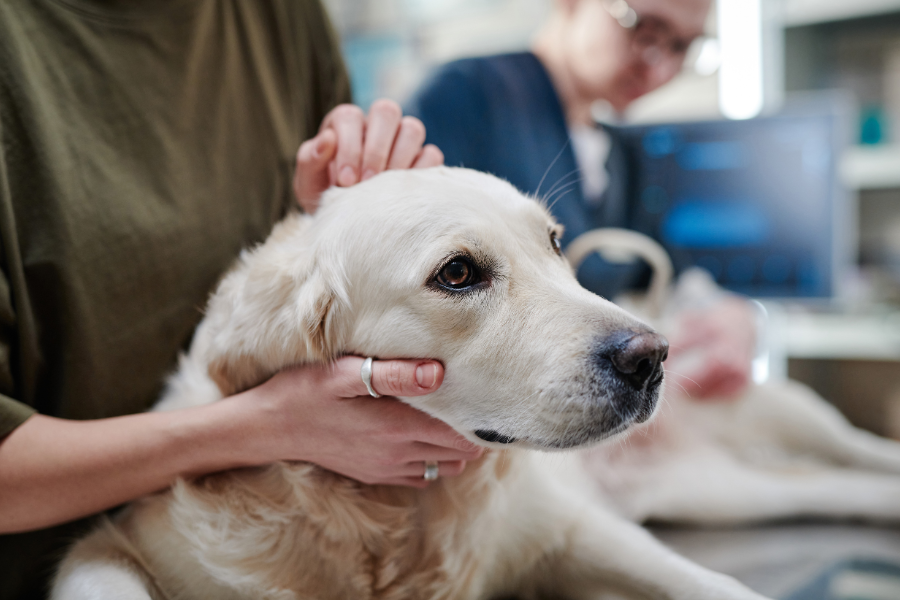
A veterinarian begins by reviewing your pet’s history and performing a physical examination. Depending on the findings, additional testing may be recommended to identify the underlying cause and determine how serious the problem is.
During an examination, your veterinarian may check:
- Hydration status
- Gum color and moisture
- Heart rate and breathing
- Body temperature
- Abdominal comfort
- Mouth and teeth
- Body condition
- Signs of pain
- Overall alertness and movement
Bloodwork, urine testing, imaging, or other diagnostic tests may be recommended when the examination suggests a deeper problem. These tests can help identify changes that cannot be seen from the outside.
A Hypothetical Case Example
Imagine a seven-year-old dog that suddenly stops eating and drinking after vomiting several times overnight. During the examination, the veterinarian notices dehydration and abdominal discomfort, so the dog receives supportive care while diagnostic testing is performed. The results point toward a gastrointestinal problem, allowing treatment to begin before the condition becomes more serious.
This kind of situation shows why the combination of symptoms matters. A veterinarian does not simply treat the lack of appetite, but looks for the reason behind it.
What Can I Do at Home if My Pet Will Not Eat or Drink?
If your pet seems otherwise comfortable and has only recently skipped food, monitor closely and provide access to fresh water. Avoid forcing food or water into your pet’s mouth, especially if they are vomiting, very weak, or having trouble swallowing.
You can also:
- Keep your pet somewhere quiet and comfortable.
- Make sure fresh water is easy to access.
- Monitor how much your pet drinks.
- Note any vomiting or diarrhea.
- Check whether your pet is urinating normally.
- Watch for changes in energy or behavior.
- Contact your veterinarian if the problem continues or other symptoms develop.
Do not give human medications unless a veterinarian specifically tells you to do so. Some medications that are safe for people can be dangerous for pets.
Food changes should also be approached carefully. If nausea, pain, obstruction, poisoning, or another medical problem is involved, trying multiple foods at home may delay proper care.
Most importantly, trust changes from your pet’s normal behavior. You know how your pet usually acts, and a clear change can be an important warning sign.
When Does a Pet Not Eating or Drinking Need Urgent Care?
Urgent care may be needed when your pet refuses food or water and has significant symptoms such as repeated vomiting, severe weakness, collapse, breathing difficulty, abdominal swelling, or signs of serious pain.
Seek prompt veterinary evaluation if you notice:
- Repeated vomiting or inability to keep water down
- Severe or worsening weakness
- Collapse or difficulty staying upright
- A painful or swollen abdomen
- Trouble breathing
- Significant dehydration
- Blood in vomit or stool
- Little or no urination
- Seizures or severe confusion
- Suspected poisoning
- A suspected swallowed object
- Rapid worsening of your pet’s condition
Puppies, kittens, senior pets, and pets with known medical problems may become unwell more quickly when they stop eating or drinking. Their age and overall health should be considered when deciding how quickly to seek care.
If you are unsure whether your pet’s symptoms are serious, contacting a veterinary professional is safer than waiting for the condition to worsen.
What Happens During Urgent Veterinary Care?
When a pet arrives for urgent evaluation, the first goal is to determine how stable they are and identify signs of a serious problem. Your veterinarian will assess vital signs, hydration, pain, and other important findings before deciding what testing or treatment is appropriate.
Depending on the situation, care may include:
- Fluid support for dehydration
- Medication to control nausea or pain when appropriate
- Blood or urine testing
- Diagnostic imaging
- Treatment for an underlying illness
- Monitoring for changes in vital signs
- Additional care if an obstruction, poisoning, or other serious condition is suspected
The treatment plan depends entirely on the cause. A pet with mild digestive upset may need supportive care and monitoring, while a pet with an obstruction or serious internal illness may require more intensive treatment.
Getting care early can also give your veterinarian more options. Waiting until dehydration, weakness, or other complications become severe may make recovery more difficult.
How Can I Help Prevent Problems With Eating and Drinking?
You cannot prevent every illness, but paying attention to your pet’s normal habits can help you recognize changes sooner. Knowing how much your pet normally eats and drinks gives you a useful baseline.
Try these simple habits:
- Keep fresh water available every day.
- Pay attention to changes in appetite.
- Monitor bathroom habits and energy levels.
- Keep harmful household substances away from pets.
- Watch your pet during play to reduce the risk of swallowing unsafe objects.
- Schedule routine veterinary examinations.
- Address changes in behavior or eating habits rather than assuming they will resolve on their own.
Your pet may not be able to tell you where something hurts, but changes in eating, drinking, activity, and behavior can provide important clues.
What Should I Remember if My Pet Suddenly Stops Eating or Drinking?
A sudden change in food or water intake should be taken seriously, especially when it occurs with other symptoms. A pet not eating or drinking may have a simple digestive problem, but it can also signal pain, dehydration, an obstruction, poisoning, or another condition requiring prompt treatment.
If you are looking for urgent vet care call North Oatlands Animal Hospital at (703) 777-7781 as they encourages pet owners to pay attention to changes from normal eating and drinking habits and to seek veterinary guidance when concerns arise. Watch for vomiting, weakness, pain, breathing problems, abdominal swelling, or other unusual signs. When your pet’s condition seems to be worsening or you are concerned about the severity of the symptoms, schedule an appointment for timely urgent care can help determine what is wrong and provide the appropriate treatment.
FAQs
Q1: What does it mean if my pet suddenly stops eating and drinking?
A: It can mean your pet is experiencing nausea, pain, stress, dehydration, or an underlying illness. When both food and water are refused, especially with other symptoms, veterinary evaluation may be needed.
Q2: How long can a pet go without eating or drinking?
A: There is no single safe timeframe for every pet. Age, size, health status, and the presence of vomiting, diarrhea, or other symptoms all matter. A veterinarian can help determine how quickly your pet should be evaluated.
Q3: What treatment might a vet provide when a pet will not eat or drink?
A: Treatment depends on the underlying cause. Your veterinarian may provide fluids, medication, diagnostic testing, nutritional support, or treatment for a condition such as gastrointestinal disease or another medical problem.
Q4: Can stress cause my pet to stop eating?
A: Yes, stress can temporarily reduce appetite in some pets. However, illness should not be ruled out simply because a stressful event recently occurred, particularly if your pet also refuses water or develops other symptoms.
Q5: When should I seek urgent care for a pet that is not eating or drinking?
A: Seek prompt veterinary care if your pet has repeated vomiting, severe weakness, collapse, breathing difficulty, abdominal swelling, significant pain, suspected poisoning, or another serious or rapidly worsening symptom. When you are unsure about the severity of the situation, contacting a veterinarian is the safest approach.