



If your cat’s breath smells unpleasant, it’s easy to shrug it off as “just cat breath.” But persistent bad breath is often a warning sign of hidden dental disease. Many cats suffer silently from painful oral conditions that pet parents may not notice right away. Because cats are experts at hiding discomfort, dental disease can quietly progress until it becomes a serious health concern. Understanding the signs of dental problems and seeking timely dental care can protect your cat from pain, infection, and long-term complications.
Why Bad Breath Is More Than Just a Nuisance?
Occasional mild odor may not be alarming, but strong, persistent bad breath, also called halitosis, usually signals bacterial buildup in the mouth. This buildup often leads to plaque and tartar accumulation along the gumline. Over time, these deposits cause inflammation, infection, and gum disease.
The most common dental condition in cats is periodontal disease. It begins with gingivitis (inflamed gums) and can progress to damage the tissues and bone that support the teeth. Without proper dental care, this infection can spread beyond the mouth and affect vital organs like the heart, liver, and kidneys.
Common Signs of Dental Disease in Cats
Besides bad breath, watch for these symptoms:
- Red, swollen, or bleeding gums
- Yellow or brown tartar on teeth
- Drooling or pawing at the mouth
- Difficulty chewing or dropping food
- Decreased appetite
- Weight loss
- Behavioral changes such as hiding or irritability
Some cats may stop grooming themselves because their mouths hurt. Others may prefer soft food or chew on only one side of their mouth. If you notice these signs, it’s time to schedule an exam with a provider offering professional dental care.
What Causes Hidden Dental Disease?
Dental disease develops gradually. Here’s how it happens:
- Plaque Formation: After eating, bacteria mix with food particles and saliva to form plaque on teeth.
- Tartar Buildup: If plaque isn’t removed, it hardens into tartar.
- Gum Inflammation: Tartar irritates the gums, causing gingivitis.
- Periodontal Damage: Infection spreads beneath the gumline, affecting tooth roots and bone.
Certain factors increase risk:
- Age (cats over 3 years are especially prone)
- Poor at-home dental hygiene
- Genetics
- Diet
- Underlying medical conditions
Regular wellness visits and preventive veterinary care in Leesburg help detect problems early, often before visible symptoms appear.
The Hidden Dangers of Untreated Dental Disease
Dental infections are not limited to the mouth. When bacteria enter the bloodstream, they can travel to major organs. This condition, called bacteremia, can contribute to heart disease, kidney disease, and other systemic issues.
Chronic oral pain also reduces a cat’s quality of life. Many pet parents are surprised to learn how much better their cat feels after professional dental treatment. Cats often become more active, playful, and affectionate once the source of discomfort is resolved.
Ignoring bad breath may seem harmless at first, but untreated dental disease can lead to:
- Tooth loss
- Jawbone damage
- Abscesses
- Chronic pain
- Organ complications
That’s why timely dental care is an essential part of responsible pet ownership.
Professional Dental Care: What to Expect
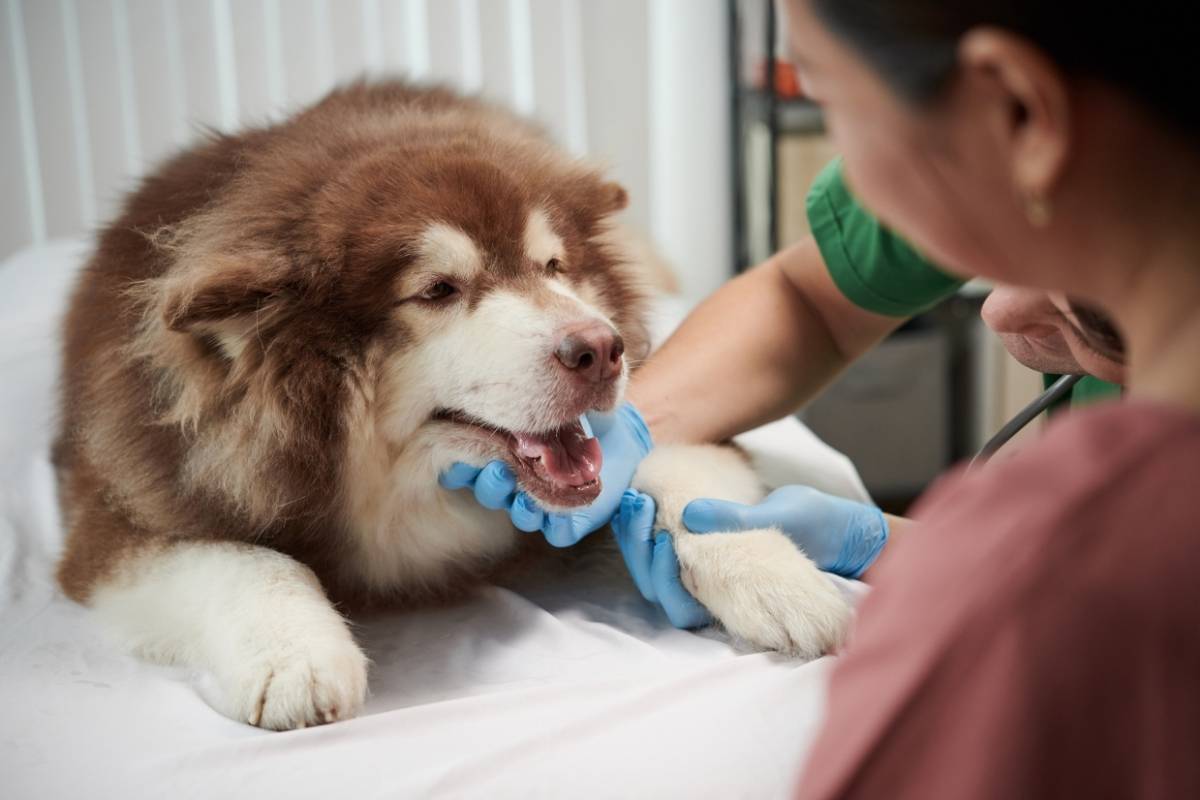
An experienced vet team provides thorough exams and advanced veterinary care to address both visible and hidden dental issues.
A professional dental procedure typically includes:
1. Comprehensive Oral Examination
Your cat’s mouth is carefully examined for signs of inflammation, infection, or loose teeth.
2. Dental X-Rays
Much of dental disease hides below the gumline. Dental radiographs allow veterinarians to evaluate tooth roots and bone health.
3. Ultrasonic Scaling
Plaque and tartar are removed from above and below the gumline.
4. Polishing
Teeth are polished to smooth the surface and slow future plaque buildup.
5. Extractions (If Necessary)
Severely damaged or infected teeth may need removal to eliminate pain and infection.
Our focus is on safe, effective treatment tailored to your cat’s needs. We use modern monitoring equipment and anesthesia protocols to ensure comfort and safety throughout the procedure.
Preventing Dental Disease at Home
While professional cleanings are essential, home care plays a major role in prevention. Here are simple ways to support your cat’s oral health:
Brush Your Cat’s Teeth
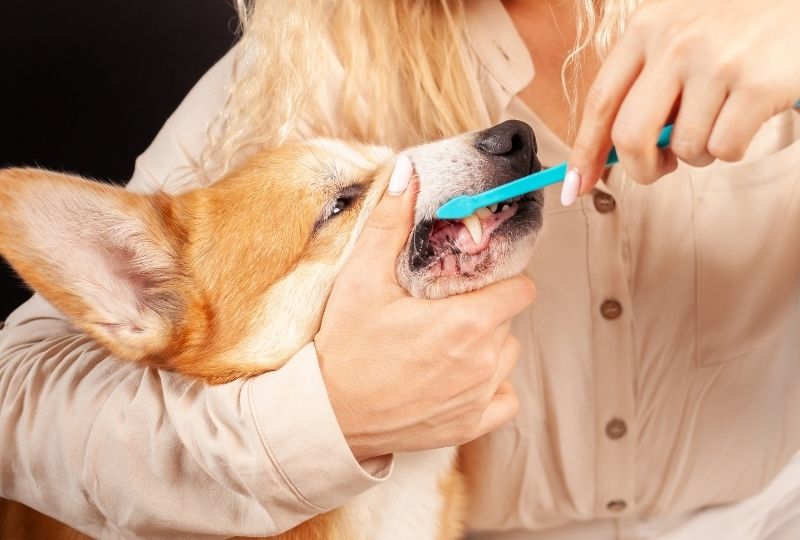
Daily brushing with cat-specific toothpaste is the gold standard. Even brushing a few times per week can significantly reduce plaque.
Use Veterinary-Approved Dental Products
Dental treats, water additives, and prescription diets designed for oral health can help control bacteria.
Schedule Routine Exams
Regular checkups allow early detection of dental problems before they become severe.
If you’re unsure how to start brushing your cat’s teeth, ask your veterinary team for guidance.
How Often Does My Cat Need Dental Care?
Most cats benefit from annual dental evaluations. Some may require professional cleanings once a year, while others may need them more frequently, depending on their oral health.
During routine wellness visits, your veterinarian will assess your cat’s mouth and recommend a customized care plan. Early intervention saves money, prevents pain, and protects long-term health.
When pet parents invest in preventive veterinary care, they reduce the risk of costly and complicated treatments later on.
Dental Care and Overall Wellness
Dental health is closely connected to overall wellness. Chronic inflammation in the mouth puts stress on the immune system. Addressing oral infections can:
- Improve appetite
- Enhance energy levels
- Reduce systemic inflammation
- Support organ health
For cats of all ages, especially seniors, maintaining oral health is critical. Even young cats can develop dental disease, so early prevention matters.
Why Local Veterinary Care Matters?
Choosing a trusted provider for dental care in Leesburg, VA, ensures your cat receives personalized attention and continuity of care. At North Oatlands Animal Hospital, we build lasting relationships with families throughout the Leesburg community. We understand the specific needs of local pet owners and are committed to delivering compassionate, high-quality veterinary care in Leesburg. From preventive exams to advanced dental procedures, our goal is to keep your cat healthy, comfortable, and thriving.
Scheduling a dental evaluation is a proactive step toward better wellness. If you are looking for dental care apart from Leesburg, then North Oatlands Animal Hospital is proudly serving the surrounding areas of Leesburg, like Waterford, Hamilton, Aldie, Purcellville, and Ashburn.
FAQs
1. Is bad breath always a sign of dental disease in cats?
Ans: Persistent bad breath is commonly linked to dental disease, especially gum infection and tartar buildup. However, it can sometimes signal other medical conditions. A professional exam is the best way to determine the cause.
2. How common is dental disease in cats?
Ans: Dental disease is extremely common. By age three, many cats show signs of periodontal disease.
3. Are dental cleanings safe for cats?
Ans: Yes, professional cleanings performed under anesthesia are considered safe when proper monitoring protocols are used. Pre-anesthetic exams help ensure your cat is a good candidate for the procedure.
4. Can I prevent dental disease without brushing my cat’s teeth?
Ans: Brushing is the most effective method, but dental diets, treats, and water additives can help. Combining home care with professional dental care offers the best protection.
5. How do I know if my cat is in dental pain?
Ans: Cats often hide pain; signs may include reduced appetite, drooling, irritability, or avoiding hard food. Subtle behavior changes can indicate discomfort.
6. How often should my cat have a dental checkup?
Ans: Most cats should have an oral exam at least once a year. Your veterinarian may recommend more frequent visits depending on your cat’s age and dental history.