


A healthy mouth means a healthy pet. Dental disease is one of the most common but preventable health issues in cats and dogs. Poor dental hygiene can lead to painful infections, tooth loss, and even heart or kidney problems.
Many pet owners wonder, “How often should I schedule pet dental cleanings?” The answer depends on factors like age, breed, diet, and lifestyle. Understanding your pet’s unique dental needs will help you plan regular visits that keep their mouth — and overall health — in great shape.
Why Regular Dental Cleanings Are Essential
Plaque begins forming on your pet’s teeth within hours after eating. Over time, it hardens into tartar, which can’t be removed by brushing alone. This buildup can cause gum disease, bad breath, and pain.
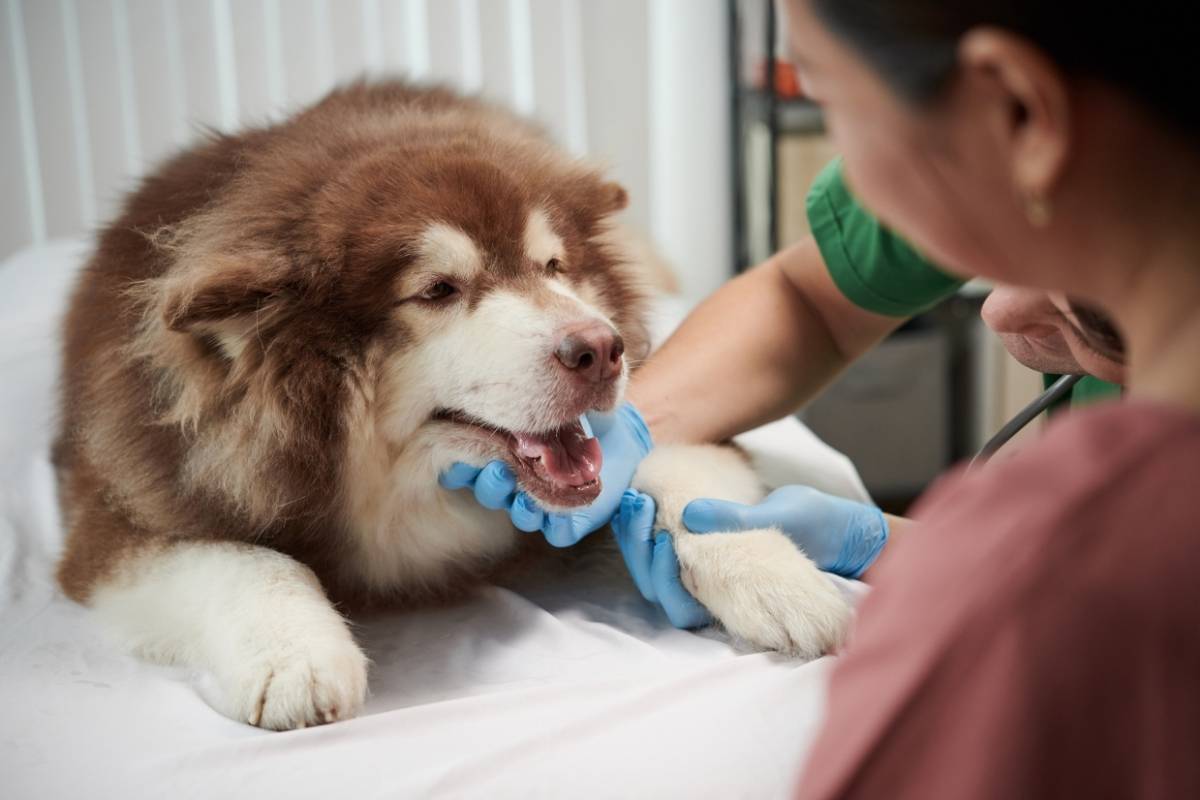
Routine professional dental cleanings remove tartar and bacteria from below the gumline — an area home brushing can’t reach. Regular cleanings also allow your vet to spot early signs of oral disease before they become serious.
How Often Should You Schedule Pet Dental Cleanings?
On average, most pets need a professional dental cleaning once a year. However, several factors can influence this schedule.
1. Breed
Some breeds are more prone to dental problems than others:
- Small dogs (like Chihuahuas, Yorkies, and Dachshunds) often have crowded teeth, making plaque buildup more likely.
- Flat-faced breeds (such as Bulldogs, Pugs, and Persian cats) are at higher risk due to their jaw structure.
These pets may need cleanings every 6–9 months to stay healthy.
2. Age
Puppies and kittens usually have clean mouths, but as pets age, plaque and tartar accumulate faster. Senior pets — especially those over age 7 — often need more frequent dental exams and cleanings.
3. Diet and Chewing Habits
A diet of dry kibble or dental chews can help reduce tartar buildup. Pets that eat mostly soft or wet food may need cleanings more often since sticky food tends to cling to teeth.
4. Home Dental Care Routine
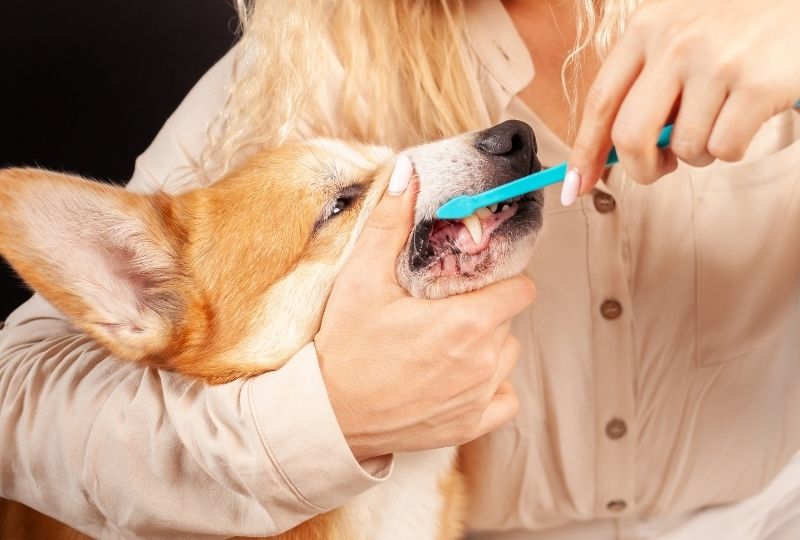
If you brush your pet’s teeth regularly and provide dental treats, you may extend the time between professional cleanings. However, brushing doesn’t replace professional care — it complements it.
5. Health Conditions
Pets with diabetes, kidney disease, or immune system issues may require more frequent cleanings to prevent secondary infections.
Signs Your Pet May Need a Dental Cleaning
Even with good care, dental issues can still develop. Watch for these warning signs:
- Persistent bad breath
- Red or bleeding gums
- Difficulty eating or chewing
- Yellow or brown buildup on teeth
- Drooling or pawing at the mouth
If you notice any of these symptoms, schedule a dental checkup right away.
Home Dental Care Tips for Pet Owners
Keeping your pet’s mouth healthy starts at home. Here are simple ways to maintain oral hygiene between professional visits:
- Brush your pet’s teeth daily using pet-safe toothpaste.
- Offer dental chews or toys that promote natural cleaning.
- Provide a balanced diet rich in nutrients that support gum health.
- Schedule annual wellness exams to catch early dental issues.
Midway through your pet’s dental routine, consider exploring Pet Dental Care Services to ensure your pet receives professional cleaning and oral evaluations as needed.
Knowing how often to schedule pet dental cleanings helps you plan the right care routine for your furry friend’s age, breed, and health. Regular dental checkups, professional cleanings, and daily brushing can prevent painful oral disease and keep your pet’s smile bright for years.
At North Oatlands Animal Hospital, we’re proud to offer high-quality dental care in Leesburg. Our experienced veterinarians provide gentle, comprehensive oral health exams to help your pet maintain strong teeth and healthy gums for years to come.
FAQs:
Q1. How often should I get my dog’s teeth cleaned?
Ans. Most dogs benefit from professional cleanings once a year, but small breeds may need them every 6–9 months.
Q2. Do cats need dental cleanings, too?
Ans. Yes! Cats can suffer from gum disease and tooth decay just like dogs. Annual cleanings are recommended.
Q3. Can I clean my pet’s teeth at home instead of visiting the vet?
Ans. Home brushing is great for maintenance, but it can’t remove tartar below the gumline. Professional cleanings are still necessary.
Q4. What happens during a pet dental cleaning?
Ans. Your pet is placed under anesthesia for safety while your vet removes tartar, polishes teeth, and checks for hidden issues.
Q5. How do I know if my pet has dental disease?
Ans. Common signs include bad breath, red gums, or difficulty eating. If you notice these, schedule a dental exam soon.
Q6. Is anesthesia safe for older pets during dental cleaning?
Ans. Yes, when monitored properly. Your veterinarian will perform pre-anesthetic testing to ensure it’s safe for your senior pet.