

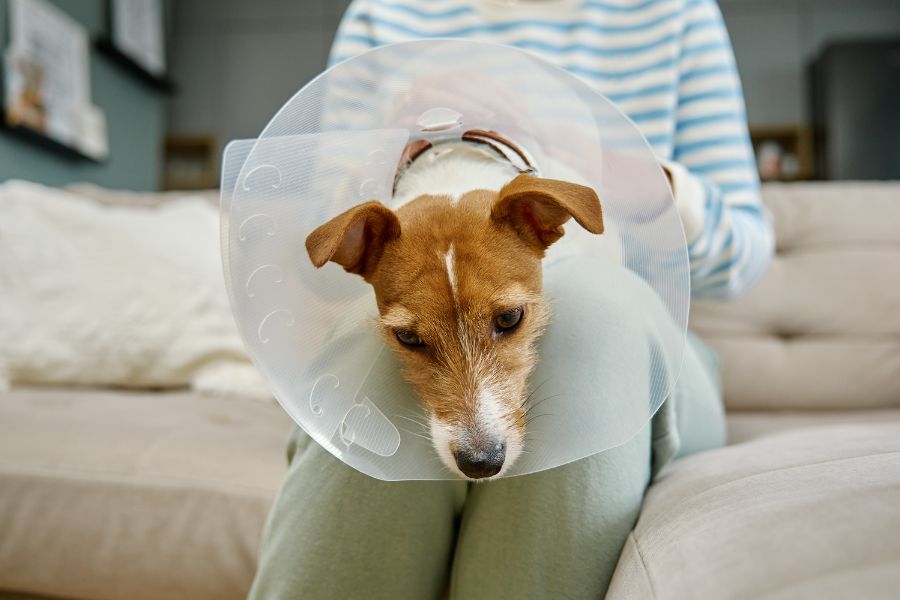
Spaying is one of the most important health decisions you can make for your female dog. The procedure not only prevents unwanted litters but also helps protect against life-threatening conditions like uterine infections and certain cancers. However, many pet parents are curious about the Common Side Effects of Spaying Your Dog and what to expect during recovery. Knowing these effects can help you prepare for your dog’s post-surgery journey and ensure she heals comfortably.
Spaying involves the surgical removal of the ovaries and, in some cases, the uterus. As with any pet surgery in Leesburg, a few temporary side effects may occur during the recovery process. Most of these are mild and short-lived, but being aware of them ensures your dog gets the support she needs for a smooth recovery.
Normal Side Effects After Spaying
Every dog reacts differently to anesthesia and surgery. The following are normal side effects most dogs experience for a few days post-surgery:
1. Mild Lethargy or Sleepiness
After surgery, your dog will likely be drowsy due to anesthesia and pain medication. This is completely normal and should improve within 24 to 48 hours. During this time, keep her in a quiet, comfortable area where she can rest undisturbed.
2. Temporary Loss of Appetite
It’s common for dogs to eat less for the first day or two after being spayed. As the anesthesia wears off and your dog’s energy returns, her appetite should gradually improve. Offer small meals of her regular food and make sure she has access to fresh water.
3. Swelling or Redness at the Incision Site
A small amount of swelling or redness around the incision is a normal part of the healing process. However, it’s important to monitor the site daily to ensure it doesn’t worsen. If you notice discharge, excessive swelling, or an unpleasant odor, contact your vet right away.
4. Slight Whining or Restlessness
Some dogs may vocalize or seem uneasy as they recover from anesthesia. This usually subsides once pain medication takes full effect and your dog becomes more comfortable.
5. Changes in Bathroom Habits
Your dog might take longer than usual to urinate or defecate after surgery. Reduced activity and anesthesia can slow digestion temporarily, but this typically resolves within a couple of days.
Potential (Less Common) Side Effects
While rare, some dogs may experience less common side effects that require closer observation:
- Bruising: Minor bruising around the incision can occur but should fade as healing progresses.
- Reaction to Anesthesia: Though uncommon, allergic reactions or prolonged grogginess can occur.
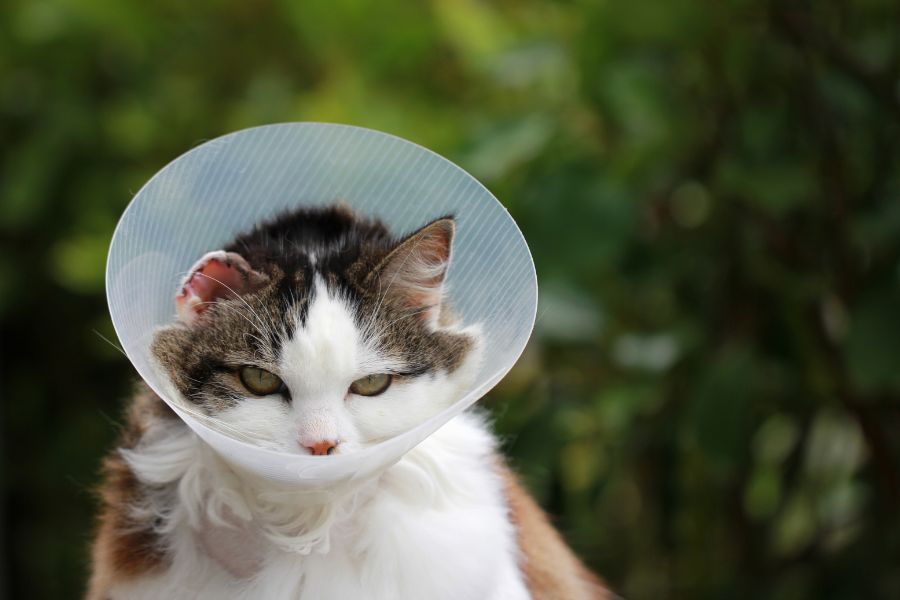
- Infection: If your dog licks or scratches the incision excessively, bacteria can enter the wound. Using an e-collar prevents this.
- Internal Swelling or Fluid Build-Up: If the incision appears puffy or feels firm, contact your veterinarian for a checkup.
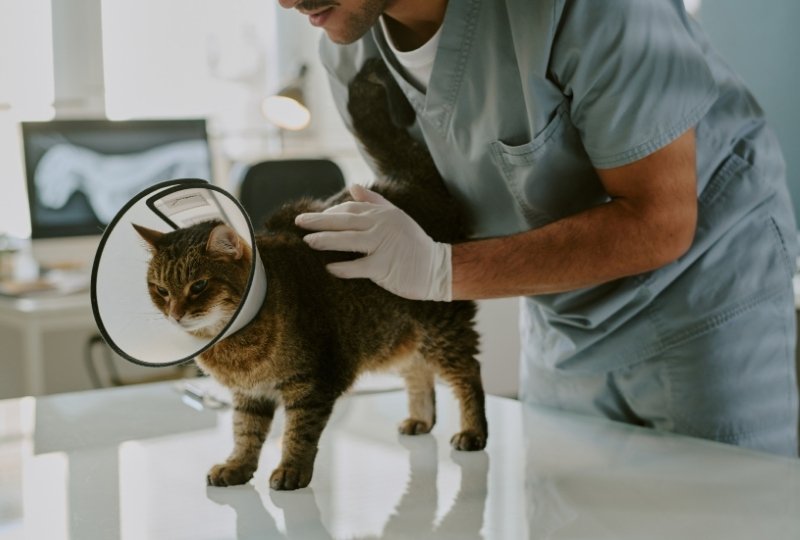
For professional post-surgery care and ongoing support, your Leesburg vet can provide specific guidance tailored to your dog’s breed, size, and recovery pace.
Behavioral Changes After Spaying
One of the Common Side Effects of Spaying Your Dog involves temporary hormonal adjustments that may influence behavior. You might notice:
- Calmer Demeanor: Many spayed dogs become more relaxed once their hormone levels stabilize.
- Reduced Roaming or Aggression: Without the influence of reproductive hormones, dogs are less likely to wander or display dominance-related behavior.
- Slight Weight Gain: Metabolism can slow slightly after spaying. Prevent weight gain with portion control and regular exercise once your vet clears her for activity.
Remember, these behavioral changes are typically positive and indicate hormonal balance. Maintaining a healthy lifestyle helps your dog stay fit and active long after recovery.
How to Support a Smooth Recovery
Your dog’s recovery process begins the moment she returns home. Follow these essential aftercare tips:
- Provide a Quiet Space: Keep her in a calm, confined area to prevent jumping or running.
- Monitor the Incision Daily: Watch for redness, swelling, or discharge.
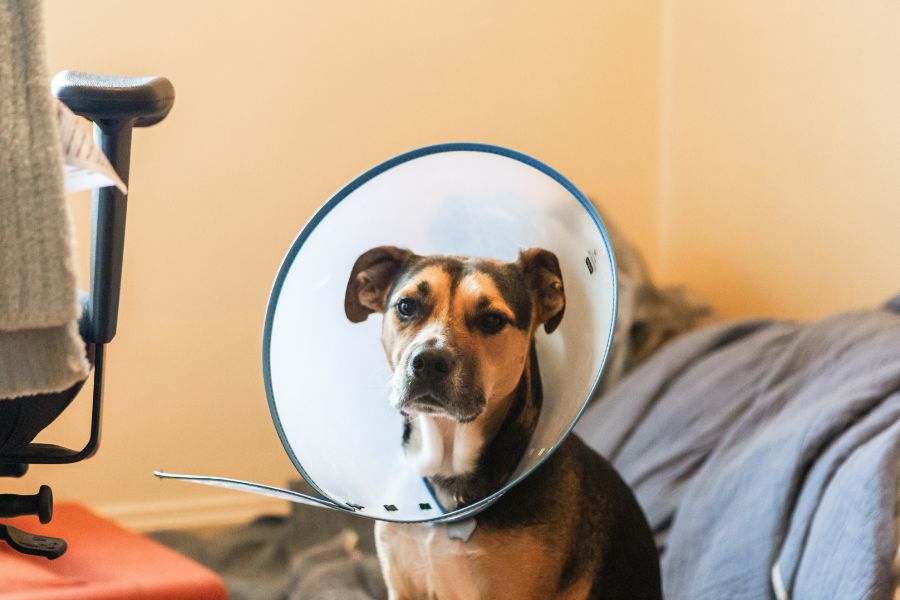
- Use an E-Collar: Prevent licking or chewing at the incision site.
- Limit Physical Activity: Avoid long walks, stairs, or play for 10–14 days.
- Give Medications as Directed: Always follow your vet’s dosage and timing instructions.
- Maintain a Clean Environment: A clean space reduces the risk of infection.
When to Contact Your Veterinarian
While most dogs recover without complications, it’s important to know when to call your vet. Contact your clinic immediately if you notice any of the following:
- Persistent vomiting or diarrhea
- Refusal to eat or drink for more than 48 hours
- Excessive swelling, bleeding, or pus from the incision
- Signs of pain such as whining, trembling, or hiding
- Separation of the incision edges
- High fever or lethargy that doesn’t improve
Prompt action ensures that minor issues don’t become major problems and helps your dog heal safely and comfortably.
Preventing Future Complications
After your dog has fully recovered, maintaining her long-term health is key. Here’s how to prevent post-surgery complications in the future:
- Schedule annual wellness exams to monitor her overall health.
- Keep up with vaccinations and parasite prevention.
- Feed a balanced diet appropriate for her age and activity level.
- Maintain regular dental care and grooming routines.
- Encourage daily exercise to maintain a healthy weight.
These habits support a strong immune system and reduce risks associated with hormonal changes after spaying.
Being informed about the Common Side Effects of Spaying Your Dog helps you navigate your pet’s recovery confidently and compassionately. Mild fatigue, appetite changes, or slight swelling are normal, but with proper care and observation, your dog will heal quickly and comfortably. Remember, spaying is a simple step with lifelong benefits—it prevents serious illnesses and promotes a happier, healthier life. By staying attentive and patient, you’re giving your dog the best possible start to her next chapter of well-being.
If you’re looking for a trusted animal hospital in Leesburg, North Oatlands Animal Hospital offers expert surgical care, compassionate recovery support, and tailored post-operative guidance to ensure your pet’s comfort and well-being.
Frequently Asked Questions:
Q: How long will my dog be sore after spaying?
A: Mild soreness typically lasts 2–3 days, but some discomfort can persist for up to a week. Pain medication prescribed by your vet helps ease this.
Q: Can my dog go for walks after being spayed?
A: Short, leash-controlled bathroom breaks are fine, but avoid long walks or vigorous play for about 10–14 days.
Q: What if my dog licks her incision?
A: Licking can introduce bacteria and cause infection. Use an e-collar or recovery suit to prevent it.
Q: Is it normal for my dog to sleep a lot after surgery?
A: Yes. Sleep helps with healing, especially within the first 48 hours post-surgery.
Q: How do I know if the incision is healing properly?
A: The area should appear clean, dry, and slightly pink. Any swelling, redness, or discharge should be reported to your vet.
Q: Will my dog gain weight after being spayed?
A: Some dogs may gain weight due to hormonal changes, but a balanced diet and regular exercise can prevent it.