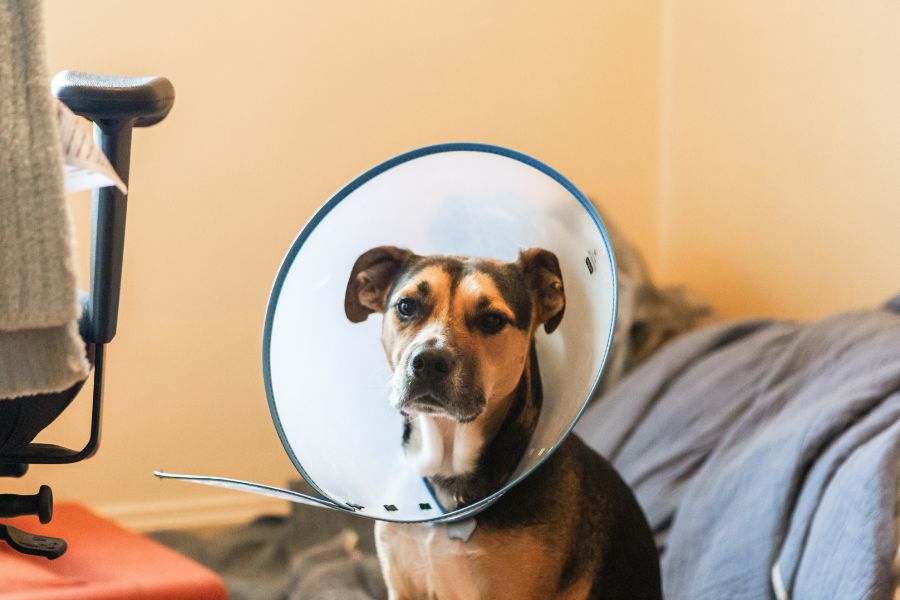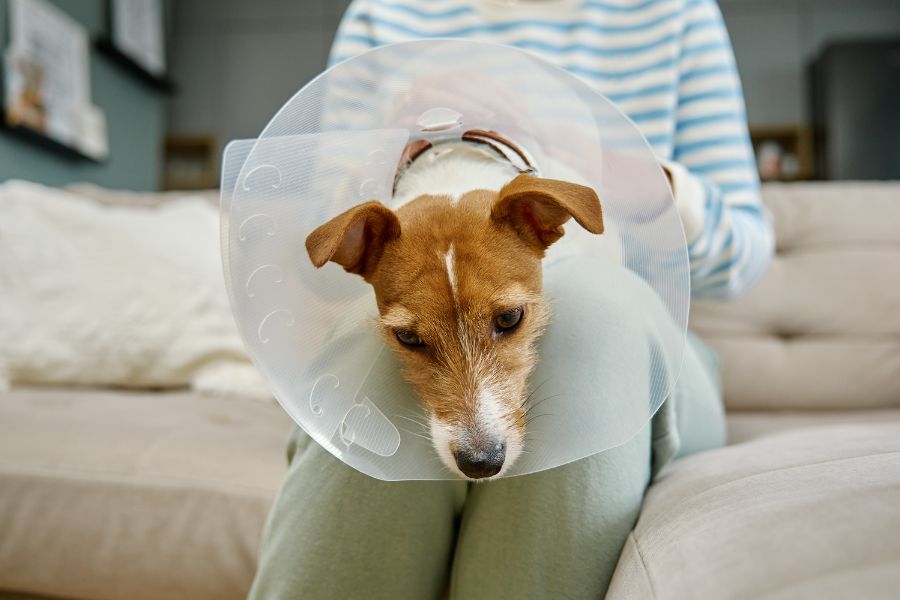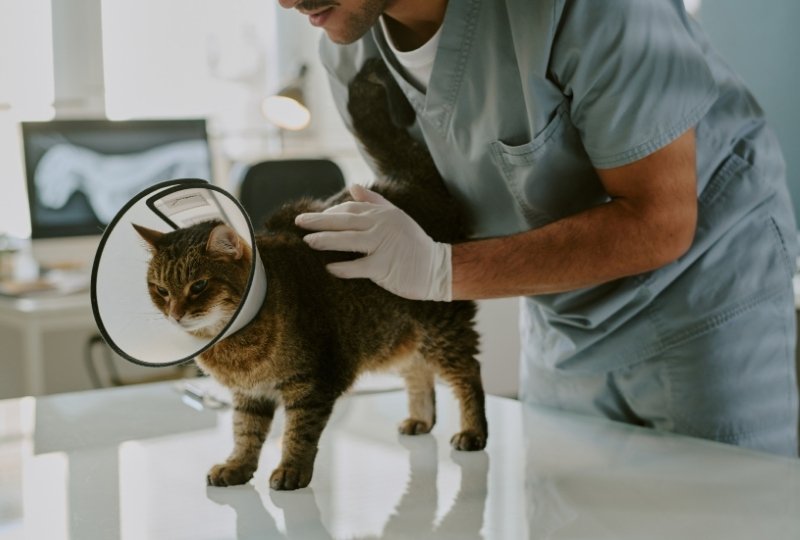




Hearing the word “surgery” can be stressful, not just for your pet, but for you as a pet parent, too. Whether it’s a routine procedure like spaying or something more complex, preparing for your pet’s surgery can make all the difference in their recovery.
Understanding what to expect, how to prepare, and what to do post-op will help you support your furry friend every step of the way.
1. Understanding Why Surgery Is Needed
Sometimes surgery is elective, such as neutering or removing a benign lump. Other times, it’s urgent—think broken bones or internal issues.
Your veterinarian will recommend surgery only when it’s the best option for your pet’s health. They will also perform necessary diagnostics like bloodwork and imaging before proceeding. This ensures your pet is healthy enough to handle anesthesia and the operation itself.
Pro Tip: Always ask for a detailed explanation of the condition and the recommended procedure. Understanding the “why” can ease your worries.
2. Pre-Surgery Preparations: What You Should Do
The days leading up to surgery are important. Here’s how to prepare:
- Fasting Instructions: Most pets need to fast for 8–12 hours before surgery. This reduces the risk of vomiting during anesthesia.
- No Medications (Unless Approved): Do not give your pet any medicine unless your vet gives the go-ahead.
- Arrange Transportation: Make sure your pet is secured in a carrier or with a leash when heading to the vet.
- Stay Calm: Pets can sense your emotions. Stay positive and speak softly to help them feel at ease.
- Checklist: Confirm appointment time, review instructions, and double-check your contact info with the clinic.
3. What Happens on Surgery Day
On the big day, your pet will be admitted for prep and monitoring. They’ll receive anesthesia and be closely watched throughout the procedure. Most clinics will call you once surgery is completed.
If the vet is performing the pet surgery in Leesburg, VA, or another advanced veterinary center, expect a clean, well-equipped environment with skilled professionals ensuring your pet’s safety.
4. Post-Op Care: What to Expect After Surgery
The hours and days after surgery are critical. Here’s what you’ll likely experience:
- Grogginess: Your pet may be sleepy or disoriented for a day or so.
- Pain Management: Your vet will provide medications to ease discomfort.
- Wound Care: Follow the vet’s directions for cleaning and monitoring the incision site.
- Restricted Activity: No running, jumping, or rough play—your vet will guide you on how long this should last.
Recovery Tip: Set up a quiet, comfy recovery zone with soft bedding and easy access to water.
5. Signs to Watch for During Recovery
While most surgeries go smoothly, it’s important to monitor your pet closely. Contact your vet if you notice:
- Excessive swelling, redness, or discharge at the surgical site
- Loss of appetite beyond 48 hours
- Difficulty urinating or defecating
- Vomiting or diarrhea
- Lethargy beyond the expected recovery period
Catching complications early can make a big difference in recovery outcomes.
6. Emotional Support: It Matters Too
Just like people, pets need emotional comfort after surgery. Speak to them gently, offer treats when allowed, and spend quiet time by their side. Your calm presence can do wonders for their emotional healing.
7. Long-Term Health After Surgery
Once healed, your pet might require follow-up appointments, physical therapy, or lifestyle changes. This is especially true for surgeries involving joints, internal organs, or chronic conditions.
Commit to regular checkups and a healthy lifestyle to help your pet thrive long after surgery.
Preparing for your pet’s surgery may feel overwhelming at first. But with a little planning, clear communication with your vet, and lots of love, you can help your pet navigate surgery safely and comfortably.
Whether it’s a routine procedure or a critical intervention, your role as a caring pet parent is invaluable.
Remember: One successful surgery today means many tail wags, purrs, and healthy days ahead.