

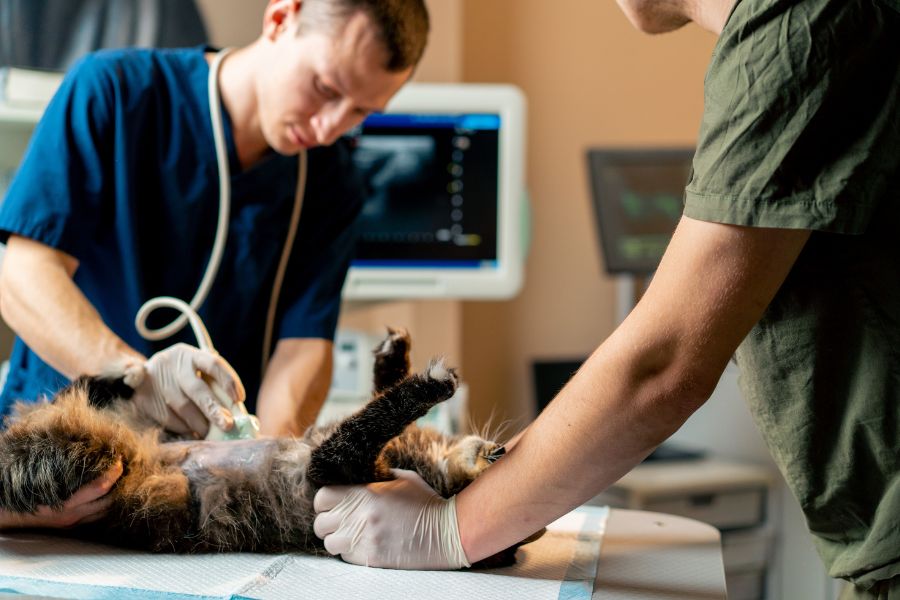
As cats grow older, their health needs quietly change in ways that are not always easy to spot. Senior cats are masters at hiding discomfort, and heart conditions often progress without obvious warning signs. For pet parents in Leesburg, VA, this can feel especially concerning when an older cat seems a little less active or starts breathing differently. Understanding how veterinarians evaluate heart health can make all the difference in protecting your cat’s comfort and longevity.
This blog explores how modern heart monitoring helps detect hidden cardiac issues in aging cats, why early testing matters, and how trusted animal hospitals and animal clinics use advanced diagnostics to support long-term feline wellness. If you share your home with a senior cat, knowing what happens behind the scenes at your veterinarian’s hospital can give you confidence and peace of mind in your cat’s electrocardiogram.
What This Means for Your Pet’s Health
Heart disease in senior cats rarely announces itself clearly. Subtle changes like decreased appetite, weight loss, or reduced playfulness may be the only clues. That’s why cardiac screening plays such a vital role in feline care as cats age.
A cat’s electrocardiogram allows veterinarians to evaluate how the heart is functioning by measuring electrical activity. This type of testing helps identify abnormal rhythms, silent heart murmurs, and underlying conditions that may not be detectable during a routine physical exam. When used alongside other diagnostic tools, it provides a clearer picture of your cat’s cardiac health and supports timely medical decisions that can slow disease progression.
Early detection often means simpler treatment plans, better symptom control, and improved quality of life for senior cats throughout Leesburg, Aldie, and Hamilton.
Key Benefits for Local Pet Owners
Advanced cardiac testing offers meaningful advantages for both pets and their families, especially when guided by experienced veterinary professionals.
- Early identification of heart rhythm changes before symptoms become severe
- Non-invasive testing that is gentle and low-stress for senior cats
- Improved treatment planning for conditions like murmurs or cardiomyopathy
- Ongoing monitoring to track disease progression over time
- Peace of mind knowing your cat’s heart health is being carefully managed
For pet owners who rely on reputable animal hospitals and veterinarian hospitals, these benefits translate into proactive care rather than reactive treatment.
Practical Tips You Can Use at Home
While professional diagnostics are essential, daily observation at home plays an equally important role in senior cat care. Small changes can provide valuable information to your veterinary team.
Pay attention to your cat’s breathing rate while resting, appetite consistency, and energy levels. Notice whether your cat tires more quickly, avoids jumping, or shows signs of labored breathing. Maintaining a calm home environment, sticking to consistent feeding routines, and minimizing stress can also support heart health in older cats.
Most importantly, never dismiss subtle changes as “just aging.” When in doubt, consulting a veterinary hospital near me helps to ensure that testing and treatment begin at the right time.
How Our Veterinary Team Supports the Community
At NOAH Vets, the focus is on personalized care that respects each cat’s unique health journey. Senior feline patients benefit from thoughtful evaluations performed by experienced veterinarians who understand the nuances of aging pets.
By offering advanced diagnostics such as feline ECG testing, the veterinary team works closely with local animal hospitals and veterinary professionals to deliver comprehensive cardiac care. Each diagnostic result is explained clearly, allowing pet owners to make informed decisions without feeling overwhelmed.
This community-centered approach ensures that cats receive attentive, individualized care within trusted veterinarian hospitals that prioritize comfort, safety, and long-term wellness.
Caring for a senior cat means being proactive, attentive, and informed. Heart conditions may develop quietly, but modern diagnostic tools make it possible to identify concerns early and manage them effectively. Through careful monitoring, advanced testing, and compassionate veterinary guidance, senior cats can continue to enjoy comfortable, fulfilling lives.
If you notice changes in your cat’s behavior or want reassurance about their heart health, scheduling a cardiac evaluation is a responsible next step. If you are looking for a reliable animal hospital near you for cardiac evaluation, then North Oatlands Animal Hospital is proudly serving in areas like Leesburg, Waterford, Hamilton, Aldie, Purcellville, and Ashburn. Book an appointment today to discuss cardiac screening options, including cat electrocardiogram assessments, with a trusted veterinary team.
FAQs
Q1: How do I know if my senior cat needs heart testing?
Ans: If your cat shows reduced activity, breathing changes, weight loss, or a newly detected heart murmur, your veterinarian may recommend further cardiac evaluation to better understand what’s happening internally.
Q2: Is cardiac testing stressful for older cats?
Ans: Most heart rhythm tests are non-invasive and designed to be as calm and comfortable as possible, especially when performed in experienced animal clinics.
Q3: Can heart issues in cats be managed long-term?
Ans: Yes, with early detection, consistent monitoring, and guidance from qualified veterinarians, many cats with heart conditions maintain a good quality of life for years.
Q4: How often should senior cats receive heart health screenings?
Ans: Screening frequency depends on your cat’s age, health history, and exam findings. Many senior cats benefit from annual or semi-annual evaluations, especially if a murmur or rhythm change has been detected.
Q5: Does an electrocardiogram replace other heart tests?
Ans: No, an electrocardiogram is often used alongside tools such as chest X-rays, echocardiograms, and blood tests to provide a complete assessment of cardiac health.