


Your new pet has officially stolen your heart. Whether you brought home a bouncy golden retriever puppy or a cautious rescue cat, one of the first things on your to-do list should be scheduling a first vet appointment. It feels like a big moment, especially if you are a first-time pet owner who is not sure what to expect when walking through those clinic doors. The good news is that with a little preparation, the visit can go smoothly for both you and your new companion. At North Oatlands Animal Hospital in Leesburg, VA, we work with pet owners every day who walk in a little unsure and walk out feeling confident and informed. This guide covers exactly what to bring, what will happen during the exam, and how to set your pet up for a lifetime of good health.
What to Bring to Your Pet’s First Vet Appointment?
Walking in prepared makes a real difference. Veterinary teams can do a much more thorough job when they have background information to work with. Here is a vet visit checklist of what to bring along:
- Previous medical records: If your pet came from a breeder, rescue organization, or shelter, ask for any vaccination records, health certificates, or prior test results. Even incomplete records give your vet a useful starting point.
- A fresh stool sample: Bring a small amount collected within 12 hours of the visit. Your veterinarian will check for intestinal parasites, which are surprisingly common in new pets, especially puppies and kittens.
- Your pet’s current food: Bring the brand name or a photo of the bag. Your vet may want to discuss nutrition and whether the current diet fits your pet’s age and breed.
- A list of any medications or supplements: Include flea, tick, or heartworm preventatives if your pet is already on them.
- Your questions: Write them down ahead of time. It is easy to forget what you wanted to ask once you are in the exam room.
For dogs, bring a secure leash and collar. For cats, use a hard-sided or soft carrier rather than carrying them in your arms. A familiar blanket or toy inside the carrier can help reduce anxiety during the trip.
What Happens During a New Pet Wellness Exam?
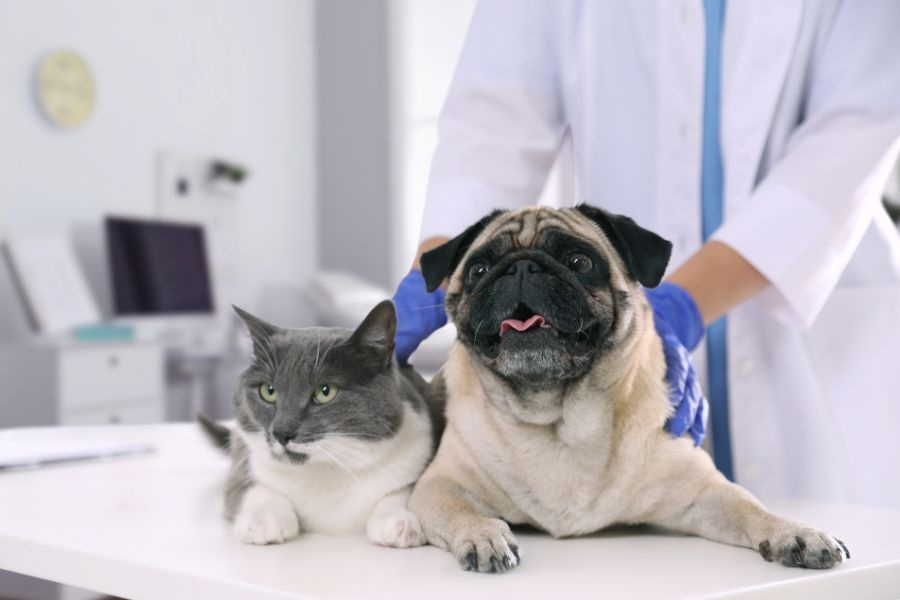
A new pet wellness exam is much more than a quick once-over. Your veterinarian will take time to assess your pet from nose to tail. Here is a general sense of what to expect:
Weight and vitals: The visit typically starts with a staff member checking your pet’s weight, temperature, heart rate, and respiratory rate. These numbers establish a baseline for future visits.
Head-to-tail physical exam: Your vet will check the eyes, ears, mouth, coat, skin, abdomen, joints, and lymph nodes. They are looking for any early signs of health concerns before symptoms become obvious.
Parasite screening: The stool sample you brought will be tested for common internal parasites like roundworms, hookworms, and giardia. Many pets, especially those from shelters, carry parasites without showing any obvious signs.
Vaccine review: Based on your pet’s age, lifestyle, and existing records, your vet will recommend a vaccination schedule. Core vaccines for dogs include rabies, distemper, and parvovirus. Core vaccines for cats include rabies, feline herpesvirus, and calicivirus.
A conversation about your pet’s lifestyle: Indoor or outdoor? Around other animals? Do you have young children at home? These details help your veterinarian tailor recommendations to your specific situation.
How to Prepare Your Pet Before the Visit?
A little preparation at home goes a long way toward reducing your pet’s stress at the animal hospital. Try these steps in the days leading up to the appointment:
- Get your cat comfortable with their carrier by leaving it out with a cozy blanket inside. Cats who associate the carrier with a safe space are far calmer on appointment day.
- Practice gentle handling. Touch your pet’s paws, ears, and mouth regularly so they become familiar with being examined.
- For dogs, a walk before the appointment can help burn off excess energy and make them calmer in the waiting room.
- Skip feeding a large meal right before the visit if your pet tends to get carsick.
Bring a few high-value treats to reward calm behavior during and after the exam. Many pets leave their first pet health checkup feeling pretty good about the experience when there is something tasty involved.
What to Expect from the Conversation with Your Vet?
One of the most valuable parts of the first vet appointment is the conversation. This is your chance to ask everything that has been on your mind since bringing your new pet home. There are no silly questions in a veterinary exam room.
You can expect your veterinarian to cover topics like:
- Spaying or neutering: When it should happen and what the procedure involves.
- Nutrition guidance: How much to feed, how often, and whether your current food is a good fit.
- Parasite prevention: Monthly heartworm, flea, and tick prevention options for your pet’s lifestyle.
- Dental health: How early dental hygiene habits protect against long-term problems.
- Behavioral questions: Litter training, crate training, socialization, or anything you have noticed that concerns you.
Think of this visit as establishing a partnership. The more openly you communicate about your pet’s habits, behaviors, and home environment, the better your veterinary team can guide you.
Why Early Veterinary Care Sets the Foundation for Long-Term Health?
Pets cannot tell you when something hurts. That is exactly why regular veterinary wellness exams matter so much, especially in the early months. Many health conditions, from heart murmurs to early kidney changes, show no outward signs until they have been progressing for some time. A thorough physical exam gives your veterinarian a chance to catch these issues before they become serious.
Consider the example of a new puppy owner who brought her four-month-old Labrador in for his first pet health checkup. During the exam, the vet detected a mild heart murmur that had no obvious symptoms. Because it was identified early, the puppy received appropriate monitoring and care throughout his development. Catching it at four months made all the difference.
Beyond catching problems early, regular visits help establish what is normal for your specific pet. Weight, coat condition, energy levels, and organ function all have individual baselines. Knowing what is normal for your animal makes it easier to spot when something shifts.
Why Pet Owners in Leesburg Trust Our Team for First Vet Visits?
A first vet appointment sets the tone for your pet’s relationship with veterinary care for years to come. At our clinic, we take that responsibility seriously. We work at your pet’s pace, use positive handling techniques, and take time to answer every question without making you feel rushed.
We also understand that new pet owners often come in feeling a little overwhelmed. Our team is here to make the experience feel approachable, not intimidating. From the moment you check in to the moment you walk out with your discharge notes and a follow-up plan, we want you to feel supported.
New patient appointments include a full nose-to-tail physical, parasite screening, a vaccine review, and a personalized wellness plan tailored to your pet’s breed, age, and lifestyle. We also offer guidance on nutrition, behavior, and preventive care so you leave the appointment with real, actionable information.
Ready to Book Your Pet’s First Appointment?
The first vet appointment is one of the best gifts you can give your new pet. It establishes their health baseline, gets vaccinations on track, and opens the door to a veterinary relationship built on trust. Bring your records, your questions, and a few treats, and you will be well prepared for a successful visit. Your Leesberg vet near you, North Oatlands Animal Hospital, is here to walk beside you and your pet every step of the way. Call us today to schedule your new pet wellness exam and give your companion the healthy start they deserve.
Frequently Asked Questions
Q1: What is a first vet appointment for a new pet?
Ans: A first vet appointment is a comprehensive wellness exam that establishes your pet’s health baseline. Your veterinarian will perform a full physical examination, review vaccination history, screen for parasites, and discuss nutrition, preventive care, and any behavioral questions you have. It typically lasts between 30 and 60 minutes.
Q2: What should I bring to my puppy’s or kitten’s first vet visit?
Ans: Bring any vaccination or health records from your breeder or shelter, a fresh stool sample collected within 12 hours, your pet’s current food information, a list of any medications or supplements, and your questions. Dogs should be on a secure leash, and cats should travel in a carrier.
Q3: How much does a new pet wellness exam typically cost?
Ans: The cost of a new pet wellness exam varies by clinic, location, and what services are included. You can generally expect to pay for the exam itself, any vaccines administered, and a parasite screening. Calling your local animal hospital ahead of time to ask about new patient pricing is always a good idea.
Q4: How do I know if my pet is showing signs that need urgent vet care?
Ans: Signs that warrant prompt veterinary attention include difficulty breathing, vomiting or diarrhea lasting more than 24 hours, refusal to eat for more than a day or two, obvious pain or limping, pale gums, seizures, or significant changes in energy or behavior. When in doubt, call your veterinary clinic and describe what you are seeing.
Q5: When should I schedule my new pet’s first vet appointment?
Ans: Schedule the first vet appointment within the first week or two of bringing your pet home. For puppies and kittens, early visits are especially important because they need a series of vaccinations during the first few months of life. The sooner you establish care, the sooner your pet is fully protected.