


Pet parents often go above and beyond to ensure their furry companions are happy and healthy. While we may notice a limp or loss of appetite quickly, heart problems can often go undetected until it’s too late. This is where diagnostic tools like the electrocardiogram come into play. Specifically, an electrocardiogram in Leesburg provides essential insight into a pet’s heart rhythm, helping veterinarians catch warning signs early and take action before the condition worsens.
What Is an Electrocardiogram?
An electrocardiogram—commonly known as an ECG or EKG—is a non-invasive test that records the electrical activity of the heart. It maps out the rhythm and electrical impulses that guide each heartbeat. In pets, just like in humans, it serves as a vital diagnostic tool.
Veterinarians use it to detect irregularities such as arrhythmias, heart enlargement, and even electrolyte imbalances. By analyzing this data, vets can determine if a pet’s heart is beating too fast, too slow, or irregularly. Each waveform captured during the ECG offers crucial information about heart function.
Not Just for Humans: How ECG Benefits Your Pet
Some pet owners are surprised to learn that heart disease is not uncommon in cats and dogs. In fact, certain breeds are genetically predisposed. Regular checkups are important, but when symptoms like coughing, fatigue, or shortness of breath appear, an ECG becomes invaluable.
Here’s how an electrocardiogram benefits your pet:
-
Early Detection: It helps spot abnormalities before they evolve into serious problems.
-
Accurate Diagnosis: It differentiates between cardiac and non-cardiac causes of symptoms.
-
Monitoring Progress: It tracks heart health over time and evaluates treatment effectiveness.
-
Surgical Clearance: It ensures pets are healthy enough to undergo anesthesia.
Thanks to advances in veterinary technology, ECGs are now more accessible and reliable than ever before.
Signs Your Pet Might Need an ECG
Unlike humans, pets can’t tell you they feel chest pain or have palpitations. Instead, you have to watch for subtle signs. If your pet shows any of the following symptoms, an ECG could provide critical answers:
-
Persistent coughing, especially at night
-
Difficulty breathing or rapid breathing
-
Lethargy or fainting spells
-
Loss of appetite
-
Abdominal swelling
-
Intolerance to exercise
Acting promptly can lead to a better outcome. If your pet exhibits even one of these signs, it’s time to consult your vet about an electrocardiogram in Leesburg.
What Happens During a Pet ECG
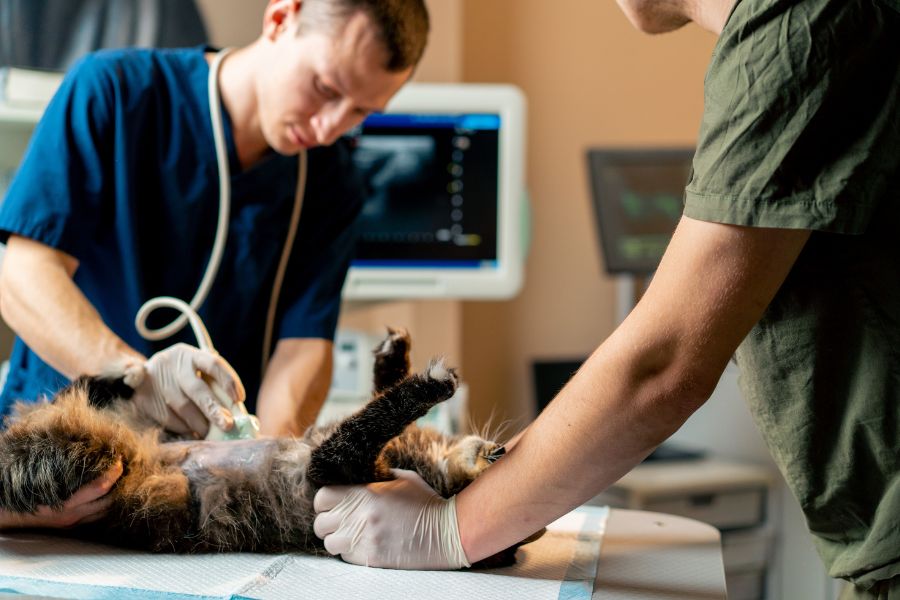
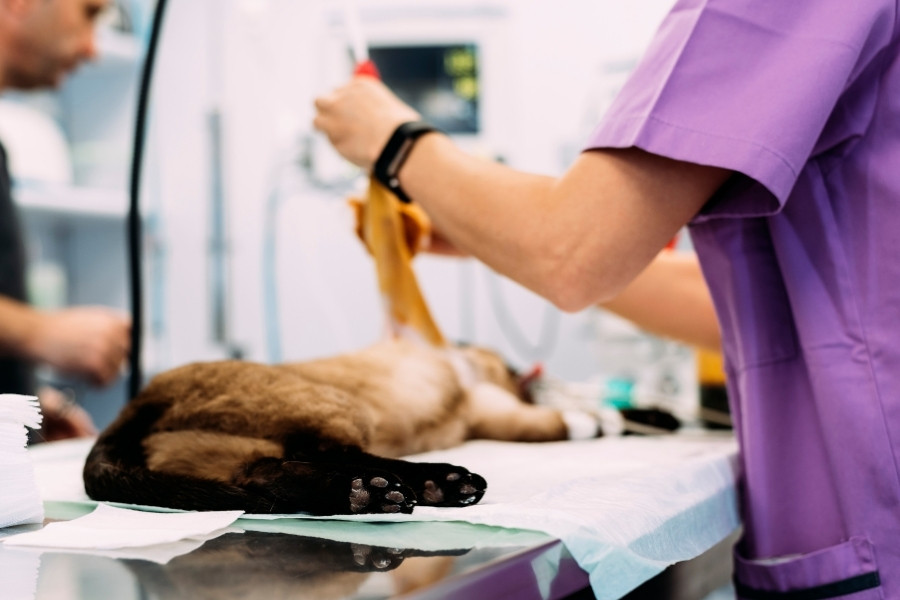
Worried your pet will be uncomfortable? Don’t be. The ECG procedure is painless and quick. Your pet lies down comfortably while a technician places small electrodes on the limbs and chest area. These electrodes are connected to the ECG machine, which records the heart’s electrical signals.
The process typically takes less than 10 minutes. Sedation is rarely needed unless the pet is particularly anxious. Once the reading is complete, the veterinarian interprets the results and discusses the findings with you.
The best part? You’ll get answers without subjecting your pet to invasive procedures.
Heartbeats and Hope: Interpreting the Results
Once the data is collected, it’s analyzed for abnormalities. A normal ECG shows a consistent rhythm with no deviations. However, if any anomalies appear—such as extra beats, missed beats, or unusual wave patterns—the vet will recommend further tests or treatment options.
In some cases, pets might be referred to a veterinary cardiologist for advanced care. Early intervention often leads to effective management, allowing your pet to live a full and comfortable life.
A routine electrocardiogram could make all the difference in how soon your pet gets the help it needs.
Why Local Expertise Matters
When it comes to diagnostic testing, location matters more than you think. Choosing a trusted veterinary clinic in your area ensures continuity of care and quick access to follow-up tests or treatments. A veterinarian offering electrocardiogram in Leesburg understands regional pet health trends, common breed-specific issues, and is part of your community.
This local connection leads to better communication, a more personalized approach, and a higher chance of spotting red flags early.
FAQs: Pet ECG and Heart Health
1. Is an electrocardiogram safe for pets?
Yes, an ECG is entirely safe, non-invasive, and doesn’t involve radiation or discomfort.
2. Do all vets offer ECG for pets?
Not all general clinics provide it on-site. Look for expert veterinary services or ask your vet for a referral in Leesburg.
3. How often should pets get an ECG?
Healthy pets don’t need frequent ECGs unless symptoms arise. However, pets with existing heart conditions should be monitored regularly.
4. Can ECG detect all heart problems?
An ECG identifies electrical abnormalities. Other diagnostics like X-rays and echocardiograms may be needed for structural issues.
5. Is the test expensive?
Costs vary but are generally affordable. Many clinics offering electrocardiogram have transparent pricing.
6. What should I do if my pet’s ECG shows a problem?
Your vet will guide you through next steps, which may include medication, dietary changes, or seeing a cardiologist.
A Lifesaving Scan: Small Test, Big Impact
Whether your pet is young, aging, or belongs to a high-risk breed, heart health should never be overlooked. With the help of modern tools like the electrocardiogram, veterinarians can diagnose and treat heart conditions early—improving quality of life and even saving lives.
Remember, pets may not speak, but their hearts tell stories that are worth listening to.