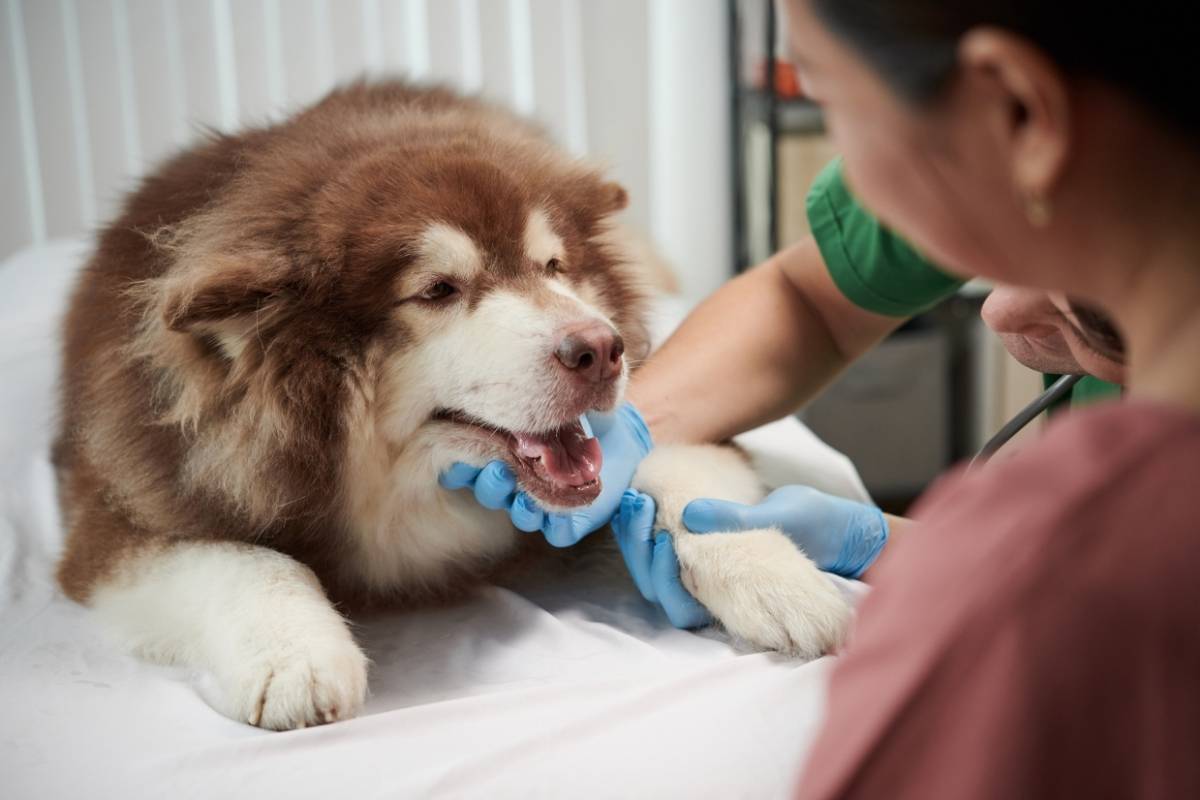



Like humans, dogs need regular dental care to maintain their health and comfort. However, many pet owners underestimate the importance of professional teeth cleaning. Dental issues in dogs don’t just cause bad breath—they can lead to painful infections, tooth loss, and even affect vital organs.
If you live near Leesburg, consulting with a qualified vet or visiting an animal hospital can ensure your dog’s oral health is thoroughly managed. This post offers expert advice on identifying when your dog needs teeth cleaning and how professional pet dentistry keeps your furry friend smiling happily.
Why Dental Health Is Vital for Your Dog’s Wellbeing
Just as in humans, dental disease in dogs starts with plaque buildup that hardens into tartar, irritating gums and leading to gingivitis. Untreated, this pain can progress to periodontal disease, allowing bacteria to enter the bloodstream and potentially harm the heart, kidneys, or liver.
Regular teeth cleaning removes plaque and tartar, preventing inflammation and promoting healthy gums. Besides preventing disease, it ensures your dog eats comfortably and maintains overall wellness.
1. Signs Your Dog Might Need a Teeth Cleaning
Sometimes dental issues develop without obvious symptoms. However, there are a few signs you can watch for at home:
-
Persistent bad breath
-
Yellow or brown buildup on teeth
-
Red or swollen gums
-
Difficulty chewing or loss of appetite
-
Excessive drooling or pawing at the mouth
-
Loose or missing teeth
If you notice any of these, it’s time to schedule an appointment with your vet or an animal hospital for a dental evaluation.
2. How Often Should Your Dog’s Teeth Be Professionally Cleaned?
Most dogs benefit from professional teeth cleaning once a year. However, factors like breed, age, diet, and genetics influence this schedule. Small breeds, for example, tend to develop tartar faster and may need more frequent cleanings.
Your trusted pet dentistry in Leesburg provider will tailor a dental care plan based on your dog’s specific needs, keeping their mouth healthy year-round.
3. What Happens During a Veterinary Teeth Cleaning?
Professional dental cleaning is more thorough and safer than at-home brushing. The procedure, performed under sedation or anesthesia, includes:
-
A complete oral examination
-
Ultrasonic scaling to remove plaque and tartar above and below the gumline
-
Polishing to smooth tooth surfaces
-
Thorough rinsing to remove debris
Additionally, your vet may take dental X-rays to evaluate roots and bone health. If any extractions or treatments are necessary, they can be performed during the same session.
4. Home Care: Supporting Your Dog’s Dental Health
While professional cleanings are critical, maintaining dental hygiene at home is just as important. Daily brushing with dog-specific toothpaste, dental chews, and oral rinses can reduce plaque buildup between vet visits.
Your vet can demonstrate proper brushing techniques and recommend the best products for your pup’s breed and age.
5. Risks of Ignoring Your Dog’s Oral Health
Neglecting teeth cleaning can lead to painful infections that affect your dog’s quality of life. Beyond mouth pain, bacteria from dental disease can enter the bloodstream and damage organs, sometimes leading to life-threatening conditions.
Therefore, investing in routine dental care at your local animal hospital in Leesburg is an essential step in your pet’s long-term health and happiness.
6. Choosing the Right Veterinary Dentist in Leesburg
Not all veterinary clinics offer comprehensive dental services. Look for a practice with board-certified dentists or trained veterinarians having expertise in pet dentistry in Leesburg.
Ask about their experience, technology used (such as digital X-rays), and pain management protocols. A caring team will ensure your dog stays comfortable before, during, and after their dental treatment.
Conclusion:
Dental care is a crucial part of your dog’s overall health. Regular professional teeth cleaning, combined with consistent home care, prevents painful disease and supports a long, happy life.
If you suspect your dog needs a cleaning, reach out to a trusted animal hospital in Leesburg or a knowledgeable vet Leesburg experienced in pet dentistry in Leesburg. Your furry friend deserves healthy teeth and fresh breath!
FAQs About Dog Teeth Cleaning
Q1. Can I clean my dog’s teeth myself?
Ans. Yes, with proper tools and toothpaste specifically made for dogs. However, professional cleanings are still necessary for deep tartar removal.
Q2. Is anesthesia safe for teeth cleaning?
Ans. Modern anesthesia protocols are very safe, especially with pre-procedure health screenings by your vet Leesburg. The benefits of thorough cleaning outweigh the risks.
Q3. How can I tell if my dog’s breath is normal?
Ans. Healthy dog breath should not have a strong foul odor. Bad breath often signals dental disease or other health issues.
Q4. What foods help promote dental health?
Ans. Certain dental diets and treats are specially formulated to reduce plaque and tartar. Consult your vet for recommendations.
Q5. Are small breeds more prone to dental disease?
Ans. Yes, small breeds like Dachshunds and Chihuahuas often have crowded teeth, leading to faster tartar buildup.
Q6. How soon after adoption should I schedule a dental checkup?
Ans. Ideally within the first few weeks. Early evaluation allows your animal hospital in Leesburg to plan any needed treatments.