


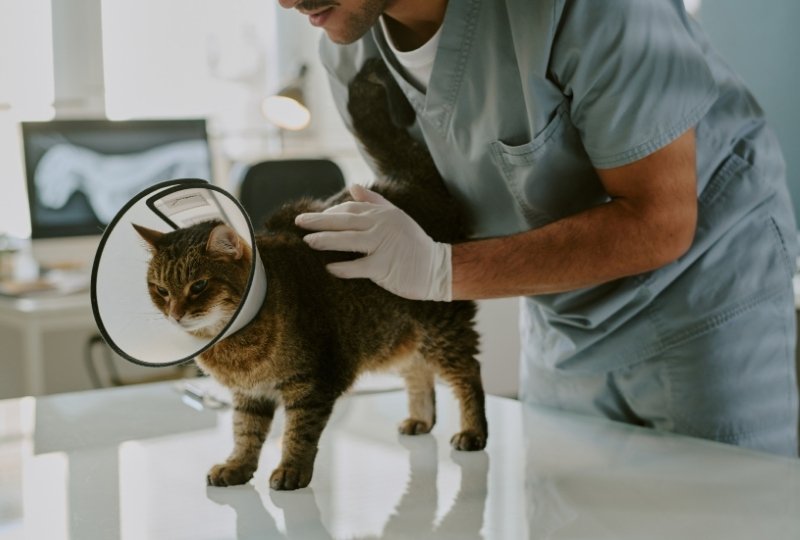
As a pet owner in Leesburg, VA, understanding common surgical procedures can help you make informed decisions about your furry friend’s healthcare. While the thought of your beloved companion needing surgery can be overwhelming, many procedures are routine and significantly help your pet stay healthier and more comfortable in the long run.
Veterinary surgery has advanced tremendously, offering safer anesthesia protocols and minimally invasive techniques. Knowing what to expect can ease your anxiety and help you prepare for your pet’s surgical journey.
Routine Spaying and Neutering Procedures
Spaying and neutering remain the most common pet surgeries performed nationwide. These procedures prevent unwanted litters while providing significant health benefits for your companion.
Spaying female pets eliminates the risk of uterine infections and reduces mammary cancer risks by up to 90% especially beneficial if completed before your pet reaches their first heat. Male neutering prevents testicular cancer and reduces prostate problems later in life.
Most veterinarians in Leesburg recommend these procedures between 4-6 months of age, though timing may vary based on the exact recovery timeline, which often depends on your pet’s size and breed, but many pets heal within two weeks with attentive aftercare.
Oral Surgeries and Dental Care for Pets
Dental disease affects over 80% of dogs and cats by age three, making dental surgery increasingly common. Professional dental cleanings require anesthesia to ensure thorough cleaning below the gum line.
Advanced dental procedures include tooth extractions, root canals, and treatment of fractured teeth. Signs your pet may need dental surgery include bad breath, difficulty eating, pawing at the face, or visible tartar buildup.
Regular dental care at home can prevent many oral health issues. However, when problems develop, prompt surgical intervention prevents pain and more serious complications.
Emergency Surgical Interventions
Emergency surgeries often catch pet owners off guard, but can be life-saving procedures. Common emergency situations include foreign object ingestion, bloat (gastric dilatation-volvulus), and traumatic injuries.
Foreign body removal frequently involves pets swallowing toys, bones, or household items that become lodged in the digestive tract. Quick intervention prevents intestinal perforation and other serious complications.
Bloat primarily affects large, deep-chested dogs and requires immediate surgical correction. Recognizing symptoms like restlessness, unsuccessful vomiting attempts, and abdominal swelling can save your pet’s life.
Orthopedic Surgery for Joint and Bone Issues
Orthopedic procedures address bone fractures, torn ligaments, and joint problems that commonly affect active pets. Cruciate ligament tears, similar to human ACL injuries, frequently require surgical repair in dogs.
Hip dysplasia, especially common in larger breeds, may require surgical intervention ranging from conservative procedures to total hip replacement. Early diagnosis through regular veterinary checkups can help determine the best treatment approach.
Fracture repair techniques vary depending on the location and severity of the break. Modern surgical methods often allow pets to return to normal activity levels with proper rehabilitation.
For comprehensive information about surgical options available in your area, you can learn more about advanced pet surgical procedures offered by experienced veterinary teams.
Soft Tissue Surgery Procedures
Soft tissue surgeries encompass a wide range of procedures involving organs, skin, and other non-bone structures. Common procedures include tumor removal, hernia repair, and gastrointestinal surgery.
Mass removal is frequently performed when lumps or bumps appear on your pet’s body. While many masses are benign, surgical removal allows for proper diagnosis and prevents potential complications.
Hernia repairs address weakened abdominal wall areas that allow internal organs to protrude. Umbilical and inguinal hernias are most common, often requiring straightforward surgical correction.
Getting Your Pet Ready for Surgery
Pre-surgical preparation significantly impacts your pet’s surgical outcome and recovery. Follow your veterinarian’s fasting instructions carefully, typically requiring no food for 8-12 hours before surgery.
Discuss any medications your pet currently takes with your veterinary team.Your veterinarian may recommend adjusting or pausing certain medications prior to surgery to ensure safety.
Create a comfortable recovery space at home with soft bedding, easy access to water, and minimal stairs or jumping opportunities. Stock up on any prescribed post-operative medications before your pet’s surgery date.
After-Surgery Recovery and Home Care
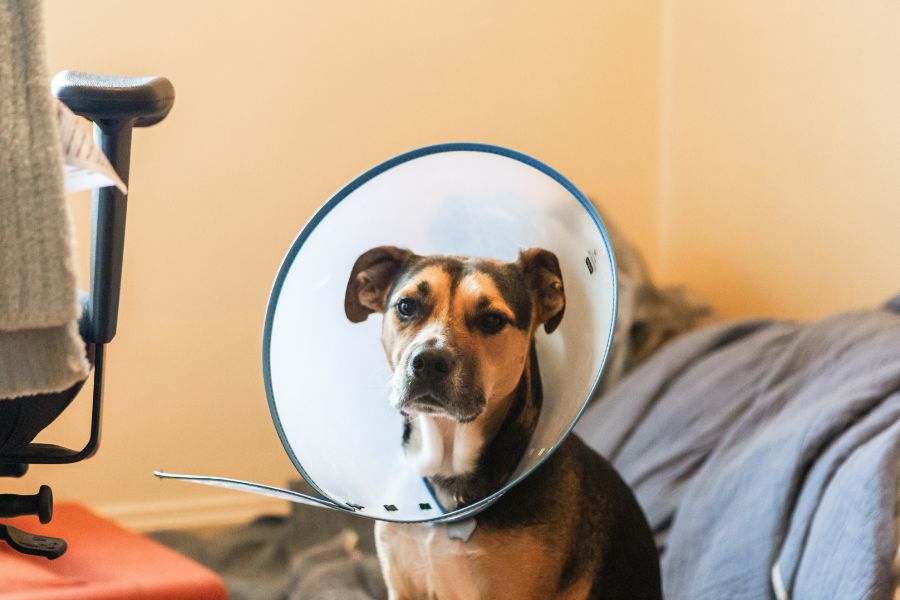
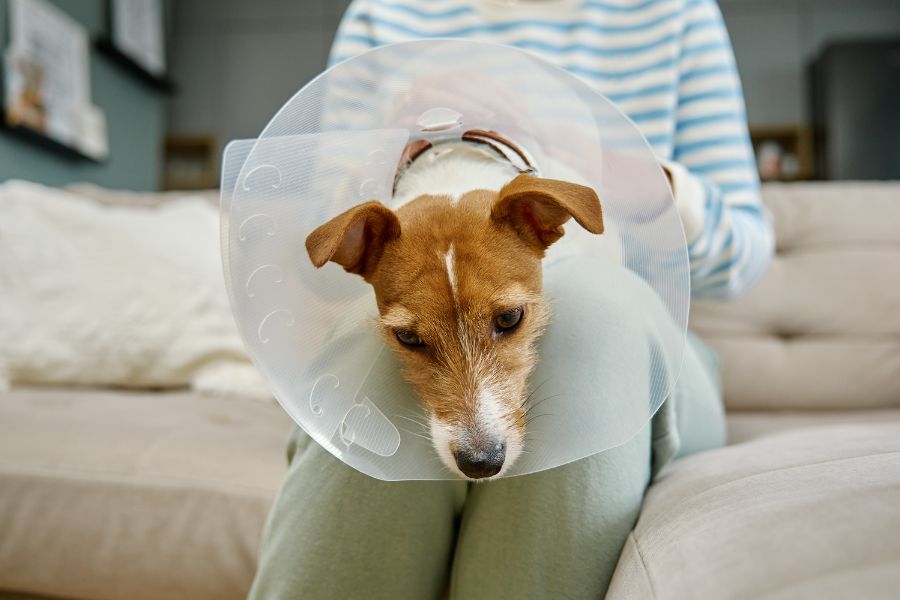
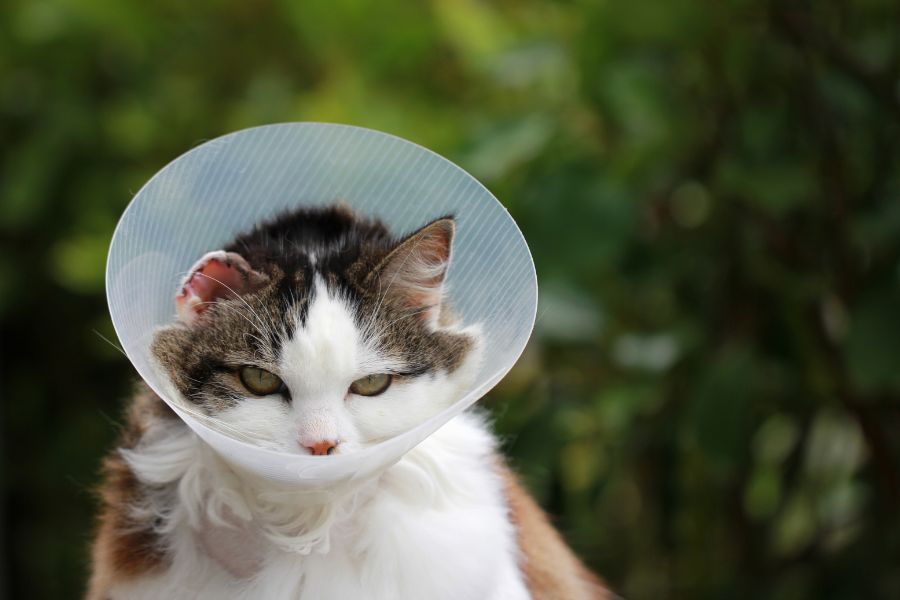
Recovery management plays a crucial role in your pet’s surgical success. Follow all post-operative instructions precisely, including activity restrictions and medication schedules.
Monitor the surgical site daily for signs of infection, including redness, swelling, discharge, or unusual odor. Reach out to your veterinary team right away if you observe anything unusual during recovery.
Most pets experience some discomfort following surgery. However, modern pain management protocols help minimize post-operative pain and promote faster healing.
Understanding common pet surgeries empowers you to make informed healthcare decisions for your companion. When surgical intervention becomes necessary, working with experienced veterinary professionals in Leesburg, VA ensures your pet receives the compassionate, professional care at every stage of the surgical process.
FAQs
Q: How long does it take for pets to recover from routine surgery?
Ans. Most pets recover from routine procedures like spaying or neutering within 10-14 days. Complete healing may take several weeks, depending on the specific procedure performed.
Q: Are there age limits for pet surgery in Leesburg, VA?
Ans. While age increases surgical risks, many older pets successfully undergo necessary procedures. Your veterinarian will assess your pet’s overall health rather than age alone when determining surgical candidacy.
Q: What should I expect regarding surgery costs?
Ans. Surgical costs vary significantly based on the procedure complexity, required anesthesia time, and post-operative care needs. Request detailed estimates and discuss payment options with your veterinary team beforehand.
Q: Can pets eat normally after surgery?
Ans. Most pets can resume normal eating within 24 hours post-surgery, though appetite may be reduced initially. Offer small, frequent meals and ensure fresh water availability throughout recovery.
Q: How can I tell if my pet is experiencing post-surgical complications?
Ans. Watch for excessive swelling, persistent vomiting, lethargy lasting more than 24 hours, or changes in the surgical site appearance. Don’t hesitate to call your vet if you have questions or notice issues after the procedure.
Q: Should I restrict my pet’s activity after surgery?
Ans. Yes, activity restriction is crucial for proper healing. Follow your veterinarian’s specific guidelines, which typically include limiting jumping, running, and strenuous play for the recommended recovery period.