


Research reveals that dental disease affects approximately four out of five dogs and seven out of ten cats before they reach their third birthday. While most pet owners diligently manage nutrition, physical activity, and coat care, oral hygiene often gets overlooked despite being fundamental to long-term wellness.
Fortunately, mastering the art of pet tooth brushing requires only dedication, appropriate equipment, and gradual conditioning. Through systematic training and regular maintenance, you can protect your companion’s mouth from disease and ensure years of comfortable eating and playful interaction.
The Importance of Pet Oral Hygiene
Neglected dental health creates consequences that extend far beyond unpleasant mouth odors. Pathogenic bacteria from periodontal disease can migrate into your pet’s circulatory system, potentially compromising essential organs such as the cardiovascular system, hepatic function, and renal health. Implementing regular oral care prevents calculus formation, periodontal inflammation, and premature tooth loss while eliminating expensive emergency dental interventions.
Furthermore, animals with properly maintained oral health demonstrate enhanced quality of life. They experience pain-free eating and express greater affection through facial contact and interactive play.
Assembling Your Dental Care Toolkit
Success begins with proper preparation and quality tools specifically designed for animal use:
- Veterinary-approved toothbrush or flexible finger sleeve
- Pet-formulated enzymatic cleaning paste (human products are dangerous)
- Gentle dental cleansing cloths for sensitive animals
- Premium reward treats for motivation
- Soft restraint blanket for nervous pets
Match your brush selection to your pet’s mouth size. Finger sleeves prove ideal for compact breeds and felines, while larger canines require standard-sized brushes with ultra-soft bristles.
Comprehensive Pet Tooth Brushing Method
Phase 1: Establish Comfort and Trust
Initialize the process by encouraging exploration of your dental tools through supervised investigation. Let your pet sample the enzymatic paste directly from your fingertip – manufacturers typically create appealing flavors resembling meat or poultry that animals find irresistible.
Gradually introduce gentle lip manipulation while providing continuous verbal encouragement and small food rewards. This conditioning phase builds acceptance for mouth contact before implementing actual cleaning procedures.
Phase 2: Introduce Brief Cleaning Sessions
During initial attempts, concentrate exclusively on anterior teeth using 10-15 second intervals. Progressively extend session length as your pet demonstrates growing tolerance and cooperation with the routine.
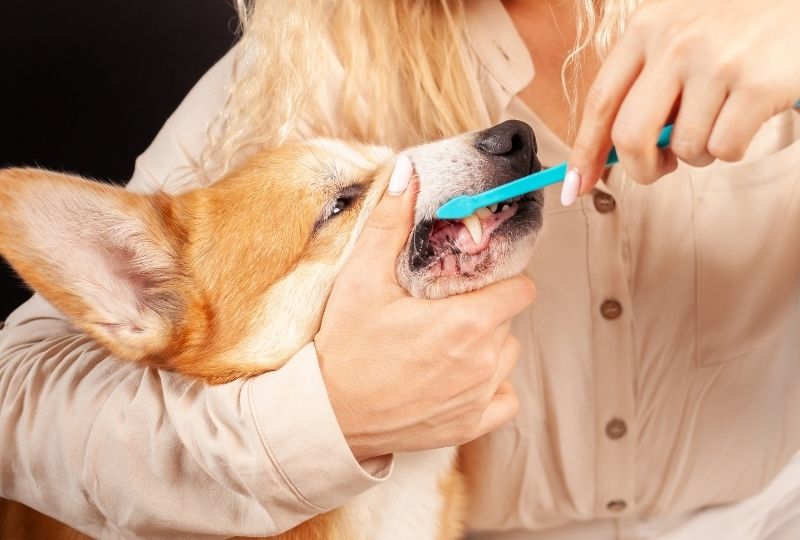
Employ soft, rotary brushing patterns along the gingival margin, emphasizing exterior tooth surfaces where bacterial accumulation typically occurs most severely.
Phase 3: Advance to Complete Oral Care
After achieving success with front tooth maintenance, carefully progress toward posterior molars, where harmful bacteria concentrate most heavily and demand thorough removal.
Address both maxillary and mandibular dental surfaces, allocating roughly 30 seconds per quadrant. Initially, focus on external areas – your pet’s natural tongue action provides adequate cleaning for interior surfaces.
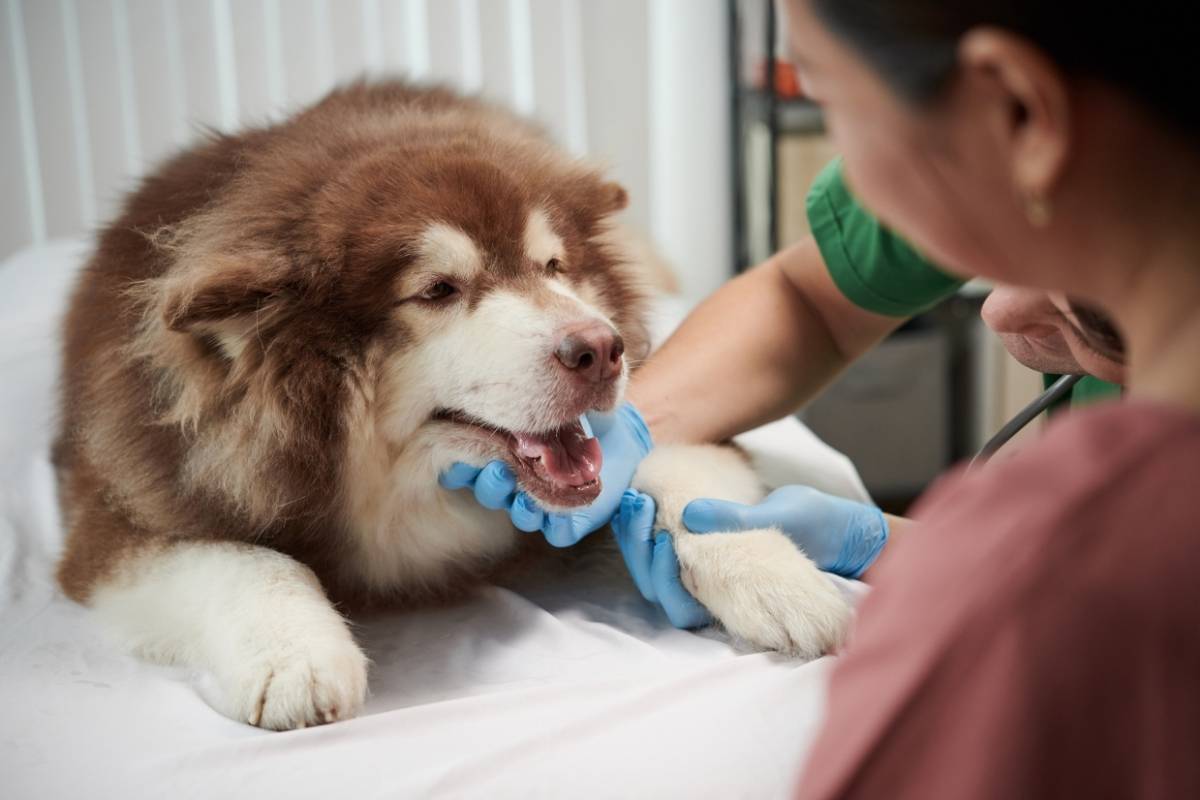
Comprehensive pet dental care from veterinary professionals enhances your home routine by addressing complex issues beyond standard brushing capabilities.
Strategies for Anxious or Resistant Animals
Certain pets require additional patience and creative approaches to accept dental maintenance. Implement these proven techniques:
Managing nervous canines: Schedule sessions immediately following physical exercise when natural endorphins promote relaxation. For smaller breeds, employ gentle towel wrapping techniques that provide security without restriction.
Addressing feline resistance: Time sessions during periods of natural calmness, such as post-meal contentment or after interactive play. Explore alternative products like enzyme-enhanced water supplements while building brushing tolerance.
Universal approaches: Avoid forced compliance under any circumstances. When stress levels escalate, discontinue the session and resume later using higher-value motivational rewards.
Frequent Training Errors That Hinder Progress
Well-meaning pet owners often commit these counterproductive mistakes:
- Utilizing human dental products containing toxic artificial sweeteners
- Applying excessive pressure or extending initial sessions too long
- Attempting dental care during existing stress or excitement
- Maintaining irregular schedules that prevent habit development
- Abandoning efforts prematurely when encountering natural resistance
Understanding that routine establishment requires weeks of consistent practice helps maintain realistic expectations and long-term success.
Building Sustainable Daily Habits
Regular practice outweighs perfect technique when developing effective oral hygiene routines. Strive for daily maintenance while accepting occasional missed sessions without guilt. Even alternate-day cleaning provides substantial health advantages compared to complete neglect.
Establish consistent timing to help your pet anticipate and mentally prepare for dental care. Many successful owners schedule brushing immediately before evening meals, transforming dinner into powerful positive reinforcement.
Supplement home care with veterinarian-approved chewing materials and professional cleanings. Explore additional preventive measures like puppy vaccination schedules that support comprehensive health management.
Professional Intervention Warning Signs
Although consistent home maintenance prevents most oral health issues, monitor these indicators that require veterinary assessment:
- Chronic halitosis persists despite regular cleaning
- Visible calculus deposits appearing yellow or brown along gum borders
- Inflamed, enlarged, or hemorrhaging gingival tissues
- Asymmetric chewing patterns or eating difficulties
- Mobile or absent teeth
Prompt professional intervention prevents minor complications from progressing to painful, costly conditions requiring surgical correction.
Frequently Asked Questions
Q1. How frequently should I clean my pet’s teeth?
Ans. Daily brushing represents the optimal standard for preventing dental disease. However, maintaining a schedule of three to four sessions weekly still delivers excellent protective benefits and significantly surpasses complete avoidance of oral care.
Q2. Is human toothpaste safe for animals?
Ans. Human dental products contain xylitol and fluoride compounds that prove extremely dangerous to pets and can cause severe poisoning. Exclusively select enzyme-based formulations created specifically for canine and feline physiology and preferences.
Q3. When should I begin dental care with my new puppy?
Ans. Introduce oral hygiene concepts around three to four months of age, allowing adequate time for environmental adaptation. Begin with gentle mouth conditioning exercises before transitioning to active brushing as permanent teeth develop.
Q4. How can I help my reluctant cat accept tooth brushing?
Ans. Experiment with enzyme-enhanced drinking water, dental treats, or ultra-soft finger brushes that feel less invasive. Many felines eventually accept the routine through persistent, gentle conditioning combined with exceptional food rewards.
Q5. What symptoms indicate my pet is experiencing dental discomfort?
Ans. Observable signs include asymmetric eating patterns, facial pawing behaviors, increased salivation, food dropping during meals, or decreased interest in chew toys. These behaviors warrant immediate veterinary evaluation.
Q6. Can dental chewing products replace regular brushing?
Ans. Quality dental chews provide valuable mechanical plaque removal, but cannot match the thoroughness achieved through direct brushing techniques. Consider approved chewing products as beneficial supplements to your primary oral care routine rather than complete substitutes.