Your pet may happily eat every meal while hiding signs of dental discomfort. Dogs and cats often continue their normal routines even when their teeth or gums are painful, which makes regular mouth checks especially important. Bad breath, red gums, difficulty chewing, or dropping food may be easy to dismiss, but these changes can point to an underlying dental problem. At North Oatlands Animal Hospital in Leesburg, VA, veterinarians recognize that good pet dental health is an important part of whole-body preventive care. Knowing the most common dental problems can help you spot changes earlier and understand when your pet may need a professional evaluation.
What Are the Most Common Dental Problems in Pets?
Common dental problems include plaque buildup, tartar, gum inflammation, periodontal disease, damaged teeth, oral infections, and other conditions affecting the mouth. Some begin with minor changes that are difficult to notice, while others can cause significant pain or interfere with eating.
Here are 10 dental problems every pet owner should know about:
| Dental Problem | Common Signs | Why It Matters |
| 1. Plaque buildup | Sticky film on teeth, bad breath | Can contribute to tartar and gum disease |
| 2. Tartar | Hard yellow or brown deposits | Can irritate gums |
| 3. Gingivitis | Red, swollen, or bleeding gums | May progress if untreated |
| 4. Periodontal disease | Bad breath, gum recession, loose teeth | Can cause pain and tooth loss |
| 5. Broken teeth | Chewing changes, mouth sensitivity | May expose sensitive inner tooth structures |
| 6. Tooth root problems | Pain, swelling, reduced appetite | Can lead to infection |
| 7. Retained baby teeth | Crowding or overlapping teeth | Can trap food and bacteria |
| 8. Oral growths | Lump, swelling, bleeding | Require veterinary evaluation |
| 9. Tooth resorption | Pain, chewing changes, drooling | Particularly common in cats |
| 10. Oral infections | Swelling, odor, discharge, pain | May require prompt treatment |
Not every bad breath episode means your pet has serious dental disease. However, persistent changes should not be ignored.
1. Plaque Buildup
Plaque is a soft film of bacteria that can accumulate on the surface of teeth. When plaque is not removed, it can harden into tartar and contribute to inflammation around the gums.
Early plaque may be difficult to see, but bad breath can sometimes be an early clue.
Signs to Watch For
- Persistent bad breath
- A sticky-looking coating on teeth
- Mild gum redness
- Changes in chewing
- Less interest in hard food
Regular home dental care can help reduce plaque, but it does not replace professional veterinary examinations.
2. Tartar
Tartar forms when plaque hardens on the teeth. It often appears as yellow, brown, or darker material along the gumline.
Once hardened, tartar cannot simply be brushed away with a toothbrush. Professional dental cleaning may be needed to remove accumulated deposits safely.
| Plaque | Tartar |
| Soft bacterial film | Hardened buildup |
| Can develop quickly | Forms when plaque mineralizes |
| Home care can help control it | Often requires professional cleaning |
| May not be obvious | Usually easier to see |
Ignoring tartar can allow bacteria and inflammation to continue affecting the gums.
3. Gingivitis
Gingivitis is inflammation of the gums. The gums may appear red, swollen, or more sensitive than normal.
It can develop when plaque and bacteria remain around the gumline. Early attention is important because ongoing inflammation can contribute to more advanced periodontal disease.
Look for:
- Red gums
- Swollen gum tissue
- Bleeding around the gums
- Bad breath
- Sensitivity when the mouth is touched
- Changes in eating behavior
If your pet’s gums regularly bleed or look inflamed, schedule a veterinary evaluation.
4. Periodontal Disease
Periodontal disease affects the tissues supporting the teeth. As the condition progresses, inflammation can damage the structures around the teeth and eventually lead to loose or missing teeth.
Some pets show very few obvious signs despite having significant disease.
Possible Warning Signs
- Persistent bad breath
- Red or bleeding gums
- Receding gums
- Loose teeth
- Difficulty chewing
- Dropping food
- Excessive drooling
- Reduced appetite
- Swelling around the mouth
Periodontal disease is one reason routine oral examinations are so important.
5. Broken or Fractured Teeth
Pets can break teeth while chewing hard objects, playing, or experiencing trauma. A fractured tooth may expose sensitive internal structures and become painful.
A pet may not cry or stop eating even when a tooth is damaged.
Contact your veterinarian in Leesburg if you notice:
- A visibly broken tooth
- Blood around the mouth
- Chewing on one side
- Dropping food
- Pawing at the mouth
- Sudden reluctance to chew
- Facial swelling
Avoid giving your pet extremely hard objects that could damage the teeth.
6. Tooth Root Problems
Problems beneath the visible surface of a tooth can be difficult for owners to recognize. Infection or inflammation around a tooth root may cause pain, swelling, or changes in appetite.
A pet may also develop swelling beneath the eye or along the face depending on which tooth is affected.
Veterinary dental evaluation can help determine whether the problem involves the tooth itself, the surrounding tissues, or another structure.
7. Retained Baby Teeth
Puppies and kittens normally lose their baby teeth as their adult teeth develop. Sometimes a baby tooth remains instead of falling out.
This can create crowding and narrow spaces where food and bacteria become trapped.
| What You May Notice | Why It Matters |
| Two teeth occupying one area | May indicate a retained baby tooth |
| Crowding | Can make cleaning difficult |
| Food trapped between teeth | Encourages plaque accumulation |
| Abnormal tooth position | May affect comfort or normal bite |
Your veterinarian can determine whether a retained tooth needs treatment.
8. Oral Growths
Not every lump inside the mouth is cancer, but any new oral growth should be evaluated by a veterinarian.
Owners may notice a bump on the gums, tongue, lips, or other areas of the mouth. Some growths may bleed, become irritated, or interfere with eating.
Contact Your Veterinarian If You Notice:
- A new lump or mass
- Bleeding from the mouth
- Facial swelling
- Difficulty eating
- Excessive drooling
- A change in the appearance of the gums
- Persistent bad breath associated with an unusual mouth lesion
Do not assume that a painless growth is harmless simply because your pet is still eating normally.
9. Tooth Resorption
Tooth resorption is a painful dental condition in which the structure of a tooth is gradually broken down. It is particularly common in cats.
The problem can be difficult to see because affected areas may occur below the gumline or in parts of the tooth that are not easy for an owner to inspect.
Cats may show subtle signs such as:
- Dropping food
- Chewing differently
- Eating more slowly
- Drooling
- Turning away from food
- Pawing at the mouth
- Becoming irritable when the face is touched
A cat with dental pain may continue eating, so normal appetite does not necessarily mean the mouth is comfortable.
10. Oral Infections
An oral infection can develop around damaged teeth, gums, or other tissues. Signs can include swelling, bad breath, discharge, pain, or reduced appetite.
Some infections can become more serious if they are left untreated.
Seek veterinary attention if your pet develops:
| Warning Sign | Why It Matters |
| Facial swelling | May indicate infection or another underlying problem |
| Pus or discharge | Can indicate infection |
| Significant mouth pain | May require treatment |
| Refusal to eat | Dental pain or illness may be interfering with eating |
| Fever or marked lethargy | May indicate a more significant illness |
| Sudden severe bad breath | Can accompany oral disease |
Prompt evaluation can help identify the source of the infection and determine appropriate treatment.
How Can I Tell If My Pet Has Dental Disease?
Pets often hide oral pain, so owners need to look for subtle changes. Bad breath is one of the most common clues, but it is not the only one.
Watch your pet for:
- Bad breath that does not go away
- Red or swollen gums
- Bleeding from the mouth
- Drooling
- Difficulty chewing
- Dropping food
- Eating more slowly
- Chewing on one side
- Pawing at the mouth
- Facial swelling
- Changes in appetite
- Reluctance to have the face touched
A sudden change in eating behavior deserves attention, especially when it occurs alongside mouth-related symptoms.
What Does a Veterinary Dental Examination Involve?
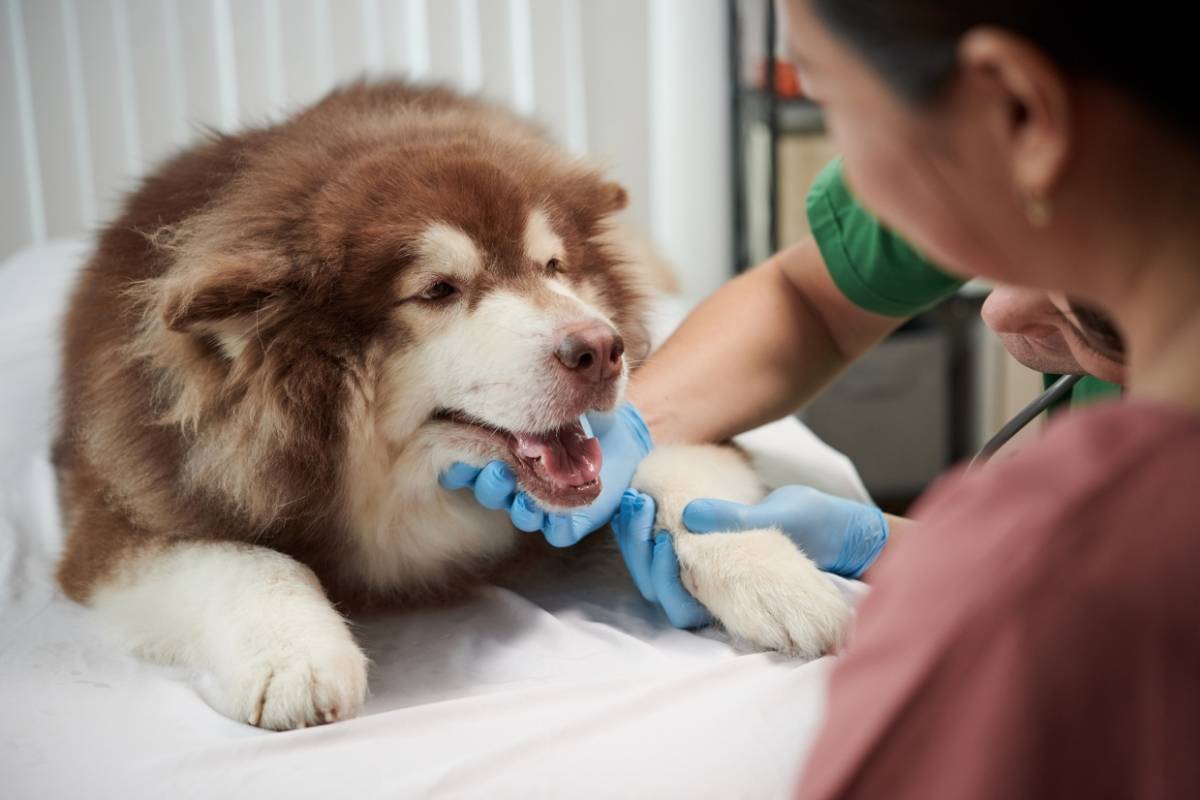
A pet dental examination begins with an assessment of your pet’s mouth and overall health. Your veterinarian looks at the teeth, gums, tongue, and other visible structures for signs of disease.
Depending on what is found, additional dental diagnostics or professional cleaning may be recommended.
A veterinary dental evaluation may involve:
- Examination of visible teeth and gums
- Assessment for plaque and tartar
- Checking for damaged or loose teeth
- Looking for abnormal growths or swelling
- Evaluating areas of pain or inflammation
- Dental imaging when appropriate
- Discussing a home dental-care plan
A complete evaluation helps determine whether a problem is limited to the visible surface or involves deeper structures.
A Hypothetical Case Example
A seven-year-old dog comes in for a routine examination even though the owner has noticed only mild bad breath. During the oral examination, the veterinarian finds significant tartar and inflamed gums around several teeth. Further evaluation identifies areas requiring professional dental treatment, allowing the owner to address the problem before more serious discomfort develops.
This example shows why dental disease can be easy to miss at home. A pet may continue eating and playing despite having significant changes in the mouth.
How Can You Support Your Pet’s Dental Health at Home?
Home care is an important part of maintaining a healthy mouth. Your veterinarian can recommend dental products and routines appropriate for your pet.
Helpful habits include:
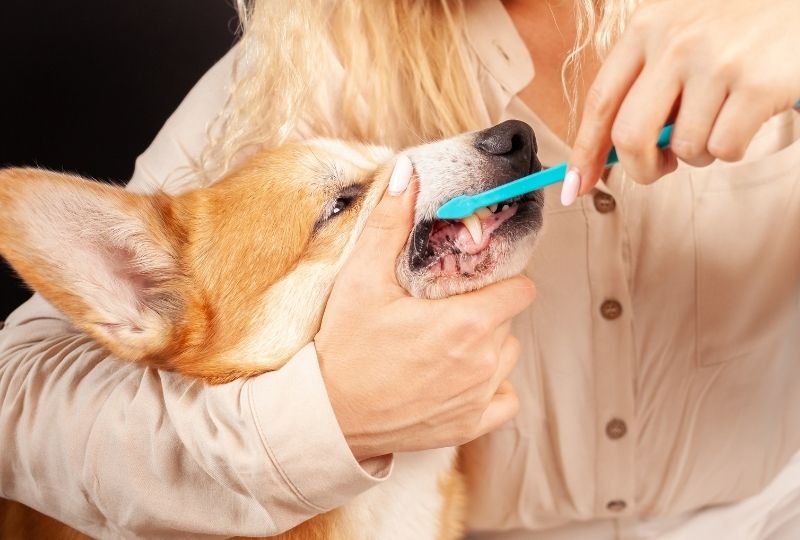
- Brush your pet’s teeth regularly when tolerated.
- Use pet-specific dental products rather than human toothpaste.
- Offer veterinarian-recommended dental products when appropriate.
- Check your pet’s mouth regularly for changes.
- Avoid extremely hard objects that can fracture teeth.
- Monitor bad breath and chewing behavior.
- Keep routine veterinary examinations.
Start dental care gradually. Some pets need time to become comfortable with having their mouths handled.
When Should I Take My Pet to the Vet for a Dental Problem?
A veterinary appointment is appropriate when you notice persistent bad breath, gum inflammation, changes in chewing, damaged teeth, or other signs of oral discomfort.
Seek prompt veterinary care if your pet has:
- Significant facial swelling
- Active bleeding from the mouth
- Severe mouth pain
- Difficulty eating or swallowing
- Refusal to eat
- A visibly damaged tooth
- A new oral growth
- Severe lethargy alongside mouth symptoms
Dental Signs That Should Not Be Ignored
| Symptom | Recommended Action |
| Mild occasional bad breath | Mention it at the next visit |
| Persistent bad breath | Schedule a dental evaluation |
| Red or bleeding gums | Arrange veterinary care |
| Difficulty chewing | Schedule an examination |
| Broken tooth | Contact your veterinarian promptly |
| Facial swelling | Seek prompt veterinary care |
| Refusal to eat with mouth pain | Seek prompt veterinary attention |
Conclusion
Good pet dental health is about more than keeping your pet’s teeth looking clean. Plaque, tartar, gingivitis, periodontal disease, broken teeth, tooth root problems, retained baby teeth, oral growths, tooth resorption, and infections can all affect your pet’s comfort and well-being. Because animals often hide dental pain, small changes in breath, chewing, eating, or behavior can be important clues.
North Oatlands Animal Hospital in Leesburg, VA can help assess your pet’s oral health and determine whether professional dental care is needed. Checking your pet’s mouth regularly, supporting appropriate home care, and scheduling veterinary examinations can help identify problems earlier. If you notice persistent bad breath, inflamed gums, difficulty eating, facial swelling, or another unusual change, contact your veterinarian rather than waiting for the problem to worsen.
FAQs
Q1: What are the most common dental problems in pets?
A: Common problems include plaque, tartar, gingivitis, periodontal disease, broken teeth, tooth root problems, retained baby teeth, oral growths, tooth resorption, and oral infections. Dogs and cats can develop different dental problems depending on their age and individual health.
Q2: How can I tell if my pet has dental disease?
A: Bad breath, red or bleeding gums, drooling, difficulty chewing, dropping food, pawing at the mouth, and facial swelling can all be warning signs. Some pets show very subtle symptoms, so routine oral examinations are important.
Q3: Can dental disease cause pain even if my pet is still eating?
A: Yes. Pets can continue eating despite dental pain, particularly when problems develop gradually. Changes such as chewing more slowly, dropping food, or chewing on one side may provide clues that something is wrong.
Q4: How often should my pet have a dental examination?
A: The appropriate schedule depends on your pet’s age, species, dental health, and individual risk factors. Your veterinarian can recommend how frequently your pet’s mouth should be examined and whether professional dental care is appropriate.
Q5: When should I take my pet to the vet for a dental problem?
A: Contact your veterinarian for persistent bad breath, gum inflammation, chewing changes, damaged teeth, or other ongoing oral concerns. Facial swelling, significant mouth pain, bleeding, difficulty eating, or refusal to eat should be evaluated promptly.